Banana Leaf Travel contains affiliate links. If you book through them, I may earn a small commission at no extra cost to you. I only recommend services I personally use and trust.
Thailand for First-Time Travellers: Practical Safety Tips for Visiting Southern Thailand
Is Southern Thailand safe for a self-guided adventure? Short answer: Yes.
I spent a month travelling there and the ‘safety concerns’ I read about online vanished on day one.
From kayaking remote islands to hiking in the jungle, all the activities are perfectly safe and easy to navigate on your own.
To help you skip the stress, I’ve put together this guide based on my personal experience with everything from monsoon weather to ethical animal engagement.
Here is the practical, no-fluff advice you need to navigate the Southern Thailand
Tl;dr Summary
CATEGORY
SAFETY TIPS
Physical Safety
• Follow monsoon warnings and red flags at the beach. • Wear helmets on the roads and covered shoes in the jungle. • Use life jackets and dry bags on all boat trips. • If bitten by a dog or monkey, get a rabies shot at a local clinic immediately.
Eating & Drinking
• Drink bottled water only (avoid tap water even for brushing teeth). • Choose cooked food and busy stalls to ensure freshness. • Carry “remedy” meds (antacids/anti-diarrheals) for spice sensitivity. • Stay out of the midday sun and drink fluids to prevent heat exhaustion.
Cultural Respect
• Dress modestly (shoulders/knees covered) at temples and in local villages. • Never disrespect the currency or Royal Family (don’t step on money). • Avoid exploitative “ping pong” shows or unethical animal attractions. • Keep beachwear for the beach; dress appropriately for hotel breakfasts.
Smart Traveling
• Use ride-share apps like Grab or InDriver to avoid taxi scams. • Negotiate prices with a smile and agree on fares before the ride. • Use ATMs inside banks to avoid skimmers and minimize fees. • Stick to busy areas when partying and always keep an eye on your drink. • Use an eSIM or local SIM to stay connected for navigation and help.
Before traveling, it’s helpful to understand how the region is structured. This Southern Thailand travel guide covers the main islands and travel tips.
21 Safety Tips for Traveling in Southern Thailand
1. Swimming During the Off-Season
Thailand is a tropical country that is hot all year round.
When visiting, travellers need to consider whether it’s the monsoon or dry season.
The high season on the Andaman Coast (west) runs from November to April.
If you plan to visit the Gulf of Thailand (east coast), the best time for a beach holiday will be from June to October.
During the high season, waters are typically calm, and you won’t experience much rain.
This is the perfect time to visit Southern Thailand, as all the hotels, bars, and restaurants will be open, and tourist spots will be lively.
However, many people decide to visit Thailand’s coasts during the off-season, as it can be cheaper and much quieter.
That being said, monsoon season might be a more challenging and less safe time to visit Thailand’s popular spots like Koh Lanta, Krabi or Koh Phi Phi.
During monsoon season always check conditions and only swim when the water is calm:
Watch for Warning Signs – Beaches post red flags to indicate dangerous swimming conditions. Be aware of these signs and avoid swimming in rough waters.
Choose Sheltered Beaches – Some smaller beaches are more protected from strong waves and wind than wider, more exposed beaches. Explore different beaches to find the safest spot.
Avoid Swimming Alone – During rough seas, it’s safest to swim in areas with other swimmers nearby or, preferably, with lifeguards.
Be Mindful of Pollution – The monsoon season also brings debris and plastic waste from surrounding regions, making swimming less appealing and sometimes dangerous.
2. Jellyfish
Jellyfish can occasionally be found in Thai waters, floating unpredictably in the sea.
Their stings are painful and can require immediate attention, so avoid swimming in areas known to have jellyfish.
To stay safe in the water:
Check for Jellyfish Warnings – Some beaches post warnings if jellyfish are present. Always heed these signs and avoid swimming in affected areas.
Use Vinegar as First Aid – If you get stung, seek immediate help and use vinegar for relief. Many local beach shops keep vinegar on hand to treat stings.
3. Sand Fleas on Beaches
Sand fleas, or sand flies, are common on many of Thailand’s beaches, particularly at dawn and dusk.
These tiny insects can leave unpleasant, itchy bites that last for days.
To ensure you can enjoy the beach without discomfort, take some precautions:
Sit on a Towel or Beach Mat – Avoid sitting directly on the sand, especially during high-risk times when sand fleas are most active.
Use Insect Repellent – Apply bug spray to your legs and ankles to keep sand fleas away.
Limit Beach Time at Dawn and Dusk – Sand fleas are most active during these hours, so try to avoid sitting on the sand if possible.
4. Speedboats and Rough Seas
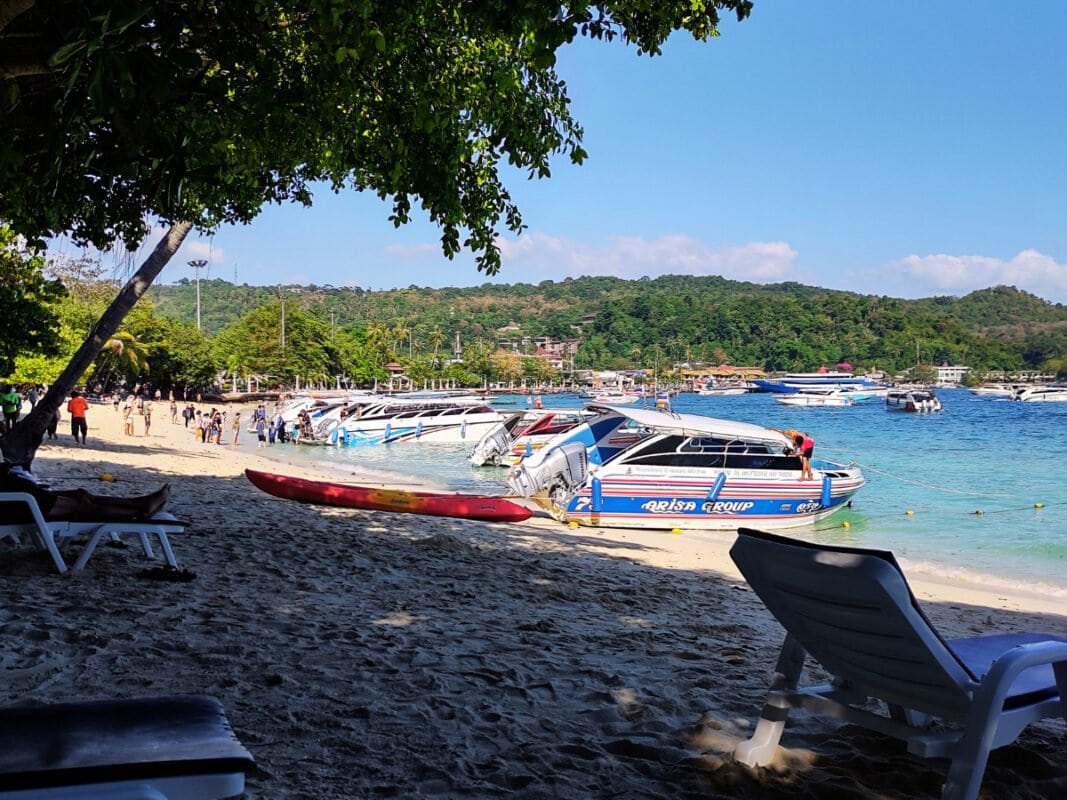
Island hopping is one of the most popular activities in Southern Thailand, and speedboats are a fast way to travel between destinations.
However, these rides can be bumpy, even when seas seem to be calm (I experienced very rough ride on a day trip to Maya Bay)
To prepare for the boat ride:
Bring Motion Sickness Medicine – If you’re prone to seasickness, take medication before your trip to avoid discomfort.
Wear a Life Jacket – Life jackets are provided on all speedboats. Although you might not be required to wear one, it’s always best to do so for safety.
Use a Dry Bag – To protect your valuables, place them in a dry bag or a waterproof plastic bag that can be worn around your neck. These items are easily available for purchase in Thailand.
Choose a Ferry – For a smoother and more comfortable experience, consider taking a ferry. While ferries are slower than speedboats, they offer a more stable ride
5. Heat and Sun
Thailand’s tropical climate can be quite intense, especially during the dry season.
Travellers unused to heat and humidity might have a hard time getting used to the tropical weather.
Be careful, as overexposure can lead to dehydration or even heatstroke.
Always remember to:
Stay Hydrated – Drink plenty of bottled water and try fresh coconut water or other delicious drinks and fruit served on Thai beaches.
Wear Sunscreen and a Hat – Apply sunscreen regularly and wear a hat when walking outside during the day.
Plan for Early or Late Activities – If possible, avoid strenuous activities like hiking around midday. Mornings and late afternoons are cooler and more comfortable for climbing steep stairs or visiting a jungle.
Wear Flowy, Breathable Clothes – To stay comfortable and minimise sweating, wear quick-drying, loose-fitting clothes
6. Drinking Water
Tap water is unsafe for drinking in Thailand.
Even boiling it won’t remove all contaminants, so it’s best to stick to bottled or filtered water.
To stay safe:
Use Bottled Water for Everything – Use bottled water for drinking, cooking, and even brushing your teeth to avoid potential health issues.
Avoid Ice in Rural Areas – While ice is generally safe in tourist hubs (I never had any issues), it may not be filtered in more remote destinations.
Bring a Portable Water Filter – If you’re eco-conscious and want to reduce plastic waste, bring a portable filter or purifier bottle.
7. Thai Cuisines and Street Food
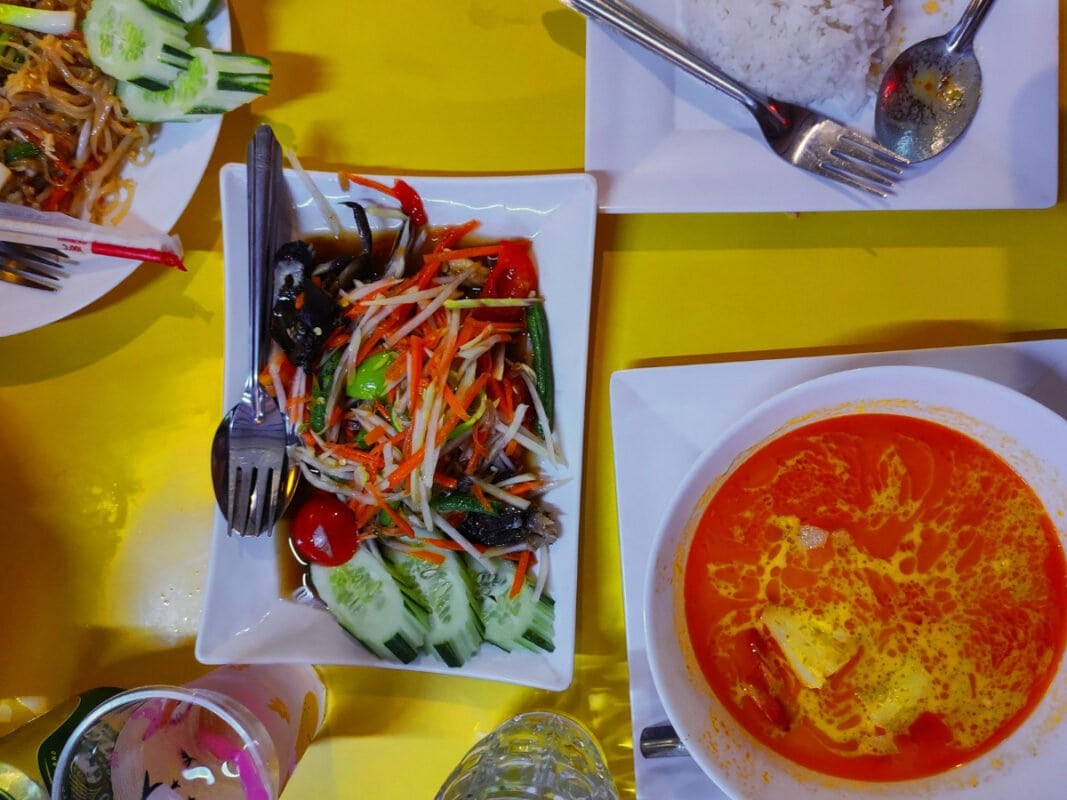
Trying local food is one of the highlights of visiting Thailand, so don’t be afraid to explore!
Thai food is world-famous but can be quite spicy or prepared with unfamiliar ingredients.
Take some basic precautions to fully enjoy Thai cuisine –
Choose Busy Food Stalls – Popular stalls with high turnover are usually safer, as the food there is fresher.
Start Slowly with Spice – Thai food can be very spicy. If you’re not accustomed to it, start with milder dishes like green curry or pad Thai and gradually build your tolerance.
Eat Cooked Foods Over Raw – Stick to fried, steamed, or grilled dishes, especially when trying new foods.
Limit Meat – While I have never experienced food poisoning in Thailand, I am not a meat eater. You don’t have to go vegetarian, but keep in mind that meat can spoil more easily and may cause stomach issues for some tourists. Consider trying dishes with tofu or vegetables for variety.
Eat Fish by the Sea – If you are visiting southern Thai islands, you’ll have the opportunity to try fresh seafood and fish. Many restaurants serve daily-caught fish, making it easy to enjoy delicious, fresh meals.
Bring Medication – Anti-diarrhea and antacid medicines can be helpful if you’re sensitive to spicy or new foods
8. Driving Culture
Thailand’s traffic can be chaotic, especially in larger cities.
Travelers planning to rent a vehicle should also read this guide to driving in Thailand for tourists, which explains license requirements, road rules, and common mistakes visitors make.
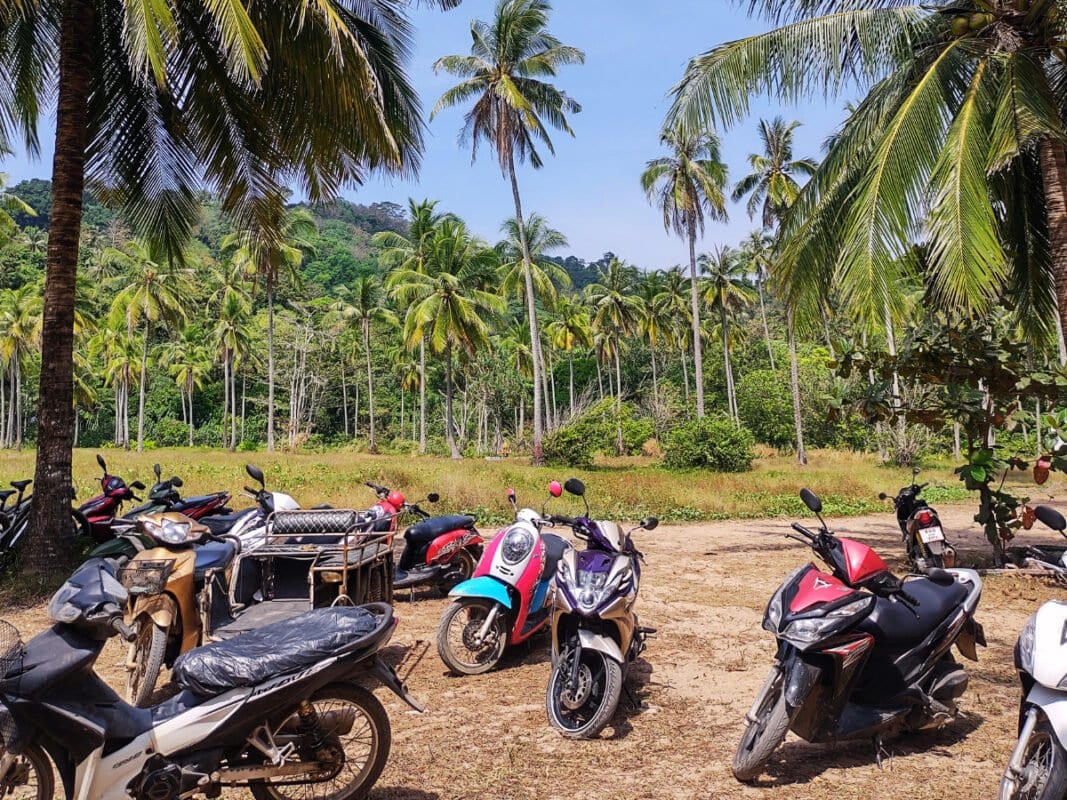
Renting a scooter is a popular way to explore the country independently, but there are important safety tips to follow:
Choose Busy Food Stalls – Popular stalls with high turnover are usually safer, as the food there is fresher.
Start Slowly with Spice – Thai food can be very spicy. If you’re not accustomed to it, start with milder dishes like green curry or pad Thai and gradually build your tolerance.
Eat Cooked Foods Over Raw – Stick to fried, steamed, or grilled dishes, especially when trying new foods.
Limit Meat – While I have never experienced food poisoning in Thailand, I am not a meat eater. You don’t have to go vegetarian, but keep in mind that meat can spoil more easily and may cause stomach issues for some tourists. Consider trying dishes with tofu or vegetables for variety.
Eat Fish by the Sea – If you are visiting southern Thai islands, you’ll have the opportunity to try fresh seafood and fish. Many restaurants serve daily-caught fish, making it easy to enjoy delicious, fresh meals.
Bring Medication – Anti-diarrhea and antacid medicines can be helpful if you’re sensitive to spicy or new foods
Thailand has a rich cultural heritage, and respecting local customs is essential to avoid misunderstandings.
Respect for the monarchy is deeply ingrained in Thai culture, and strict laws prohibit any form of disrespect toward the royal family.
Respect Thai Currency (Baht) – The Thai baht features the king’s image, so avoid stepping on or crumpling it. Disrespecting the currency is viewed as disrespecting the monarchy.
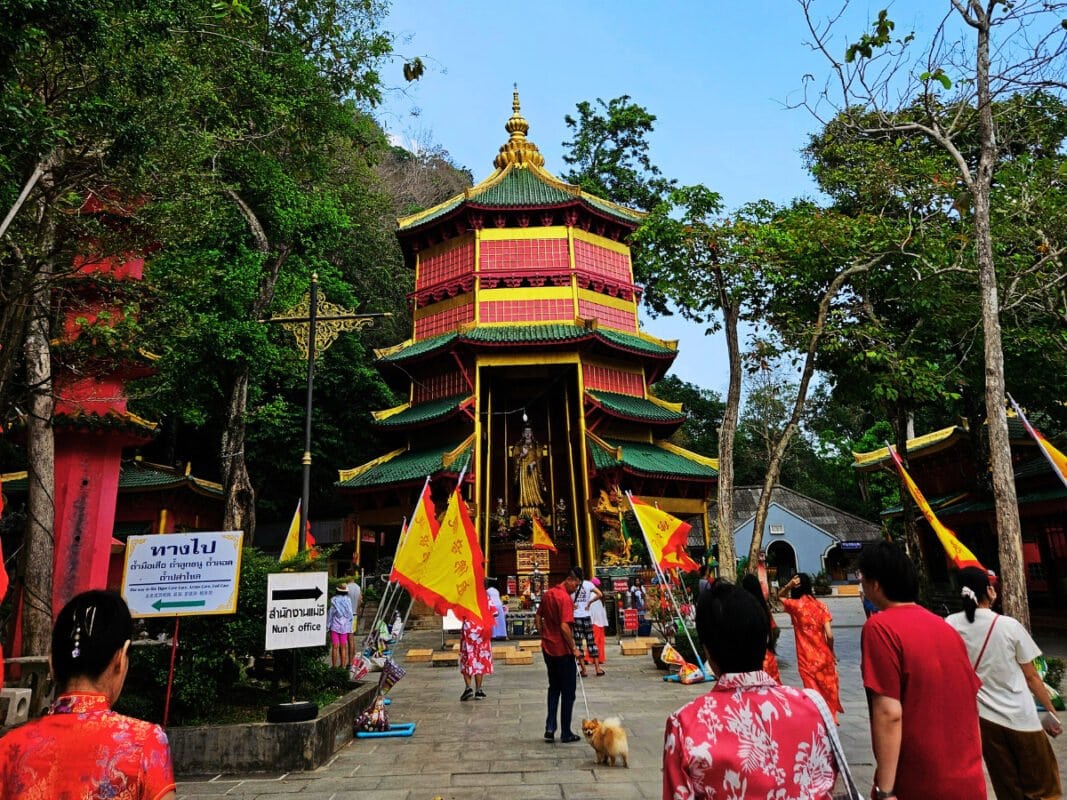
Dress Modestly at Temples and Sacred Sites – When visiting temples, covering your shoulders and knees is respectful and often required. If you don’t wear appropriate clothing, you might be denied entry.
10. Dress Code and Modesty
While Thailand’s beach resorts are accustomed to Western tourists, dressing modestly when away from the beach or in less touristy areas is important.
Southern Thailand, in particular, has a significant Muslim population, and locals often dress modestly.
Being mindful of your attire shows respect for Thai culture and traditions.
Cover Up When Visiting Temples – For both men and women, covering shoulders and knees is not just respectful but often mandatory. Without appropriate attire, entry to temples might be prohibited.
Avoid Walking Around Town in Beachwear – Swimsuits and bikinis should be kept for the beach or pool areas. As a general guideline, dress as you would in your home country.
Although the Thai climate is hot, wearing overly revealing clothing, like a thong bikini, to places like hotel breakfasts can be uncomfortable for other guests (like me) and staff.
Observe Local Dress Codes – Many popular sites have posted dress codes, especially temples and government buildings.
If you sign up for activities such as cooking classes or visiting an elephant sanctuary, read the rules and guidelines specific to the venue to ensure your attire aligns with local expectations.
11. Stray Dogs
Stray dogs are a common sight in Thailand, particularly around markets and restaurants.
While most are friendly, some may react unpredictably.
Feeding Strays – Thai dogs are often found near food sources, and feeding them can lead to unwanted attention. There’s nothing wrong with feeding hungry animals, but be aware that some restaurants may not be pleased if you start sharing your food with a nearby dog or cat.
Walk Calmly – If approached, avoid sudden movements or direct eye contact with the dog.
Seek Medical Attention if Bitten – Rabies is a concern in Thailand, so any bites or scratches need to be treated immediately. Find a local clinic that offers rabies vaccinations.
12. Aggressive Monkeys
Monkeys are common in many Thai tourist spots, such as Monkey Beach, Tiger Cave Temple, and the Monkey Trail in Ao Nang.
While they are undeniably cute, monkeys can be aggressive and even bite tourists, especially when they are looking for food.
Keep Food and Valuables Secure – Monkeys are known to grab bags, phones, or cameras. If you’re heading to an area with a known monkey presence, avoid carrying food to prevent it from being stolen.
Avoid Eye Contact – Monkeys may interpret direct eye contact as a challenge.
Don’t Feed or Pet Them – Feeding monkeys can encourage aggressive behavior and draw the attention of an entire group.
Be Cautious of Monkeys with Babies – Mother monkeys can be very protective of their young, so avoid getting close to them.
Seek Medical Help if Bitten – Monkey bites can transmit diseases, so if bitten, seek immediate medical attention to get a rabies vaccine at a local clinic.
13. Jungle Hiking
Thailand has beautiful hiking trails, ranging from easy jungle paths popular with locals to challenging mountain treks.
Download Offline Maps – Internet service can be weak in remote areas, so download an offline map app like Maps.me or Mapy.cz for easy trail navigation. Google Maps may not be the best option in the jungle, so opt for a dedicated trekking map.
Wear Covered Shoes – Trails are often rocky and full of roots. Having covered shoes will help when hiking on steep paths and protect your feet. I once hiked in flip-flops, hit my toes on a rock, and got stung by a bee—not an experience I recommend.
Carry Cash – Secluded destinations usually don’t have ATMs, and you may need cash for buying food, renting a kayak, or paying for transportation.
Bring Plenty of Water – Staying hydrated in Thailand’s hot weather is crucial. Since tap water is not safe to drink, make sure to carry enough bottled or filtered water for your hike.
Check Trail Conditions – During the rainy season, trails can become slippery or may even be closed. Confirm in advance if the trail is safe and open.
Wear Breathable Clothes and a Hat – Clothing will protect you from the sun, but opt for lightweight, breathable clothes to stay comfortable and avoid excessive sweating.
14. Personal Belongings
Thailand offers plenty of adventurous activities, and you’ll likely spend a lot of time at the beach or in the sea.
Always remember to keep your important belongings safe
Dry Bag – Use a dry bag for boat trips and kayaking. These are widely available in Thailand, and many kayak rentals provide them too.
Keep Valuables Safe at the Beach – Dry bags are helpful if you want to bring your phone or camera and still go for a swim. Some beach bars that offer snorkeling rentals may also store your belongings safely.
Limit Valuables – Only bring essentials to the beach or on island-hopping trips. Leave important documents and most of your cash in your hotel room safe.
Don’t Leave Your Passport as a Deposit – If a rental shop asks for your passport as a deposit (e.g., for scooter rentals), leave cash instead. Hotels are usually a safer place to store your passport, but when possible, only carry a copy with you.
15. Pickpocketing
Thailand is generally safe, but pickpocketing can occur in crowded tourist areas such as Bangkok’s Chatuchak Market, Koh Phi Phi Tonsai Pier, or Krabi Town Weekend Night Market.
Use Anti-Theft Bags – Consider getting a bag with hidden compartments for cash and lockable zippers.
Avoid Flashing Valuables – Keep valuables like cameras, phones, and cash secure inside your bag or pocket.
Stay Alert – Pickpockets often work in groups, so be mindful of any “accidental” bumps or distractions, especially in crowded areas.
16. Partying
Thailand’s party scenes, particularly on islands like Koh Phi Phi, Koh Phangan, and Phuket, can be lively and fun.
However, staying cautious is key to enjoying your night safely.
Drink Responsibly – As in any part of the world, there are occasional reports of spiked drinks in Thailand. Always keep an eye on your drinks and, if possible, go out with people you know.
Secure a Ride Back – If you plan on drinking, make sure you have the contact number of a reliable tuk-tuk or taxi driver so you don’t have to search for transport in the middle of the night.
Choose Your Hostel Wisely – Some party hostels or accommodations near popular streets can be very noisy. If you prefer a peaceful night of sleep, read reviews carefully before booking.
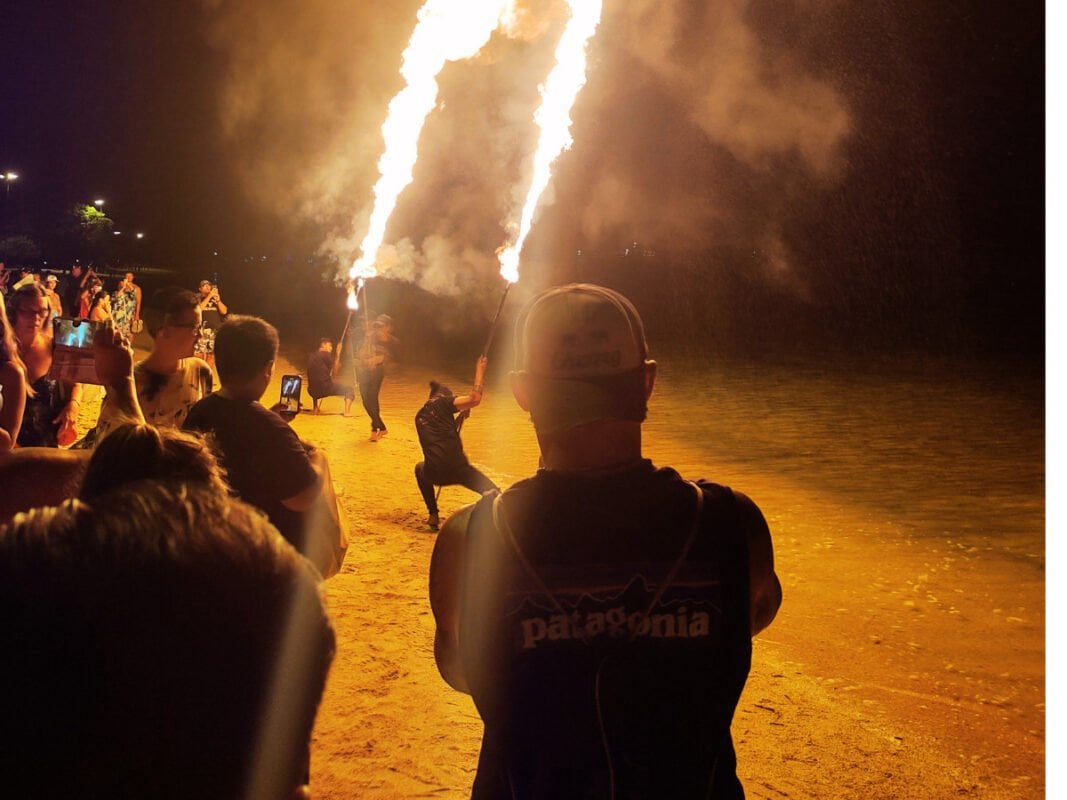
Be Careful Around Fire Shows – Fire shows are an impressive and mesmerizing type of entertainment, but it’s important to keep a safe distance and watch children closely while enjoying them.
17. Local SIM Card
Having mobile data, while not essential, can make you feel much safer in a foreign country.
It can be a huge help for directions, checking restaurant reviews, or calling for assistance.
Buy a Local SIM
Local SIM cards are easy to find at convenience stores like 7-11.
You’ll only need your passport for the purchase.
While buying at the airport is convenient, it is usually more expensive.
You may see shops selling SIM cards tailored to tourists, but these plans can be short and costly.
Opt for a regular plan for better value.
Consider eSIM
An eSIM is a convenient alternative to a physical SIM card.
You can purchase and activate it in your home country before traveling to Thailand.
Simply switch your mobile data from your regular SIM to the eSIM once you arrive.
Check if your phone supports eSIM before purchasing.
Although local physical SIMs may be a bit cheaper, an eSIM is very convenient.
18. ATMs, Currency, and Paying
Understanding the local currency and common payment practices is important to avoid potential scams during your trip.
While we didn’t experience any problems in Thailand, it’s easy to miscalculate or overpay if you’re unfamiliar with the currency or typical prices.
Know the Currency
Thailand’s currency is the Thai Baht (THB).
Familiarize yourself with the denominations and their approximate value in your home currency to avoid confusion when paying or receiving change.
Some scams may involve giving incorrect change to tourists who aren’t familiar with the currency.
ATM Fees
ATMs are widely available in Thailand, but most charge a withdrawal fee of around 220 THB per transaction (regardless of the amount withdrawn or the type of card).
To minimize fees, consider withdrawing larger amounts at once, but be mindful of carrying too much cash with you.
Use ATMs in Secure Locations
Preferably use ATMs inside banks or in well-lit, secure areas to reduce the risk of card skimmers.
Cash is King
While credit cards are accepted at hotels, larger restaurants, and malls, cash is preferred in markets, small shops, and for transportation like tuk-tuks and taxis.
Always carry enough cash, especially when visiting rural areas.
19. Negotiating Prices
Negotiating is common in Thailand, especially for taxis, souvenirs, and certain services.
Here are tips to help you avoid overpaying while respecting local customs:
Be Friendly and Respectful – Bargaining is an integral part of Thai culture, and a friendly tone is essential for a good negotiation experience.
Check Multiple Shops – For tours or souvenirs, compare prices before making a purchase. Many vendors sell similar items, so if you have time and enjoy shopping, browsing can be worthwhile.
Negotiate with Taxis – If a taxi price seems too high, don’t hesitate to negotiate. Popular tourist spots, especially near piers, often have higher prices, so be prepared to haggle politely to get a fair rate.
20. Taxi and Tuk-Tuk Scams
While most taxis and tuk-tuks in Thailand are reliable, scams can happen, especially in tourist-heavy areas.
My personal experiences have been mostly positive, but we sometimes had to negotiate prices.
Confirm the Price First – Always agree on the fare before starting your ride, especially for tuk-tuks, as they do not use meters.
Research Average Rates – Knowing the average fares for certain routes can help you spot inflated prices. Look up rates on internet forums, travel blogs, or ask friends who have been to Thailand.
Use Ride-Share Apps – In larger cities, apps like Grab or InDriver (the Asian version of Uber) are reliable options to avoid haggling and ensure fair pricing.
21. Unethical Attractions
Don’t expect anything illegal to be safe.
Some entertainment options in Thailand, such as “ping pong” shows, exploit both animals and individuals in very disturbing ways.
To make responsible choices, keep these points in mind –
Avoid Exploitative Tourism – Do your research and seek out ethical entertainment options. Thailand has plenty of cultural shows and traditional performances to enjoy for a more positive experience.
Be Aware of Local Laws – Participating in illegal activities is risky for everyone involved and can lead to severe consequences.
Consider the Impact – Supporting or taking part in exploitative shows contributes to unethical practices and can be deeply unsettling.
Final Thoughts
Thailand is an incredible destination with so much to offer.
By being mindful and prepared, you can fully embrace the adventure and create lasting memories.
Following these safety tips and respecting local customs will help you enjoy a worry-free journey.
Safe travels, and enjoy every moment of your trip!