
Banana Leaf Travel contains affiliate links. If you book through them, I may earn a small commission at no extra cost to you. I only recommend services I personally use and trust. See my Privacy Policy for more information.
Best Island Hopping Routes In Southern Thailand
If you’re planning an island hopping trip in Southern Thailand, the biggest mistake is choosing islands before understanding how the routes actually connect.
Most travellers overcomplicate this — jumping between islands that don’t link well or building routes that lead to unnecessary travel time.
After travelling across the Andaman Coast — from Koh Lipe up to Krabi — we realised the key is not the direction, but following the natural island chain.
In practice, that means sticking to a simple route between Phuket or Krabi, Koh Phi Phi, Koh Lanta, and (if you have time) continuing further south towards Koh Lipe.
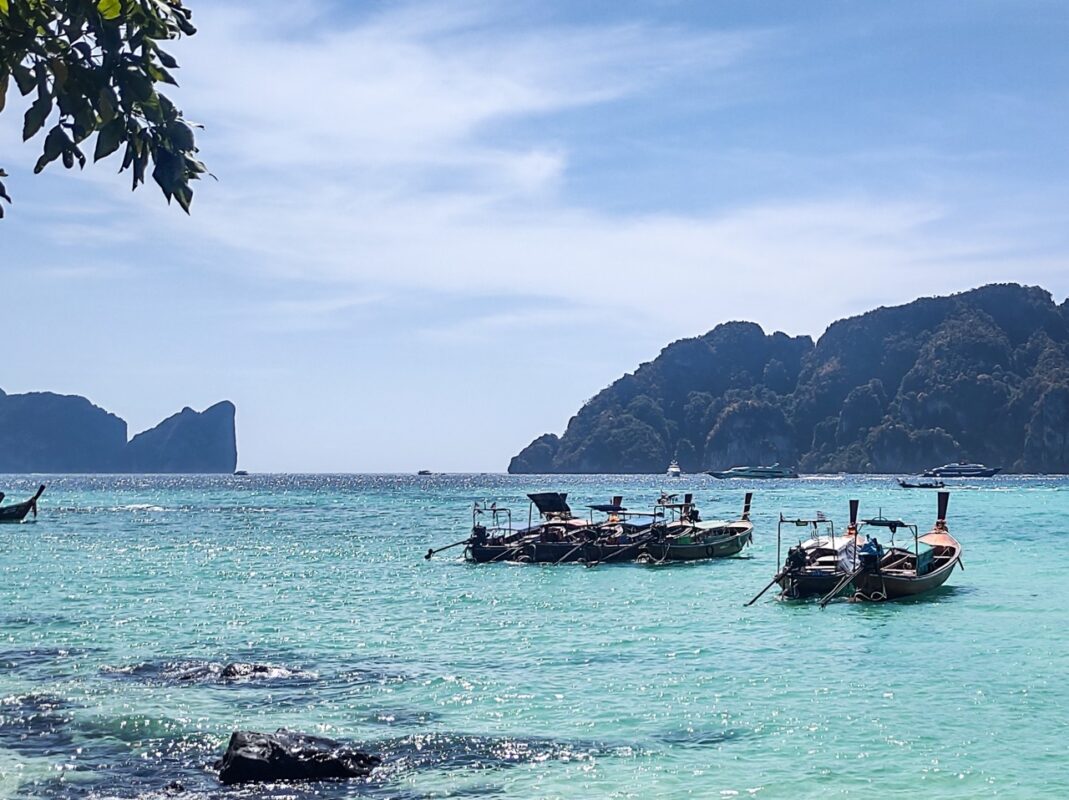
Before travelling between islands, it’s worth having mobile data for ferry updates, bookings, and navigation.
If you’re still deciding which stops to include, start with this guide to the best islands in Southern Thailand to match the route to your travel style.
What Is The Best Island Hopping Route In Southern Thailand?
The best island hopping route in Southern Thailand is:
Phuket or Krabi → Koh Phi Phi → Koh Lanta → Trang Islands → Koh Lipe
This north-to-south route follows the main ferry corridor along the Andaman Coast, with direct connections, short travel times, and minimal backtracking.
How Island Hopping Routes In Southern Thailand Actually Work
Island hopping in Southern Thailand follows a natural north-to-south route along the Andaman Coast.
During our trip, the easiest travel days were always the ones that followed this natural route. The ones that didn’t usually involved more waiting and less flexibility.
Ferries vs speedboats
On shorter routes like Koh Phi Phi to Koh Lanta, speedboats are usually worth it. On longer journeys, ferries can feel much more comfortable.
According to the Thai Meteorological Department weather conditions can change quickly at sea, so it’s always worth checking conditions before travelling between islands.
Direct routes vs transfers
For example:
- Koh Phi Phi → Koh Lanta is a simple direct route
- Koh Lipe → Phuket often involves a longer journey or multiple legs
If you want a full breakdown of transport options, read how to get around Southern Thailand.
Most island transfers in Southern Thailand are done by ferry or speedboat, and routes can fill up quickly during high season.
Island Hopping Routes Compared
If you’re not sure which route to choose, this quick comparison makes it easier to decide based on your time and travel style.
| Route | Path | Duration | Best For | Key Advantage |
|---|---|---|---|---|
| Classic Andaman | Phuket → Phi Phi → Lanta → Krabi | 7–10 days | First-time visitors | Easy planning and short travel distances |
| Extended Andaman | Phuket → Phi Phi → Lanta → Trang → Lipe | 10–14+ days | Longer trips | Access to quieter southern islands |
| Short Route | Phuket → Phi Phi → Phuket | 5–7 days | Limited time | Minimal travel and simple logistics |
| Southern Islands | Lanta → Mook → Kradan → Lipe | 7–10 days | Relaxed travel | Less crowded and more remote beaches |
| Krabi Loop | Krabi → Railay → Phi Phi → Lanta → Krabi | 5–8 days | Scenic travel | Mix of mainland and islands |
Best Island Hopping Routes (Andaman Coast)
Not all island hopping routes in Southern Thailand work equally well.
The difference usually comes down to ferry connections, travel time, and how relaxed or rushed the trip feels.
These are the routes that consistently work best based on how the transport network is structured.
Most travellers follow a shorter version of the route between Phuket, Phi Phi, Koh Lanta, and Krabi. Longer trips continue further south towards Koh Lipe.
- Koh Lipe is one of the best stops — see this Koh Lipe travel guide for what to do there.
1. Classic Andaman Route (Most Popular)
Route:
Phuket / Krabi → Koh Phi Phi → Koh Lanta → Krabi
If it’s your first time in Southern Thailand, this is the most common route and the easiest to plan.
Best for:
What to expect:
This route works well because distances are short and connections are frequent, making it easy to move between islands without feeling rushed.
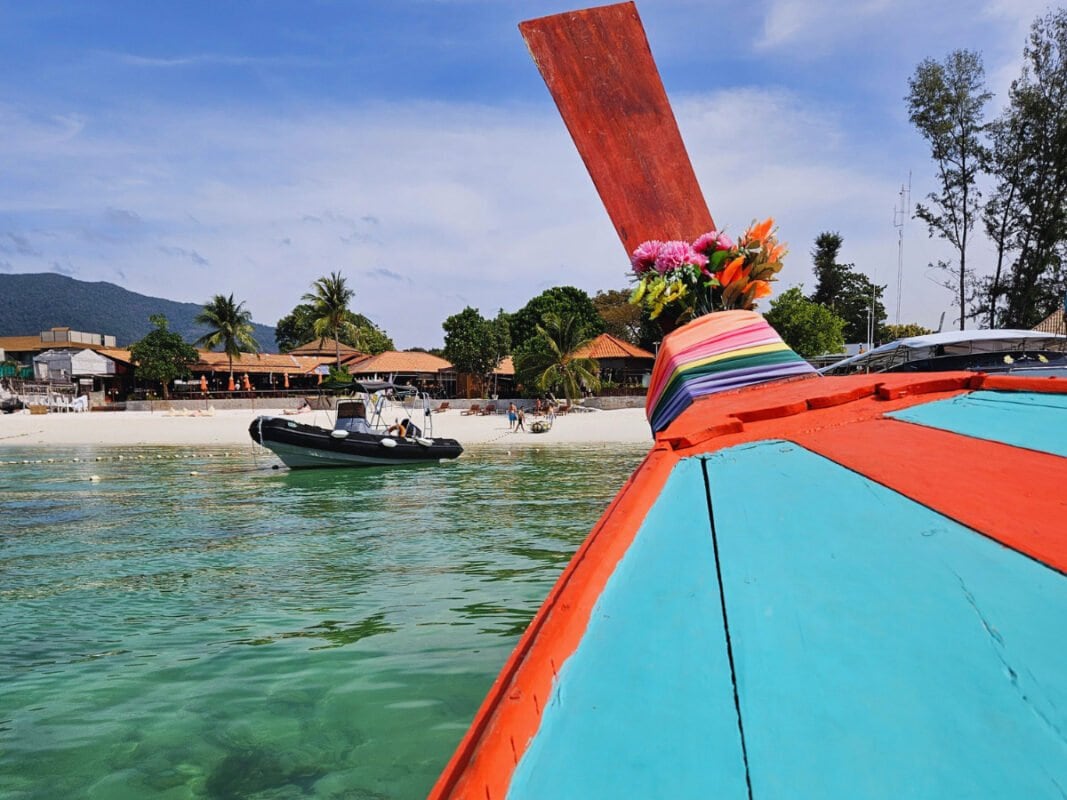
2. Extended Andaman Route (Best Overall)
Route:
Phuket / Krabi → Koh Phi Phi → Koh Lanta → Koh Mook / Koh Kradan → Koh Lipe
This is the most balanced and reliable route along the Andaman Coast. It follows the main ferry corridor, so connections are frequent and travel days stay relatively short.
Best for:
What to expect:
When we followed this route, each transfer felt straightforward, and there was a natural rhythm to the trip without long or complicated travel days.
This route passes through some of the most important islands in the region, especially Koh Lanta, which acts as a key connection point.
See the Koh Lanta Travel Guide for a deeper look at why it works so well as a base.
If your route only has room for one of them, use my Koh Lanta vs Koh Lipe guide to decide where your time will be better spent.
3. Short island hopping route (1 week)
Route:
Phuket / Krabi → Koh Phi Phi → Phuket / Krabi
If you only have one week, this shorter route keeps things simple while still covering some of the most rewarding islands.
Best for:
What to expect:
This works well if you prefer a slower pace instead of constantly moving between islands.
4. Southern islands route (less crowded)
Route:
Koh Lanta → Koh Mook → Koh Kradan → Koh Lipe
This route focuses on the quieter southern part of the Andaman Coast, where islands feel more remote and less developed.
Best for:
What to expect:
We found this part of the route noticeably calmer, especially around Koh Kradan and Koh Mook, where the pace slows down compared to the northern islands.
If Koh Lipe is on your route, make sure to check top things to do in Koh Lipe to plan your and to explore the best beaches in Koh Lipe while you’re there.
5. Krabi Loop Route (Scenic Option)
Route:
Krabi → Railay Beach → Koh Phi Phi → Koh Lanta → Krabi
This route combines island hopping with mainland highlights, making it a good option if you want more variety without travelling too far south.
Best for:
What to expect:
This works well if you want a more varied experience without committing to a longer southbound route.
If Koh Lanta is one of your longer island stops, use my guide to the best things to do in Koh Lanta to decide how many days you’ll actually want there.
Once you’ve chosen your route, the next step is checking connections between islands.
View available ferries and travel times hereMap of Main island hopping routes in Southern Thailand
A visual map can make route planning much easier.
This map shows how the main island hopping routes connect along the Andaman Coast, helping you visualise distances and choose the best route before planning your trip.
Tip: Zoom in to see individual islands and route connections more clearly.
Focus only on the Andaman Coast to keep the map clear and useful.
Which Route Is Best For Your Travel Style?
The best route depends on how you like to travel. Some routes are faster and easier, while others focus on quieter islands or more varied experiences.
| Travel Style | Recommended Route | Why It Fits |
|---|---|---|
| First-time in Thailand | Classic Andaman | Easy to plan with the most iconic islands |
| Short trip (under 1 week) | Short Route | Minimises travel time and keeps logistics simple |
| Longer trip (10+ days) | Extended Andaman | Allows you to reach quieter southern islands |
| Relaxed / slow travel | Southern Islands | Fewer crowds and slower pace |
| Scenery & variety | Krabi Loop Route | Mix of cliffs, beaches, and mainland viewpoints |
How to choose your island hopping route
Choosing a route doesn’t need to be complicated, but a few decisions will shape your entire trip.
Focus on these three factors first — they’ll determine how smooth (or stressful) your island hopping experience feels.
1. Where should you start?
Your starting point affects both logistics and the overall flow of your trip.
- Phuket: easiest access with frequent international and domestic flights
- Krabi: slightly quieter and better if you want to start near Railay or Ao Nang
In practice, both work well. The key is to start on the Andaman Coast so you can follow the natural ferry route south.
2. How much time do you have?
This is the biggest constraint most travellers underestimate.
- 5–7 days: stick to 2–3 islands maximum
- 10–14 days: follow the full Andaman route comfortably
- 2–3 weeks: add extra stops or slow down your pace
Trying to fit too many islands into a short trip usually leads to long travel days and less time actually enjoying each place.
If you want a structured example, see this Southern Thailand itinerary showing how to combine these routes into a full trip.
3. Which direction should you travel?
Whenever possible, travel north → south.
This follows the main ferry network and avoids unnecessary backtracking or complicated transfers.
It also makes planning easier, because transport options are more predictable along this route.
4. How do you want the trip to feel?
Finally, think about the pace and type of experience you want.
There’s no single “perfect” route — the best one is the one that matches your time, energy, and travel style.
If you prefer quieter islands, the Trang area offers some of the best beaches in the region — see Koh Mook guide for a good starting point.
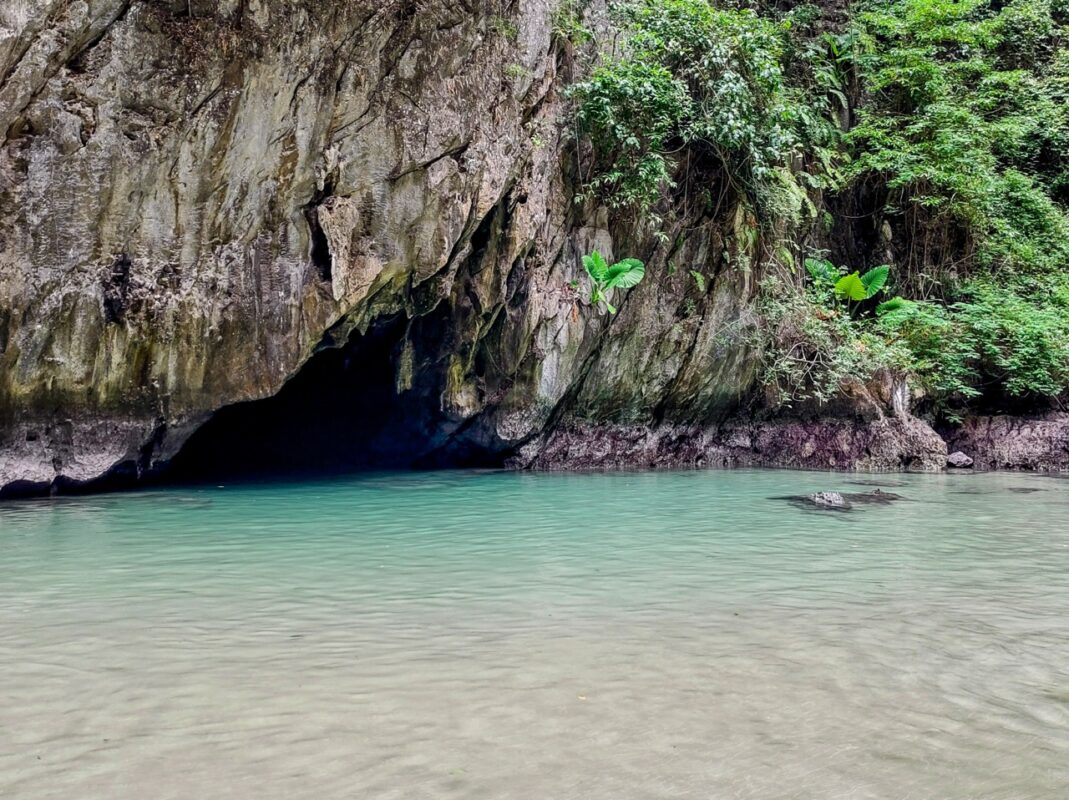
Many of the southern islands are part of protected areas, which helps preserve their beaches and marine life.
How do you get back after reaching Koh Lipe?
This is something most guides don’t explain clearly, but it’s important when planning your route.
Once you reach Koh Lipe (the southernmost point), you have a few realistic options:
1. Fly out via Hat Yai (most common)
- speedboat from Koh Lipe → Pak Bara Pier
- minivan transfer → Hat Yai Airport
- domestic flight to Bangkok or elsewhere
This is the fastest and most practical option for most travellers.
2. Reverse the route (slower but flexible)
You can travel back north the same way you came, stopping at different islands along the way. This works well if you want to explore places you skipped earlier.
3. Continue to Malaysia (Langkawi)
There are direct boats from Koh Lipe to Langkawi, making it easy to continue your trip internationally.
This is a great option if you’re travelling long-term or combining destinations.
Thinking about your exit early helps avoid rushed travel days at the end of your trip.
For a full breakdown of routes, transfers, and timings, read how to travel to and from Koh Lipe.
Island hopping often involves ferries, speedboats, and changing weather conditions, so having travel insurance is important.
Common mistakes to avoid when planning your route
Most problems with island hopping in Southern Thailand don’t come from the islands themselves — they come from how the route is planned.
We made some of these mistakes early on, and they usually lead to longer travel days or a more stressful experience than necessary.
More stops sounds better on paper, but in reality it often means packing, checking out, and travelling every 1–2 days.
This quickly becomes tiring and takes time away from actually enjoying each island.
Not every island connects directly. Trying to “jump around” can result in long transfers or wasted time waiting for boats.
Going north → south → north again adds unnecessary travel time and cost. Following a single direction keeps the trip much smoother.
These are separate coastlines with different transport systems. Combining them usually requires flights or long transfers and breaks the flow of island hopping.
Leaving Koh Lipe or the southern islands without a plan can lead to rushed travel days at the end of your trip.
In most cases, the simplest route is the best one. Following the natural ferry network keeps travel easy and gives you more time to actually enjoy the islands.
Plan Your Island Hopping Trip:
Final thoughts on island hopping routes in Southern Thailand
If you’re planning your route right now, start simple.
Pick a starting point (Phuket or Krabi), follow the natural island chain south, and limit the number of stops based on how much time you actually have.
That alone will solve most of the planning problems people run into.
Once your route is clear, the next step is deciding where to stop and how long to stay. That’s where the trip really comes together.
Plan Your Southern Thailand Trip
Now that your route is clear, the next step is choosing where to stop and how to structure your trip.
FAQs about island hopping routes in Thailand
What is the best island hopping route in Thailand?
The best island hopping route in Thailand follows the Andaman Coast: Phuket or Krabi → Koh Phi Phi → Koh Lanta → Trang Islands → Koh Lipe.
This route is the most efficient because it uses direct ferry connections, avoids backtracking, and follows the natural north-to-south travel flow used by most boats.
How many islands should you visit when island hopping?
Most travelers should visit 2 to 4 islands. This allows enough time to explore each destination without rushing.
Visiting more islands often leads to long travel days and less time to enjoy beaches, activities, and local experiences.
Can you island hop in Thailand without booking in advance?
Yes, you can island hop without booking everything in advance, especially in low season.
However, during peak months (November to April), it’s best to book ferries at least 1–2 days ahead to secure seats and avoid delays.
What is the best way to travel between islands in Southern Thailand?
The best way to travel between islands in Southern Thailand is by ferry or speedboat.
Ferries are cheaper and more stable, while speedboats are faster and offer more flexible routes. Most popular islands are connected by direct boat services.
How long does island hopping in Southern Thailand take?
A typical island hopping trip along the Andaman Coast takes 1 to 3 weeks.
A one-week trip usually covers 2–3 islands, while a two- to three-week trip allows you to follow the full route from Phuket or Krabi down to Koh Lipe.
How much does island hopping in Thailand cost?
Ferry and speedboat transfers usually cost between $10 and $40 per journey, depending on distance and boat type.
Overall costs depend on accommodation and travel style, but transport between islands remains reasonably priced.
