
Banana Leaf Travel contains affiliate links. If you book through them, I may earn a small commission at no extra cost to you. I only recommend services I personally use and trust. See my Privacy Policy for more information.
Driving in Thailand for Tourists: 10 Essential Rules, License Requirements & Safety Tips
Driving in Thailand for tourists can seem intimidating at first, especially with different road rules, scooters everywhere, and traffic driving on the left side of the road.
Yes, tourists can legally drive in Thailand if they have a valid driver’s license and an International Driving Permit (IDP).
Many travelers rent scooters or cars to explore islands and smaller towns, but understanding Thailand’s driving rules, road conditions, and safety tips is essential before getting behind the wheel.
However, driving in Thailand is often much easier than many travelers expect, especially outside large cities and on quieter islands across Southern Thailand.
After several weeks exploring Southern Thailand, we found that renting a scooter quickly became our go-to way of getting around the islands—often the first thing we arranged after checking into a hotel.
In this guide, you’ll learn the key driving rules in Thailand, license requirements, safety tips, and what travelers should know before getting behind the wheel.
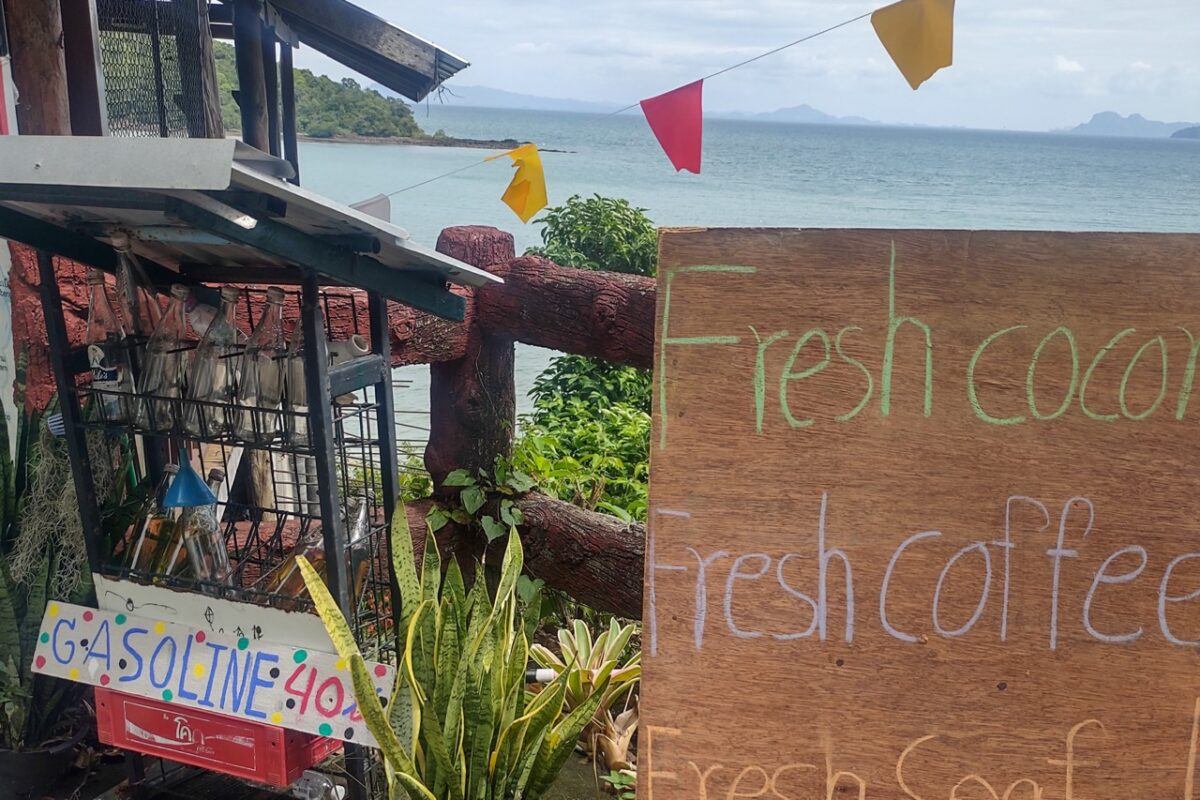
If you’re planning to drive or explore Thailand independently, these travel essentials can make your trip much easier:
Travel Essentials for Thailand:
Driving in Thailand – Quick Facts
The table below summarizes the most important things travelers should know before driving in Thailand.
| Driving Topic | Key Information |
| Driving side | Left side of the road |
| Required license | Valid driver’s license + International Driving Permit (IDP) |
| Helmet law | Helmets required for both driver and passenger on motorbikes |
| Typical fines | 200-500 THB ($6–$15) for common traffic violations |
| Speed limits | 50–60 km/h (30–37 mph) cities, up to 120 km/h (75 mph) highways |
During our travels through Southern Thailand, we drove both scooters and cars in several destinations including Krabi, Koh Lanta, and Koh Mook.
Driving conditions varied significantly between quiet island roads and busier mainland towns, which gave us a good understanding of what travelers can realistically expect when driving in Thailand.
If you’re planning a longer trip around the region, my Southern Thailand travel guide explains the best islands, destinations, and travel routes across the Andaman coast.
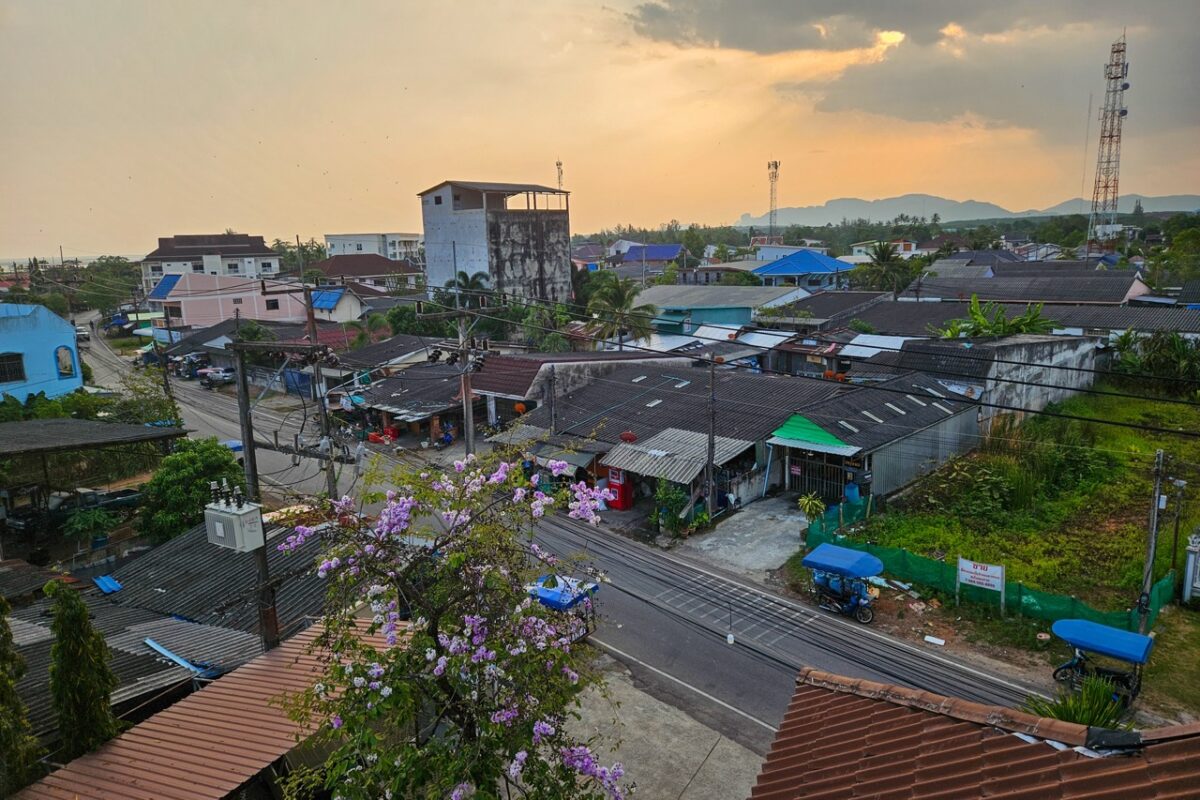
Driving in Thailand – Quick Tips for Tourists
If you’re planning to drive in Thailand for the first time, a few simple tips can make the experience much easier.
While traffic patterns may feel chaotic at first, most visitors quickly adapt to local driving habits.
If you’re visiting the country for the first time, this Thailand safety guide for first-time travelers explains other important tips for traveling around the region.
Here are some important things to remember before driving in Thailand:
If you’re planning to explore the islands independently, driving a scooter is often the easiest way to reach beaches, viewpoints, and hidden villages.
You can learn more in my complete guide to renting a scooter in Thailand, which explains costs, licenses, and safety tips.
Can Tourists Drive in Thailand?
Yes, tourists can legally drive in Thailand as long as they have a valid driver’s license and an International Driving Permit (IDP).
Foreigners driving in Thailand can rent either a scooter, motorcycle, or car in most tourist destinations.
Rental shops are widely available across the country, especially in places like Phuket, Krabi, and the Thai islands. Many hotels can also help arrange vehicle rentals for guests.
However, driving in Thailand as a tourist still requires meeting certain legal requirements.
In most cases, you will need a valid driver’s license together with an International Driving Permit.
Because scooter accidents are one of the most common travel injuries in Thailand, many travelers choose travel insurance that covers scooter accidents before renting a motorbike.
Although some rental shops may not always check your documents carefully, Thai traffic law still requires drivers to carry the correct license while operating a vehicle.
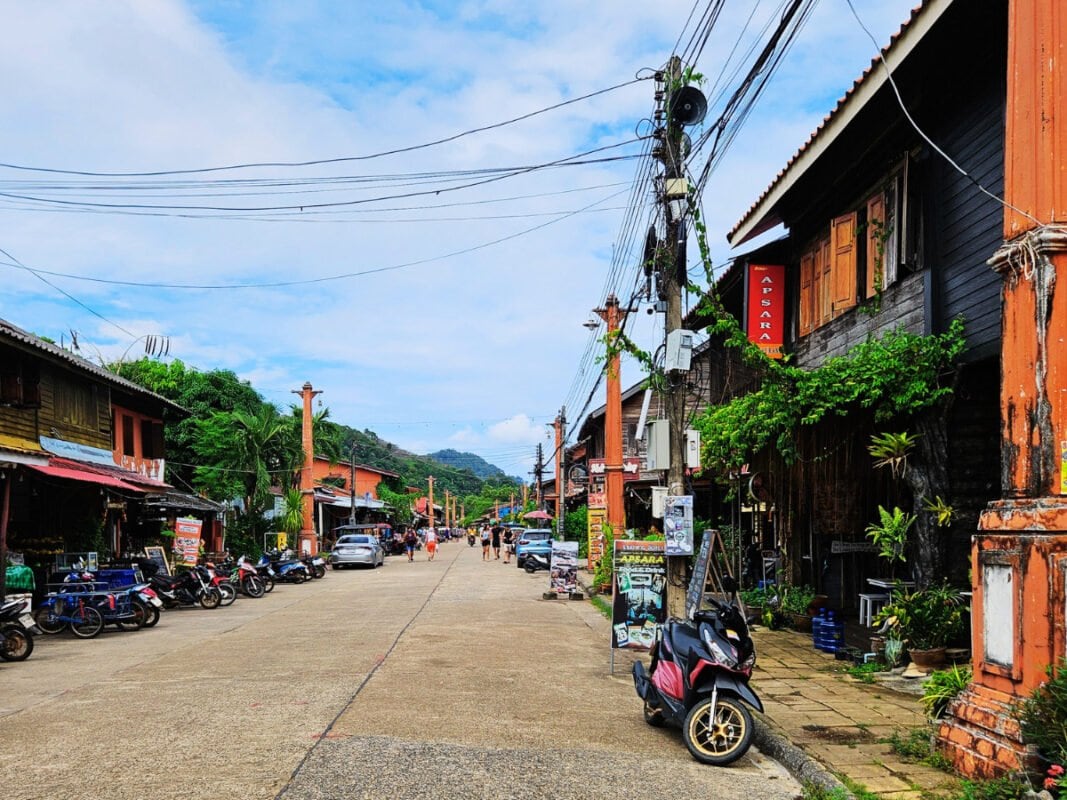
Do You Need an International Driving Permit in Thailand?
Yes, most foreign visitors need an International Driving Permit (IDP) to legally drive in Thailand.
An IDP translates your driver’s license into multiple languages and must be carried together with your original license when driving.
According to the Thailand Department of Land Transport, foreign drivers must carry both documents when operating a vehicle in the country.
If you are stopped during a police check and cannot present a valid IDP, you may receive a fine.
In practice, many rental shops do not always check these documents when renting vehicles to tourists, but this does not change the legal requirement
Police checkpoints are common in tourist areas of Thailand and usually focus on driver’s licenses and helmet use.
For this reason, travelers should always carry their license and International Driving Permit when driving in Thailand.
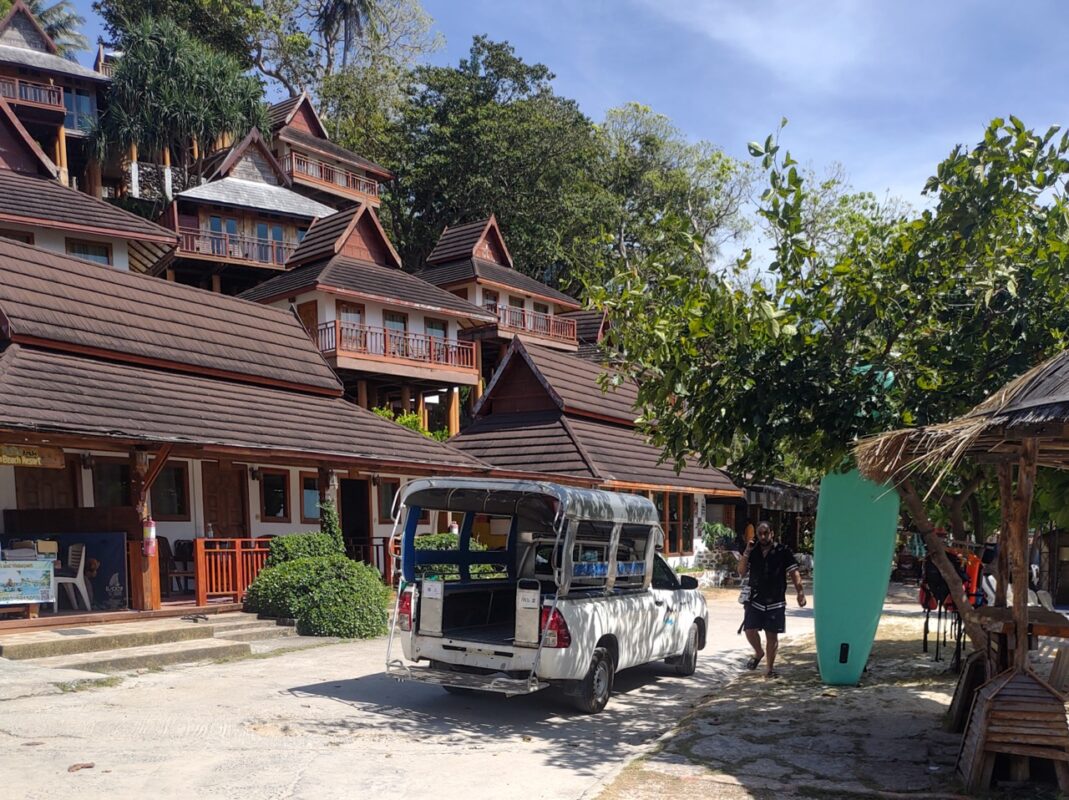
Do You Need an International Driving Permit to Ride a Scooter in Thailand?
Yes. Riding a scooter in Thailand legally requires the same documents as driving a car, including an International Driving Permit.
In addition, your driver’s license must include a motorcycle endorsement, which allows you to operate motorbikes.
Although many scooter rental shops do not ask tourists to show these documents, Thai traffic police frequently check licenses in popular tourist destinations.
If you are stopped during a police checkpoint without a valid motorcycle license and IDP, you may receive a fine of around 500 Thai baht ($14).
Another important consideration is travel insurance.
Many insurance policies will not cover motorbike accidents if the driver does not have the correct license or permit.
Because of this, travelers planning to ride scooters should always check that their license, IDP, and travel insurance meet the legal requirements.
If you’re planning to rent a motorbike during your trip, see my complete guide to renting a scooter in Thailand, which explains rental costs, license requirements, and common mistakes travelers should avoid.
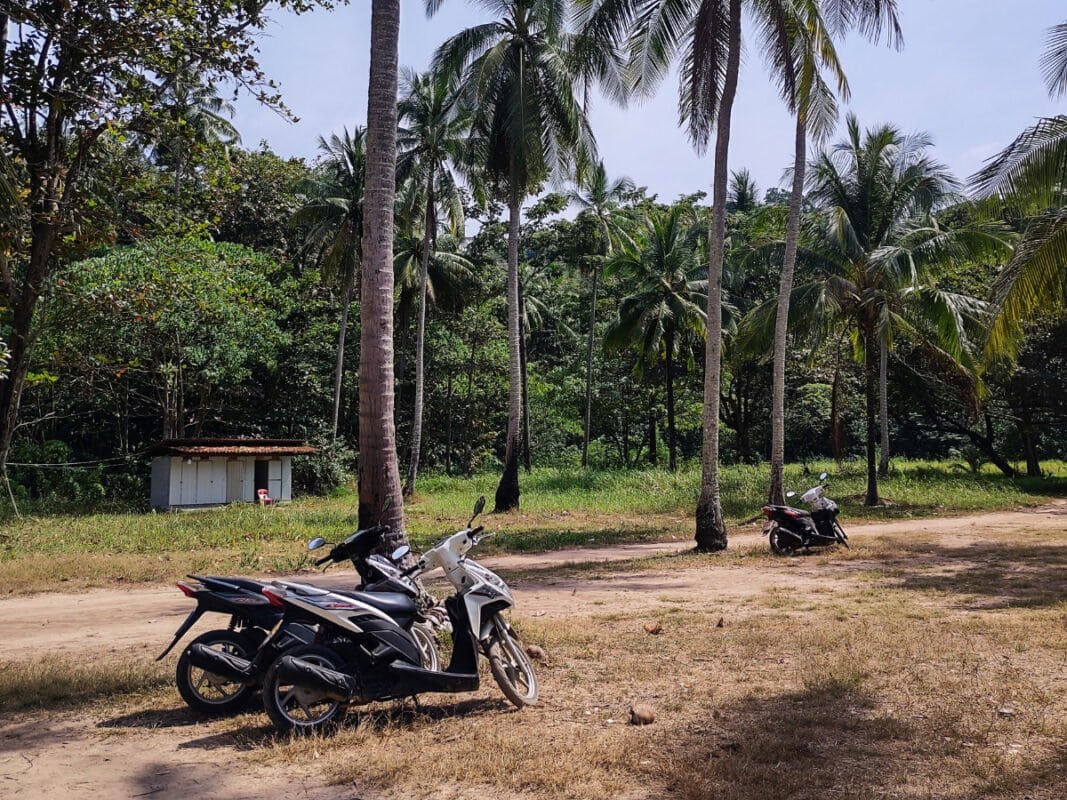
What Are the Driving Rules in Thailand for Tourists?
The most important driving rules in Thailand are:
Understanding the main driving rules in Thailand is important for staying safe and avoiding fines while traveling in the country.
Although traffic may feel chaotic at first, most road rules are straightforward.
Road etiquette in Thailand can be slightly different from Western countries.
Drivers often weave between lanes, and scooters frequently move between cars in traffic.
Once you become familiar with these patterns, driving becomes much easier.
Thailand Driving Rules – Summary
To make things easier to understand, the table below highlights the key driving rules in Thailand that tourists should follow to stay safe and avoid common traffic fines.
| Rule | Explanation |
| Drive on the left | Thailand follows left-side traffic like the UK and Australia |
| Helmet required | Helmets are mandatory for both driver and passenger |
| Seatbelts required | All car passengers must wear seatbelts |
| Carry license | Drivers must carry license + IDP |
| Speed limits | 50–60 km/h (30–37 mph) in cities and up to 120 km/h (75 mph) highways |
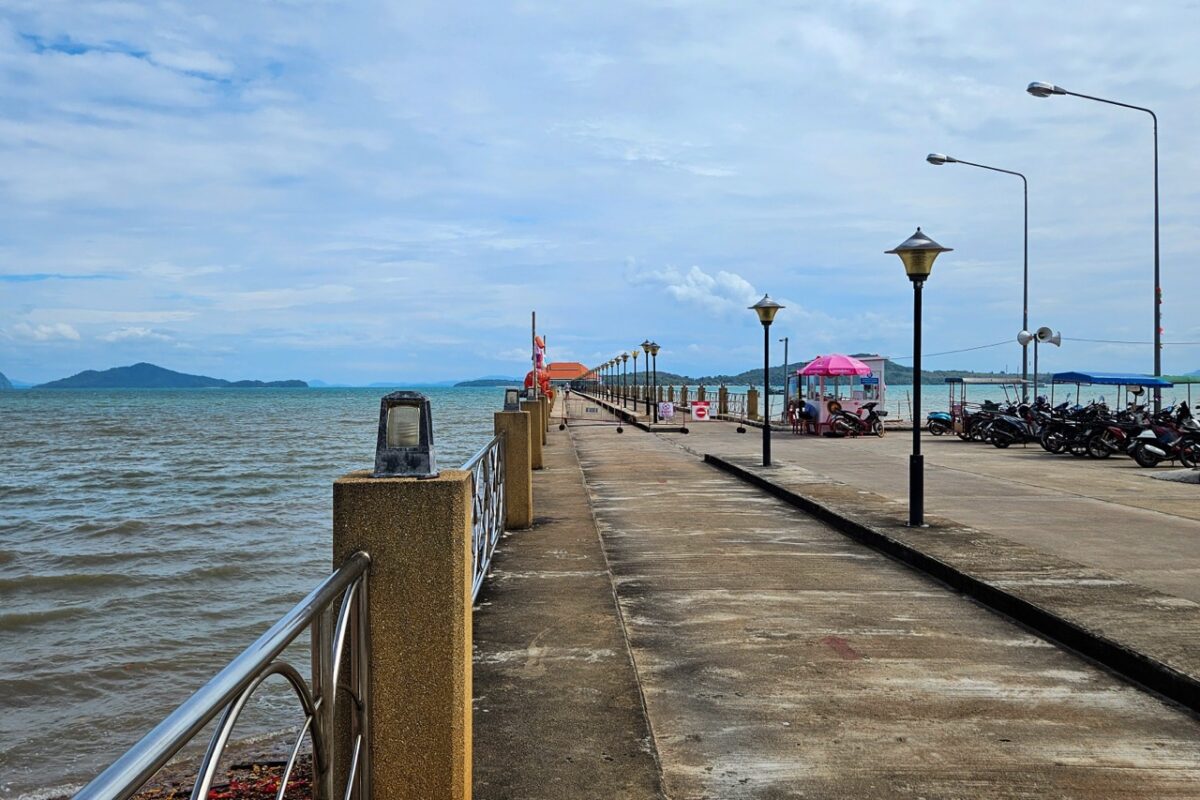
What Is Driving on the Left Side Like?
One of the biggest adjustments for tourists is driving on the left side of the road.
For travelers from countries where traffic drives on the right, this can feel unusual at first. However, most visitors adapt surprisingly quickly.
The main things to remember are:
After a few days of driving, most tourists feel comfortable navigating Thai roads.
Many travelers wonder if driving in Thailand is difficult, but once you adjust to driving on the left side of the road, it becomes surprisingly manageable — especially on quieter islands and smaller towns.
If you already have some riding experience, adjusting to driving a scooter in Thailand usually becomes much easier after a short time on the road.
Driving in Thailand?
Check your travel insurance carefully before renting a scooter or car, including the licence requirements and what activities your policy actually covers.
Road Conditions in Thailand (Cities, Islands, and Rural Roads)
Road conditions in Thailand vary significantly depending on the location.
1. City Roads
In large cities such as Bangkok or Phuket, traffic can be heavy and chaotic.
Roads are usually wide and shared by many types of vehicles including cars, buses, scooters, and tuk-tuks.
2. Island Roads
On Thai islands, traffic is often much lighter. However, the main roads can still be busy, and cars may drive surprisingly fast.
In places like Koh Lanta, the main coastal road connects many beaches and attractions.
You can explore more about the island in my Koh Lanta travel guide.
3. Mountain Roads
Mountain roads can be more challenging, especially for scooters. Steep hills and sharp curves require careful driving.
During one of our trips on Koh Mook, our scooter actually struggled on a steep jungle road.
The hill was much steeper than expected and the engine couldn’t handle the climb.
Luckily, the rental shop helped fix the issue and we didn’t have to pay much for the repair.
Travel Tip
Stay connected on remote mountain roads by getting a Thailand travel eSIM before your trip so you can use Google Maps immediately.
4. Rural Roads
In quieter areas, roads are often small and peaceful. Many rural island roads are mostly used by scooters and tuk-tuks.
You might also encounter unexpected obstacles such as stray dogs, chickens, or even larger animals.
Once I even saw an elephant walking along a rural road.
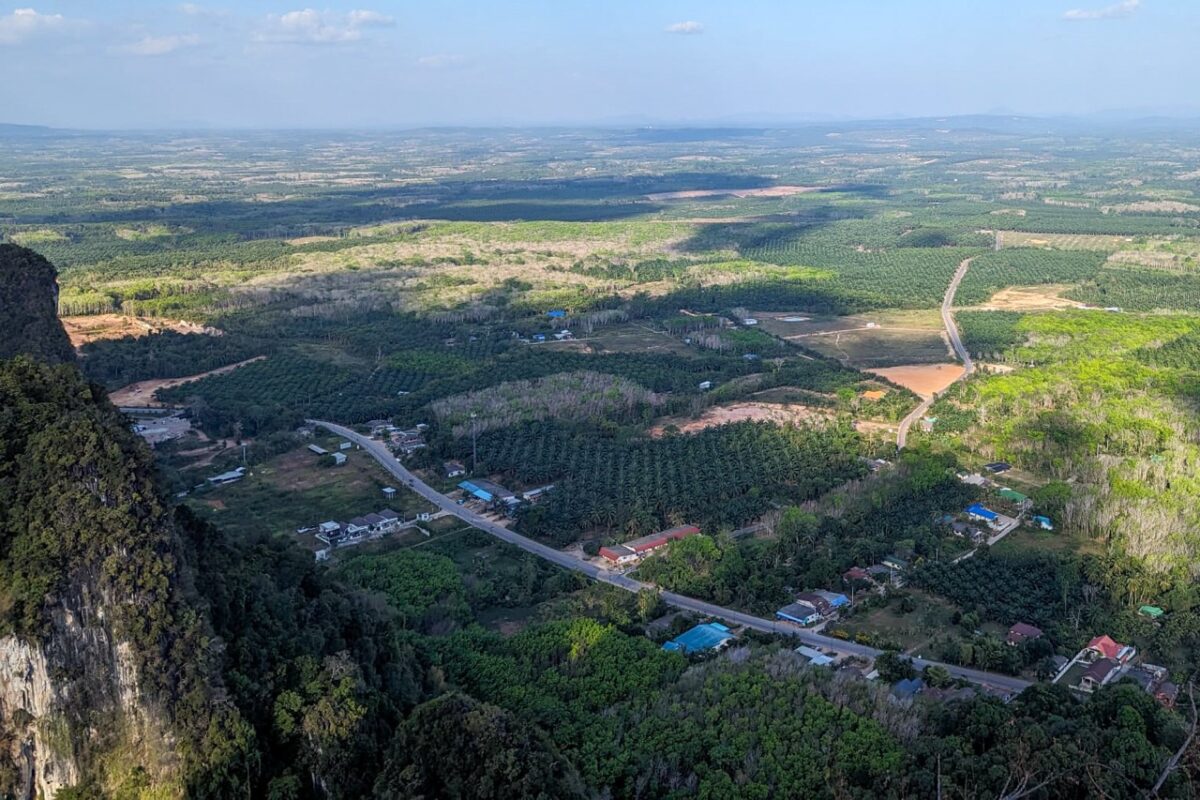
In mainland regions like Krabi, many roads pass through rural countryside and palm plantations, making road trips surprisingly scenic.
Police Checkpoints in Thailand (License and Helmet Checks)
Police checkpoints are common in some tourist areas of Thailand.
Thailand traffic police checks usually focus on:
If you are riding a scooter without a helmet, police will very likely stop you.
Fines for violations usually range between 200–500 Thai baht ($6–$15), depending on the offense.
During our time in Thailand, we were stopped once in Krabi Town.
The police only checked our license because we were wearing helmets and following the rules.
Checkpoints are more common in busy tourist areas and larger towns. On smaller or more rural islands, you may rarely encounter them.
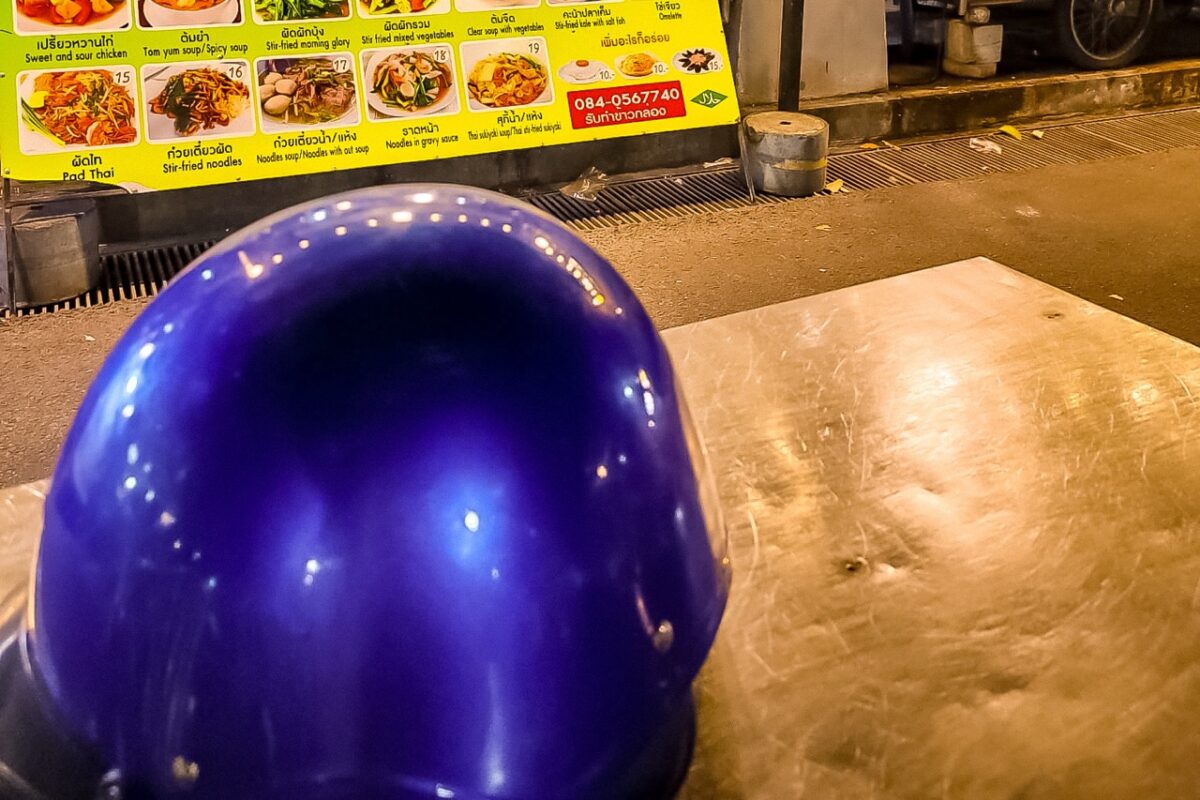
Scooters vs Cars in Thailand: Which Is Better for Tourists?
When deciding how to get around Thailand, travelers often wonder whether a scooter or a car is the better option.
For most travelers visiting Thai islands, scooters are usually the most practical option because distances are short and parking is easy.
Cars are more useful on the mainland or for longer road trips.
Scooters are ideal for:
Cars are better for:
If you plan to explore multiple provinces or drive longer distances, renting a car can be more comfortable.
Travel Tip
Planning to drive in Thailand? Compare car rental prices on DiscoverCars — you can often find surprisingly affordable options from multiple providers.
If you’re planning to explore islands like Koh Lanta by scooter or car, you can follow this Koh Lanta road trip guide to discover beaches, viewpoints, and small villages along the coast.
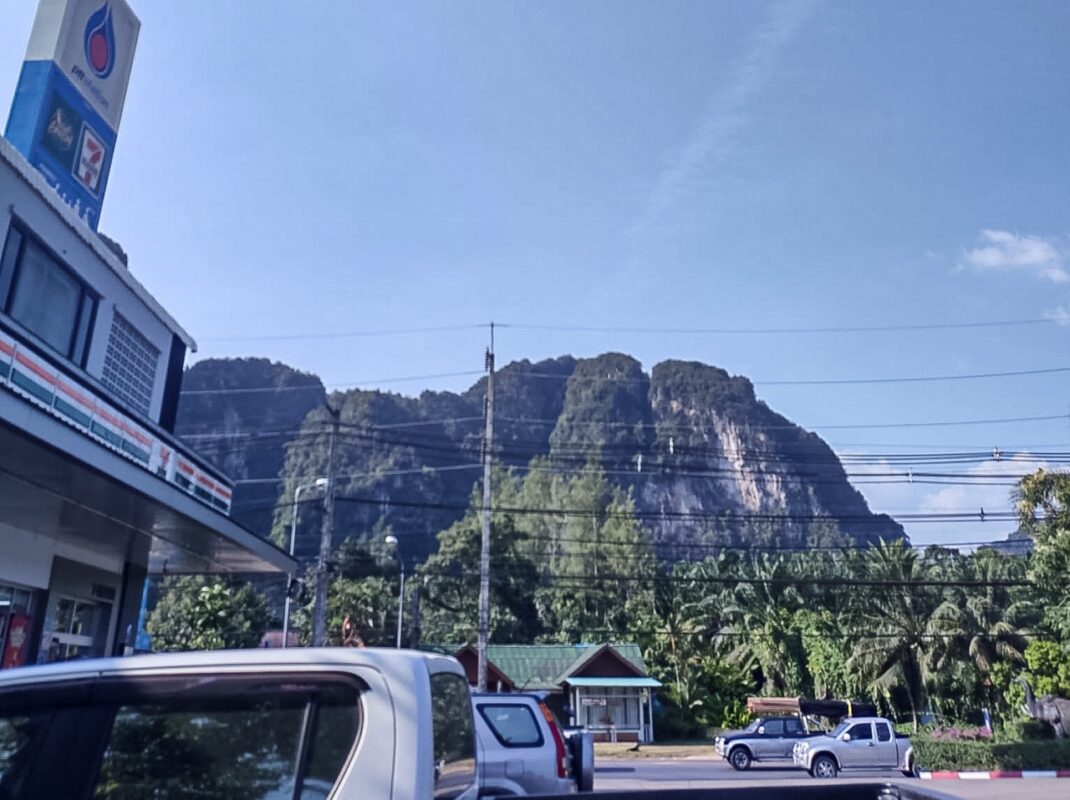
On mainland destinations like Krabi, fuel stations are common and easy to find when driving longer distances.
Best Places in Thailand for Cars, Scooters, and Walkable Travel
Transportation in Thailand varies depending on the destination.
While some islands are easiest to explore by scooter, others are compact enough to explore on foot, and larger mainland regions are better suited for cars.
The table below shows which type of transport works best in different parts of Thailand, along with examples of destinations for each travel style.
| Transportation | Best For | Typical Destinations |
| Scooter | Island exploration | Koh Lanta, Koh Tao, Koh Mook |
| Car | Mainland road trips | Krabi, Phuket, Chiang Mai |
| Walking | Small islands | Koh Phi Phi, Koh Lipe |
Smaller islands like Koh Phi Phi are very walkable. You can read more about the island in my Koh Phi Phi travel guide.
Planning a Trip Around Southern Thailand?
If you’re planning to explore Thailand by scooter or car, these detailed guides will help you plan your route:
Insurance Rules for Driving in Thailand
Insurance is an important factor when driving in Thailand.
Most vehicle rentals include only basic insurance coverage, which may not cover major damage or medical costs.
Travel insurance that includes motorbike accident coverage is highly recommended if you plan to ride a scooter.
However, many insurance policies have strict requirements. Coverage may become invalid if:
Always check your policy conditions before renting a scooter or car.
Travel Insurance Tip
🛡 If you plan to ride a scooter in Thailand, make sure your policy covers motorbike accidents.
Many travelers choose travel insurance that covers scooter accidents in Thailand before renting a motorbike to avoid unexpected medical costs.
👉 Check coverage options here
Safety Tips for Driving in Thailand
If you’re planning to drive in Thailand, keeping a few simple precautions in mind can make your trip much safer.
Keep in mind that during the monsoon season rainstorms can reduce visibility dramatically, and roads may become slippery very quickly.
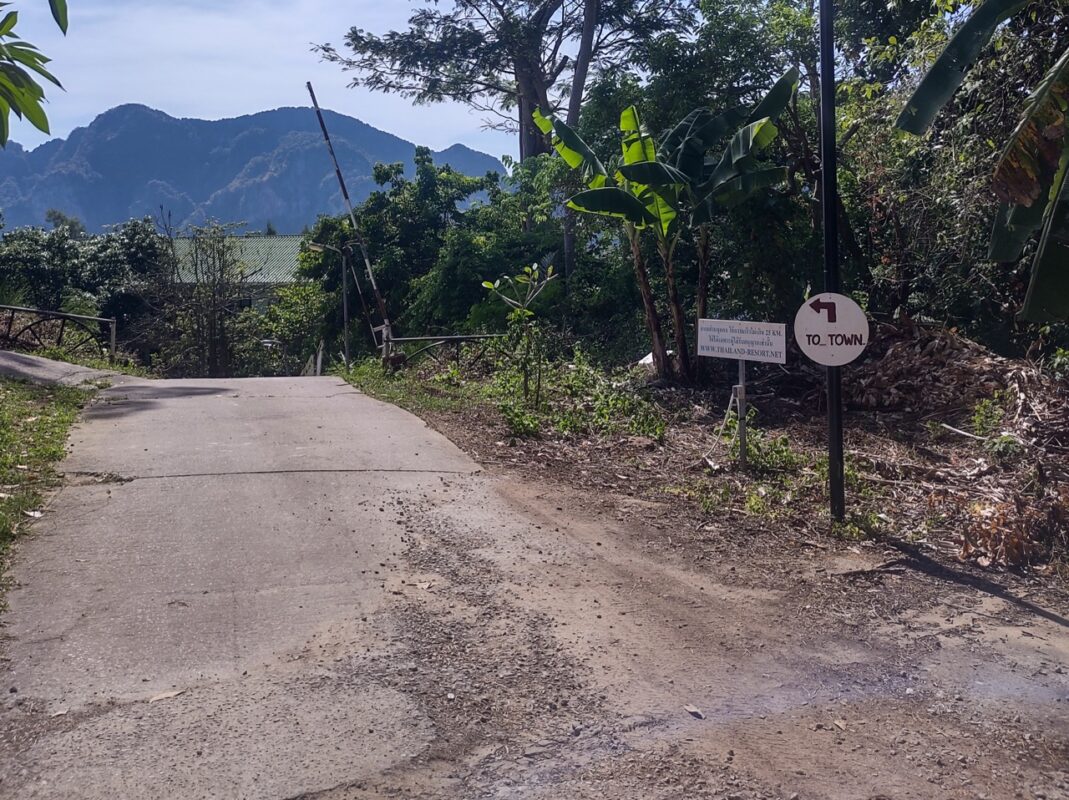
Is Driving in Thailand Dangerous?
Driving in Thailand is generally safe for experienced drivers, especially on islands and in smaller towns where traffic is calmer.
For first-time visitors, it can still feel intimidating because traffic patterns and road etiquette may be different from what many travelers are used to.
Thailand does have a relatively high road accident rate compared to some Western countries, which is why visitors should always drive cautiously.
According to the World Health Organization road safety report, Thailand has one of the higher road traffic fatality rates in Southeast Asia, highlighting the importance of following local traffic laws and driving carefully.
However, the level of difficulty, especially in Southern Thailand, varies greatly by location.
While traffic in major cities like Bangkok or Phuket can be busy, many islands and smaller towns such as Koh Lanta or Koh Mook island have much calmer roads where driving is significantly easier for visitors.
For travelers who drive defensively, follow traffic rules, and wear helmets when riding scooters, driving in Thailand can still be a safe and convenient way to explore the country.
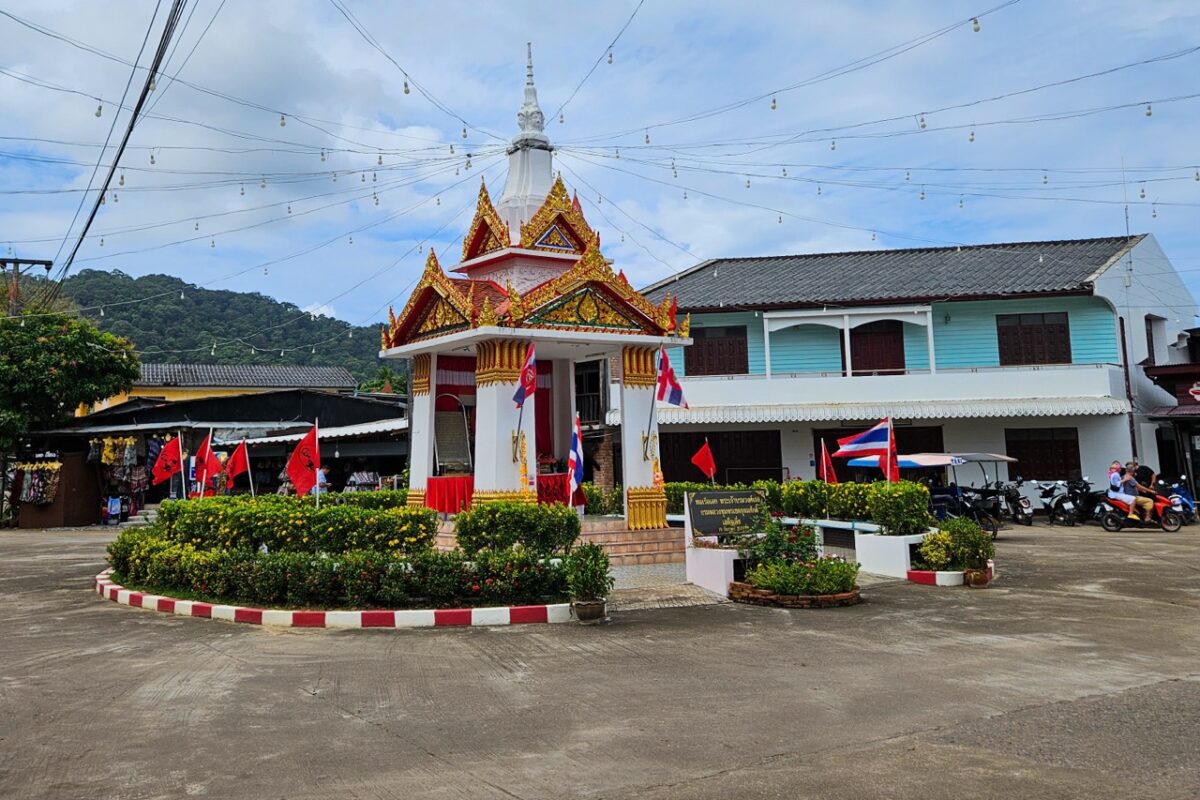
My Experience Driving in Thailand
During our travels in Southern Thailand, we drove both scooters and cars in destinations such as Koh Lanta, Krabi, and Koh Mook.
Driving conditions varied depending on the location, but outside major cities the roads were often much calmer than we expected.
Traffic on the main roads can sometimes be surprisingly fast, especially on larger islands or near towns.
However, we never experienced any dangerous situations while driving in Thailand.
Outside busy areas, roads were usually quiet – especially early in the morning when we were heading to ferries or starting day trips.
Once we became familiar with driving on the left side of the road and local traffic habits, getting around by scooter felt surprisingly straightforward.
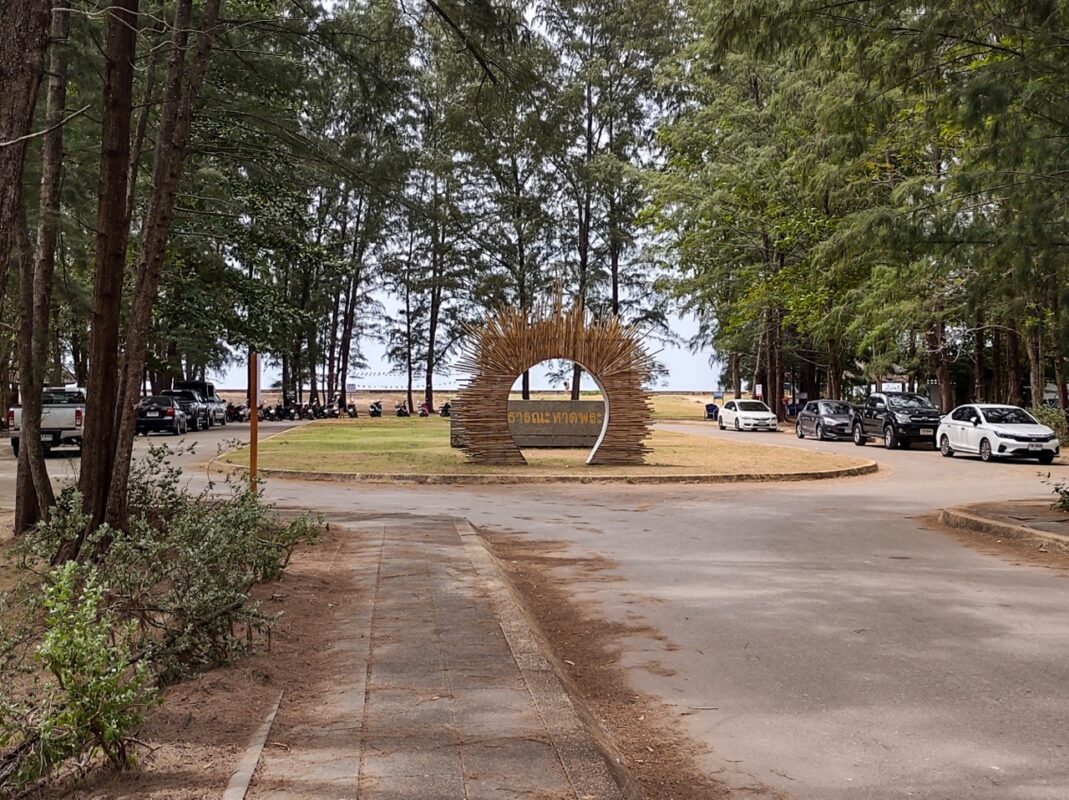
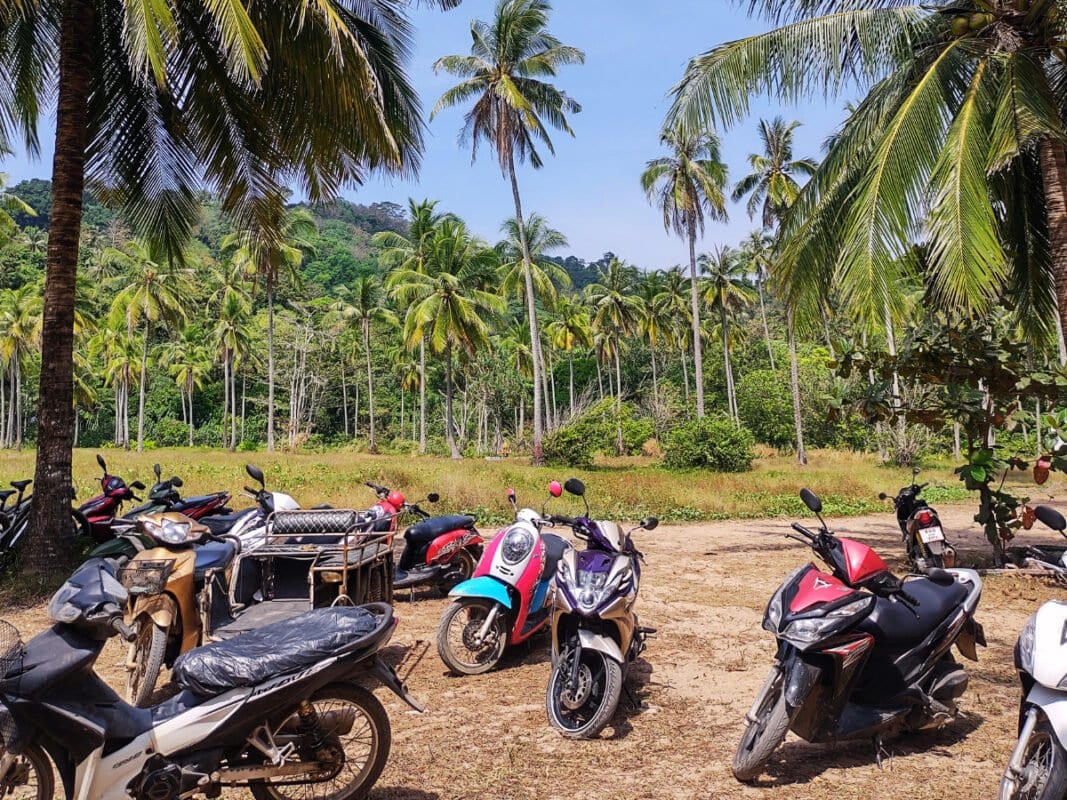
Many public beaches and parks on Koh Lanta have small parking areas like this one, making it easy to explore the island by scooter or car.
Of course, travel rarely goes perfectly. Once our scooter struggled on a steep jungle road, and another time we managed to lose the keys somewhere on a beach at night.
Fortunately, both situations were resolved quickly and the costs were minimal — another reminder that travel mishaps in Thailand are often easier to handle than expected.
Helpful Travel Tip
Planning to explore Thailand by car instead of a scooter?
Many travelers use DiscoverCars to compare car rental prices across multiple rental companies before arriving in Thailand.
Is Driving in Thailand Worth It for Tourists Visiting Thai Islands?
Driving in Thailand becomes much easier once you understand the basic road rules and local driving habits.
Many travelers find that having their own vehicle gives them the freedom to explore hidden beaches, viewpoints, temples, and small villages that are difficult to reach using public transport.
If you’re traveling between islands, you can also check ferry routes and schedules on 12Go Asia, which compares ferries, buses, and trains across Thailand.
If you’re planning to explore the Thai islands independently, renting a motorbike is often the most convenient option.
You can read my complete guide to renting a scooter in Thailand to learn about rental costs, licenses, and common mistakes travelers make.
For a bigger picture of transportation options across the region, see my guide on how to get around Southern Thailand, which explains ferries, buses, scooters, and other ways to travel between destinations.
And if you’re still planning your route, my 3-week Southern Thailand itinerary shows how to combine several islands into one unforgettable trip.
Planning your trip to Southern Thailand? These guides will help you explore the region’s islands and plan your route:
Thailand Travel Planning Resources
Frequently Asked Questions About Driving in Thailand
Yes, tourists can legally drive in Thailand if they carry a valid driver’s license together with an International Driving Permit (IDP). Rental companies widely offer cars and scooters across tourist destinations, but Thai law still requires foreign drivers to have the correct license while operating a vehicle.
Yes, most foreign visitors need an International Driving Permit (IDP) to legally drive in Thailand. The permit must be carried together with your original driver’s license and is required for both cars and motorbikes.
Driving without the correct license in Thailand is illegal and can result in fines, typically around 500 Thai baht. In tourist areas, police checkpoints often stop drivers to check licenses and helmets, especially for scooter riders.
Driving in Thailand can be safe for experienced drivers who follow local traffic rules and drive cautiously. Traffic in large cities can be busy, but roads on many Thai islands and rural areas are usually much calmer.
Driving in Thailand may feel unusual at first because traffic drives on the left side of the road and scooters are very common. However, many travelers find that driving becomes much easier after a short adjustment period.
Yes, foreigners can rent cars in Thailand in most tourist destinations. Rental companies typically require a valid driver’s license together with an International Driving Permit before allowing visitors to rent a vehicle.
