
Banana Leaf Travel contains affiliate links. If you book through them, I may earn a small commission at no extra cost to you. I only recommend services I personally use and trust. See my Privacy Policy for more information.
A Perfect 3 Week Southern Thailand Itinerary – Andaman Coast
Planning three weeks in Southern Thailand is difficult not because there are too few places to visit, but because there are so many islands worth considering.
This itinerary follows the Andaman Coast from Koh Lipe north through Koh Mook, Koh Lanta and Koh Phi Phi before finishing in Krabi.
It is based on the month I spent travelling through the region, adjusting my route and learning which destinations deserved more time.
The itinerary is designed for independent travellers who enjoy hiking, snorkelling, kayaking, viewpoints and quieter beaches alongside Southern Thailand’s best-known sights.
Over 21 days, it balances active exploration with enough time to slow down, while keeping the route practical and avoiding unnecessary backtracking.
Below, you’ll find the complete day-by-day itinerary, recommended nights in each destination, realistic transfer advice and links to my detailed island guides.
Before building your itinerary, it helps to understand the main island hopping routes across Southern Thailand.
Your 3-Week Southern Thailand Route Overview
| Destination | Nights | Best For | Why Stay This Long? | Next Transfer |
|---|---|---|---|---|
| Koh Lipe | 4 | Beaches, shore snorkelling & island hopping | The longest journey on the route, so four nights give you time to enjoy Koh Lipe, Koh Adang and a boat trip without rushing. | Speedboat to Koh Mook |
| Koh Mook | 3 | Emerald Cave, quiet beaches & local island life | Long enough to explore beyond Emerald Cave and enjoy the island’s slower pace. | Ferry to Koh Lanta |
| Koh Lanta | 5 | Road trips, caves, beaches & local culture | A much larger island, with enough attractions to easily fill several days. | Ferry to Koh Phi Phi |
| Koh Phi Phi | 4 | Hiking, viewpoints, Maya Bay & nightlife | One day usually goes to Phi Phi Leh, leaving enough time to properly explore Phi Phi Don. | Ferry to Krabi |
| Krabi / Ao Nang | 5 | Railay, hikes, temples & kayaking | A flexible mainland base with plenty of day trips before flying home. | ✈ Krabi Airport |
If you’re planning a trip to this region, start with this Southern Thailand travel guide covering the best islands, travel routes, and practical tips.
Why This Order Makes Sense
Starting with Koh Lipe means completing the longest journey first, then gradually moving north towards easier ferry connections and Krabi Airport.
The length of each stay reflects both the effort required to reach the destination and how much there is to explore.
Koh Lipe deserves enough time to justify the journey, while larger stops such as Koh Lanta, Koh Phi Phi and Krabi offer enough variety for several days.
Arrival and departure days are deliberately lighter, leaving room for ferry delays, changing weather and places you may decide to enjoy for longer.
Before You Start
Most island transfers take at least half a day, and ferry routes can change with the season and sea conditions. Treat this itinerary as a flexible framework rather than a strict timetable.
For route options and current planning considerations, see my guide to travelling between the islands of Southern Thailand.
Week 1: Koh Lipe and Koh Mook – The Southernmost Islands
Koh Lipe – 4 Nights
Koh Lipe is the southernmost stop on this itinerary and the longest journey you’ll make, making it the perfect place to begin before gradually travelling north towards Krabi.
Four nights give you enough time to enjoy the island’s beaches, visit nearby Koh Adang and take a snorkelling or diving trip without rushing from one highlight to the next.
For more detailed information, see my Complete Koh Lipe Travel Guide.
Accommodation On Koh Lipe
Koh Lipe has accommodation for different budgets, but good-value rooms can sell out quickly during the high season.
I prefer keeping my plans flexible, but this is one island where booking earlier can give you a better choice of location and price.
My Favourite Places to Stay on Koh Lipe:
→ Related guide: Where to Stay in Koh Lipe
Day 1: Arrive on Koh Lipe, Relax on the Beach and Watch the Sunset
Your first day should remain flexible. Travelling through Hat Yai and Pak Bara, waiting at the pier and taking the speedboat can consume much of the day, even when everything runs smoothly.
Getting to Koh Lipe
The quickest route from Bangkok is usually to fly to Hat Yai Airport and continue by minivan or taxi to Pak Bara Pier. From there, speedboats travel to Koh Lipe.
Combined airport-to-island tickets are often the easiest option because they include both the road transfer and the boat.
An early flight may get you to Koh Lipe around midday, but I would avoid planning anything that depends on a precise arrival time.
→ Related guide: How to Travel to Koh Lipe
Travel tip: Ferry schedules and journey times can change with the season and sea conditions. Check the latest connections before booking accommodation for your arrival night.
After You Arrive
Boats arrive at Pattaya Beach, where you will find the main arrival area and, for international routes, immigration facilities.
Pattaya Beach is convenient for accommodation and Walking Street, but boat traffic makes it not best for a relaxed first swim.
After checking in, walk across the island to Sunrise Beach. It is generally better suited to swimming and snorkelling, with restaurants and places to rent equipment nearby.
Keep the afternoon unplanned. After the journey, you may prefer to swim, relax on the sand or snorkel close to shore rather than rush into a tour.
Sunset and Evening
Later in the afternoon, walk north along Sunrise Beach towards the sandy curve around Karma Beach.
It is one of the most scenic places on Koh Lipe to watch the light change as the sun sets behind the island.
Afterwards, head to Walking Street for dinner. This is the island’s main evening area, with Thai restaurants, international food, cafés, bars and small shops.
If you still have energy, Pattaya Beach often has fire shows and beach bars open later in the evening.
Your first day is intentionally simple. The goal is to recover from the journey, understand the island’s layout and begin the itinerary without immediately feeling behind schedule.
→ Related guide: Best Beaches in Koh Lipe
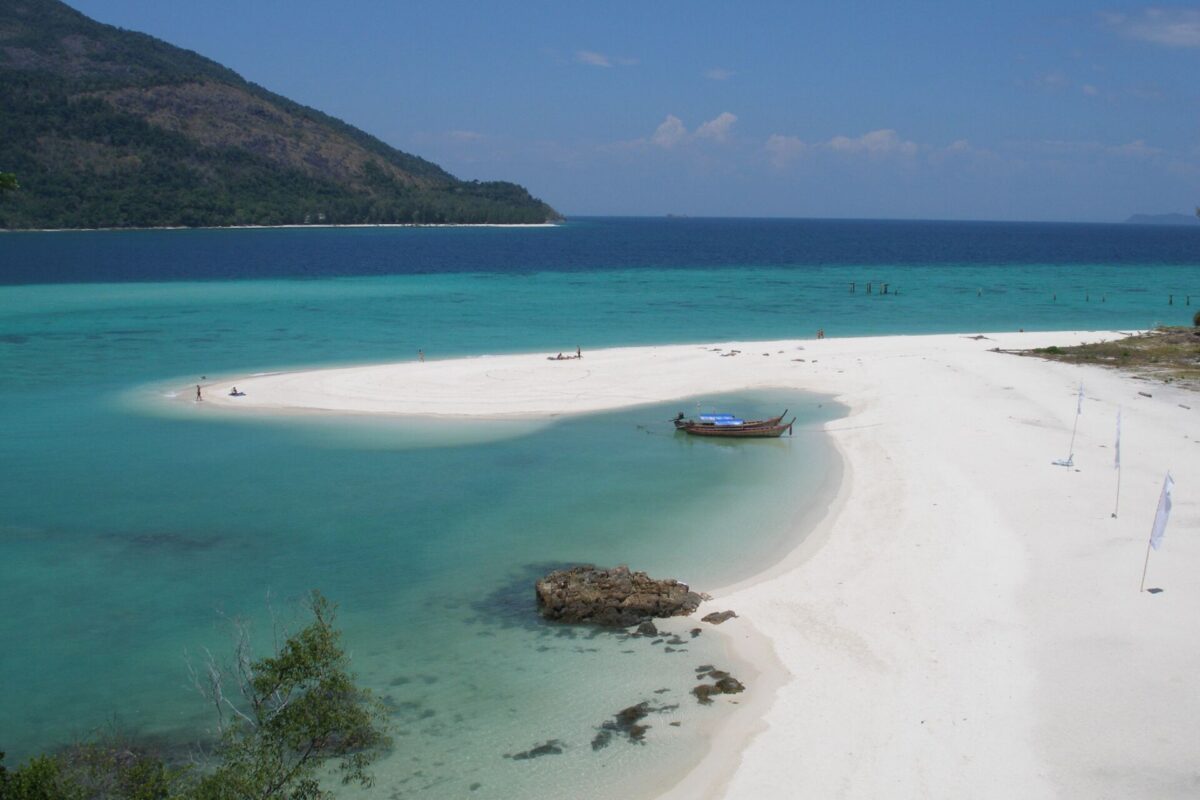
Day 2 – Explore Koh Lipe Beyond the Beaches (Hiking and Kayaking)
Morning
After a relaxed first day, it’s time to discover a quieter side of Koh Lipe.
Although the island is small, several short jungle trails connect hidden beaches that many visitors never see.
Spend the morning walking between secluded coves such as Sanom Beach, Pollo Beach and Svedo Beach.
My tip: Start hiking as early as possible. Even short jungle trails feel much harder once the midday heat arrives, and you’ll have far quieter beaches almost to yourself.
Afternoon
Return through the island’s interior to visit Samnaksong Han Talay, a peaceful Buddhist temple hidden in the forest.
It’s a completely different side of Koh Lipe, with small shrines, colourful statues and very few visitors.
From there, continue towards the local neighbourhoods, where you’ll find the Urak Lawoi community.
The Urak Lawoi tribe is island’s indigenous community with a semi-nomadic history.
Check the information boards near the community center to learn about their traditions and way of life.
Later in the afternoon, rent a kayak from Sunrise Beach and explore the coastline from the water.
If you’re up for a longer paddle, head towards the small uninhabited Koh Kla, where you can stop for a swim or snorkel before returning to the beach.
→ Related guide: Best Things to Do on Koh Lipe
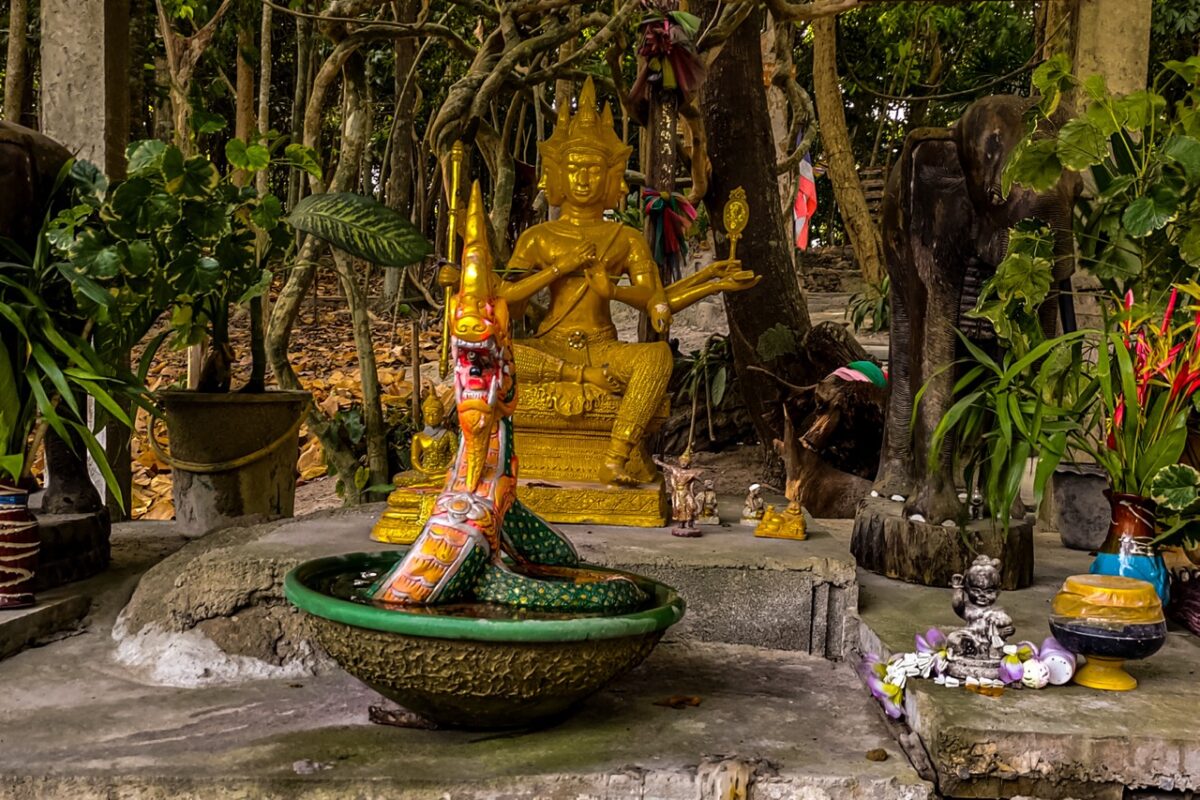
Day 3 – Explore Koh Adang and Koh Rawi
Today is one of my favourite days on this itinerary. While Koh Lipe’s beaches are beautiful, I think the surrounding islands are what make this part of Thailand truly special.
Both Koh Adang and Koh Rawi are part of Tarutao National Marine Park, offering quieter beaches, jungle scenery and some of the clearest water you’ll find anywhere along the Andaman Coast.
Morning – Koh Adang
Start the day with a long-tail boat or snorkelling tour to Koh Adang, just a short ride from Koh Lipe.
Although many tours stop here briefly, I’d recommend allowing enough time to explore the island rather than simply hopping off for a quick swim.
If your budget allows, I think hiring a private long-tail boat is the better option. It gives you the flexibility to spend longer hiking, swimming or simply enjoying the beaches without following a fixed group schedule.
The highlight of Koh Adang is the hike to Chado Cliff Viewpoint, where you’ll be rewarded with one of the best panoramic views in Southern Thailand.
Looking across the turquoise water towards Koh Lipe makes the climb well worth the effort.
After the hike, cool off with a swim or relax on one of the island’s quiet beaches before continuing to your next stop.
Exploring Koh Adang or Koh Rawi? Stay Connected Offline
Download offline maps, check boat schedules and stay connected without searching for a local SIM card. I always recommend setting up an eSIM before arriving in Thailand.
Afternoon – Koh Rawi
Continue to Koh Rawi, a quieter island that receives far fewer visitors than Koh Adang.
Most people come here to enjoy the peaceful beaches, swim in the clear water and escape the crowds rather than spend the afternoon hiking.
Since there are no hotels on Koh Rawi, camping is the only option if you want to stay overnight, making it one of the least-developed islands in the marine park.
Relax on Sai Khao Beach, enjoy lunch at the small beachfront restaurant and take some time to appreciate just how untouched this island still feels compared to many of Thailand’s better-known destinations.
Worth Knowing
Koh Rawi is not only a beach stop. You can also explore its jungle trails, although they are less clearly marked than those on Koh Adang.
Stick to established routes, such as the trail from Ao Talo Phalian to the opposite side of the island.
→ Related guide: Is Koh Lipe Worth Visiting
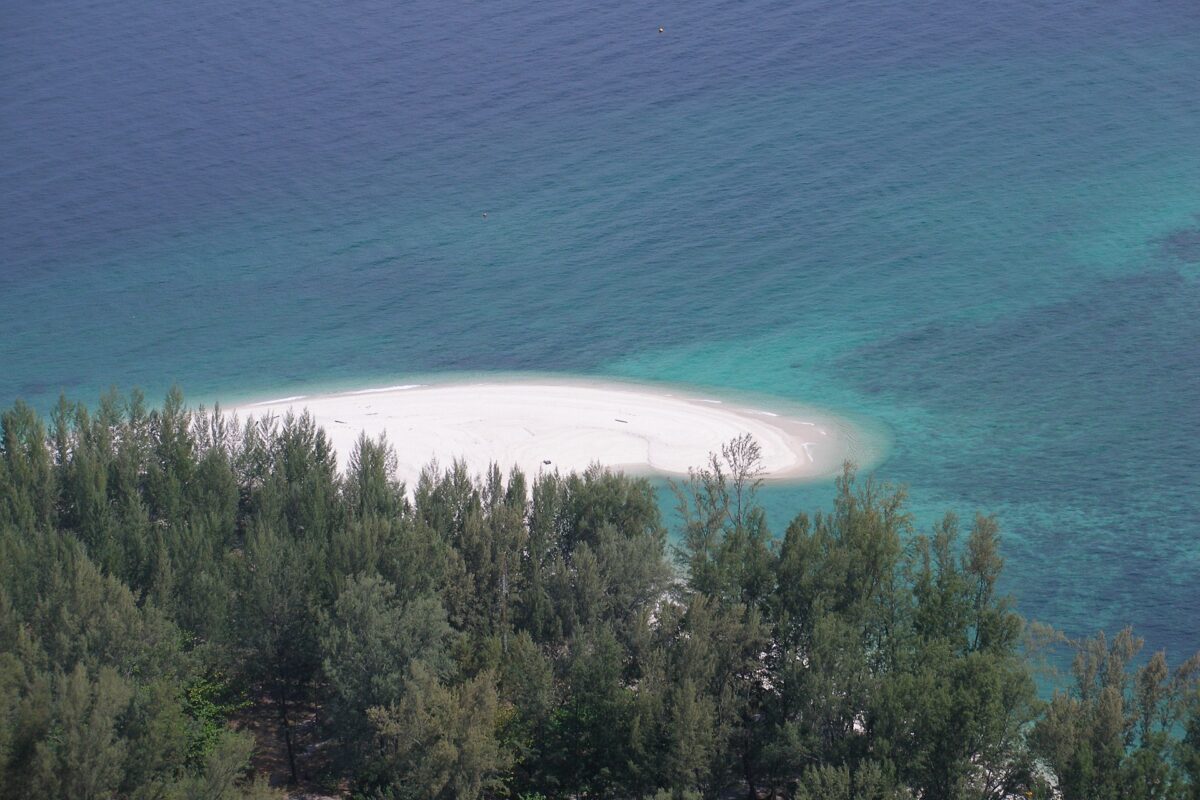
Day 4 – Discover Koh Lipe’s Underwater World
By now you’ve explored Koh Lipe on foot, paddled along its coastline and visited the nearby islands. Today is all about discovering what lies beneath the surface.
The waters around Koh Lipe are some of the best in the Andaman Sea, with colourful coral reefs, excellent visibility and abundant marine life.
Whether you dive or snorkel, this is one experience I wouldn’t skip.
If You Dive
Koh Lipe is one of Thailand’s top diving destinations, with dozens of dive centres offering trips for all experience levels.
If you’ve always wanted to learn, this is also an excellent place to complete your PADI Open Water certification or try a Discover Scuba Dive before committing to a full course.
Experienced divers can explore sites such as 8 Mile Rock, Stonehenge and the Yong Hua Shipwreck, each offering a very different underwater experience.
If You Prefer Snorkelling
A full-day snorkelling tour is the best way to explore reefs that are impossible to reach from the beach.
Most trips visit several locations around Tarutao National Marine Park, giving you the chance to experience a wider variety of coral and fish than you would by staying on Koh Lipe alone.
→ Related guide: Best Snorkeling on Koh Lipe
Compare snorkeling tours in Koh Lipe (routes, prices & availability)
If you want to secure a spot (especially in high season), it’s worth checking availability in advance – some of the best tours sell out quickly.
Evening
Spend your final evening enjoying everything that makes Koh Lipe special after sunset.
Walk along Walking Street, stop for dinner wherever catches your eye, enjoy a drink at one of the beach bars or watch a fire show on Pattaya Beach.
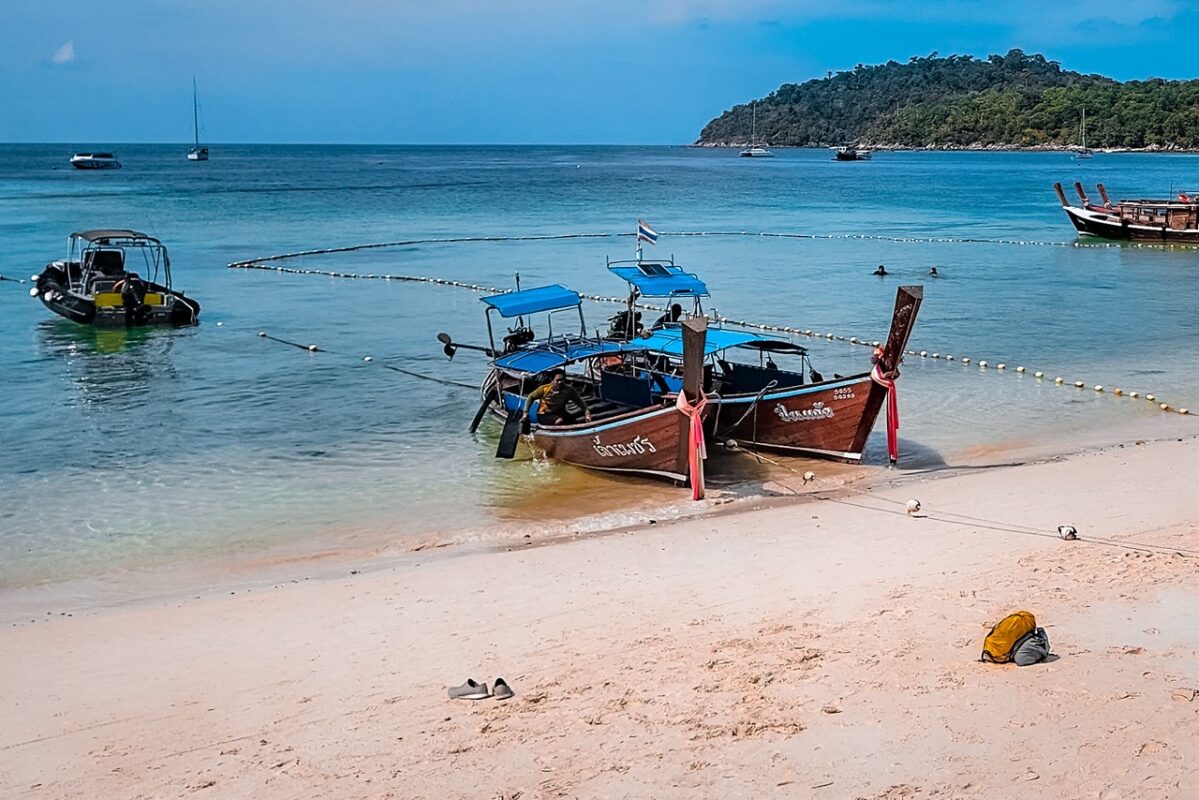
Planning to stay longer? My 5-Day Koh Lipe Itinerary includes extra hikes, beaches and day trips beyond this four-day route.
Koh Mook – 3 nights
Koh Mook offers a much quieter and less-developed experience than Koh Lipe.
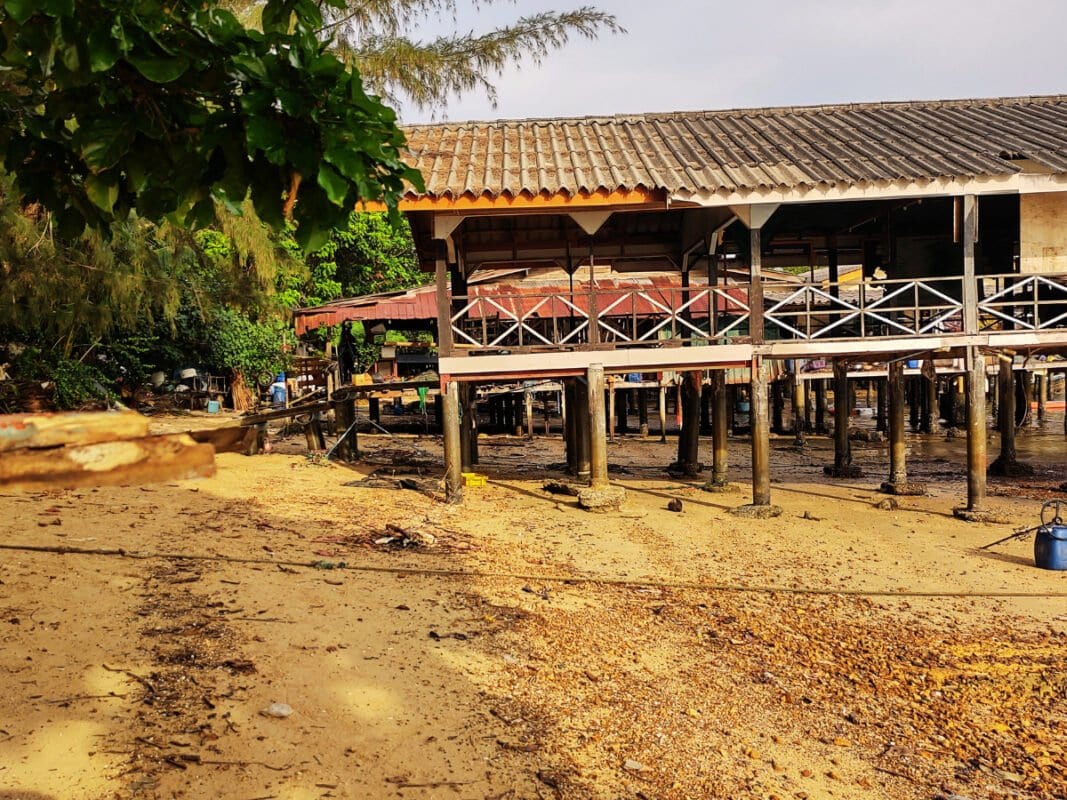
Much of the island is covered by jungle and rubber plantations, while the main village still feels closely connected to the local fishing community.
Three nights give you enough time to explore the island beyond the famous Emerald Cave, including its jungle paths, quieter beaches and nearby Koh Kradan.
→ Related guide: Why Koh Mook is one of the least-touristy islands in Thailand.
Where to Stay on Koh Mook
Koh Mook has a relatively small selection of resorts, guesthouses and bungalows, so accommodation choice matters more during busy periods.
Staying near the village is convenient for restaurants, local life and the pier.
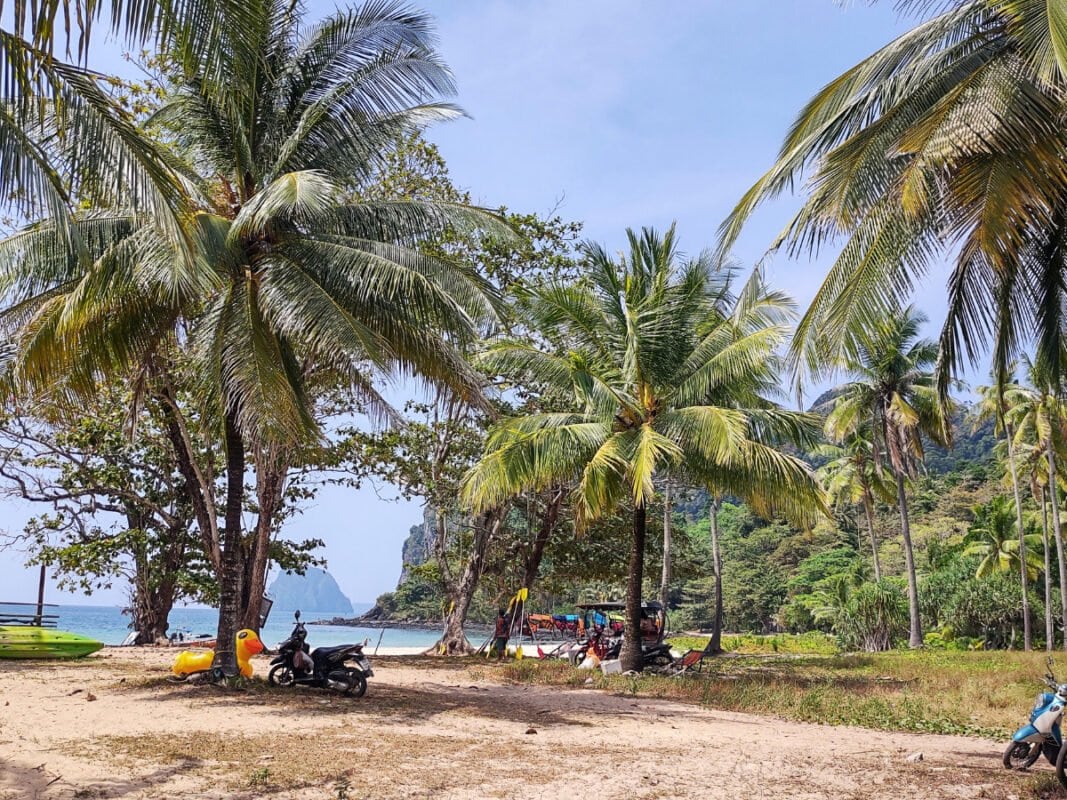
The west side of the island is better for Charlie Beach and sunset, while Sivalai Beach offers a quieter beachfront setting close to the village.
My Favourite Places to Stay on Koh Mook:
Day 5 – Arrive on Koh Mook, Explore the Fishing Village and Watch the Sunset
Take the morning speedboat from Koh Lipe to Koh Mook.
Depending on the route and sea conditions, you will usually arrive around midday, leaving enough time for a relaxed first afternoon.
→ Related guide: How to travel to Koh Mook
Afternoon
After checking in, explore the village near the pier.
This is one of the best places to get an immediate sense of how different Koh Mook feels from the more developed islands farther north and south.
Walk through the residential streets, browse the small local shops and stop for lunch at one of the family-run restaurants.
The village is compact, but it feels active and lived-in rather than built solely for tourists.
Later, make your way across the island to Charlie Beach, also known as Farang Beach.
The walk from the village takes roughly 30 minutes, although tuk-tuks are available if you prefer not to walk in the heat.
Sunset
Charlie Beach is one of Koh Mook’s best sunset spots.
You can relax on the sand, rent a kayak or paddle closer to the limestone coastline before returning to shore while there is still enough daylight.
Food and drink stalls near the beach make it easy to stay until sunset without planning a separate evening stop.
My tip: If you kayak late in the afternoon, stay close to the beach and return before dark. The coastline becomes much harder to judge once the light begins to fade.
Day 6 – Jungle Trails, Rubber Plantations and Koh Mook’s Wilder Beaches
Today is about exploring the quieter inland and western parts of Koh Mook.
Morning
Start early at Sivalai Beach, where the long sandbar and calm morning light create one of the island’s most scenic views. You can have breakfast nearby before heading inland.
From there, follow the paths through Koh Mook’s jungle and rubber plantations.
The island has several routes leading towards quieter beaches, viewpoints and less-visited areas away from the village.
The walks are not long by conventional hiking standards, but Koh Mook’s heat, humidity and uneven terrain can make them tiring.
Carry enough water, use insect repellent and avoid starting the steepest sections around midday.
Planning to Explore Koh Mook?
If you’re hiking through the jungle, visiting hidden beaches or spending the day away from the village, I always recommend travelling with insurance for extra peace of mind.
→ Check travel insurance for Thailand with EKTA
Afternoon
Continue towards the jungle viewpoint and Lo Dung Beach.
This side of the island feels much wilder, with rocky ground, muddy sections and mangroves rather than the soft sand found at Charlie Beach or Sivalai Beach.
Lo Dung is not necessarily the island’s best swimming beach, but the walk provides a much better understanding of Koh Mook’s landscape and why it feels so different from more heavily developed Thai islands.
After the hike, keep the rest of the afternoon flexible. Return to your accommodation, stop at a beach or spend some time in the village before dinner.
Evening
Koh Mook does not have a major nightlife scene, but the village has several restaurants that stay open into the evening.
It is a good place for an unhurried dinner and a walk near the pier before returning to your hotel.
Day 7 – Visit Emerald Cave and Snorkel Around Koh Kradan
Emerald Cave is Koh Mook’s most famous attraction, but timing has a major effect on the experience.
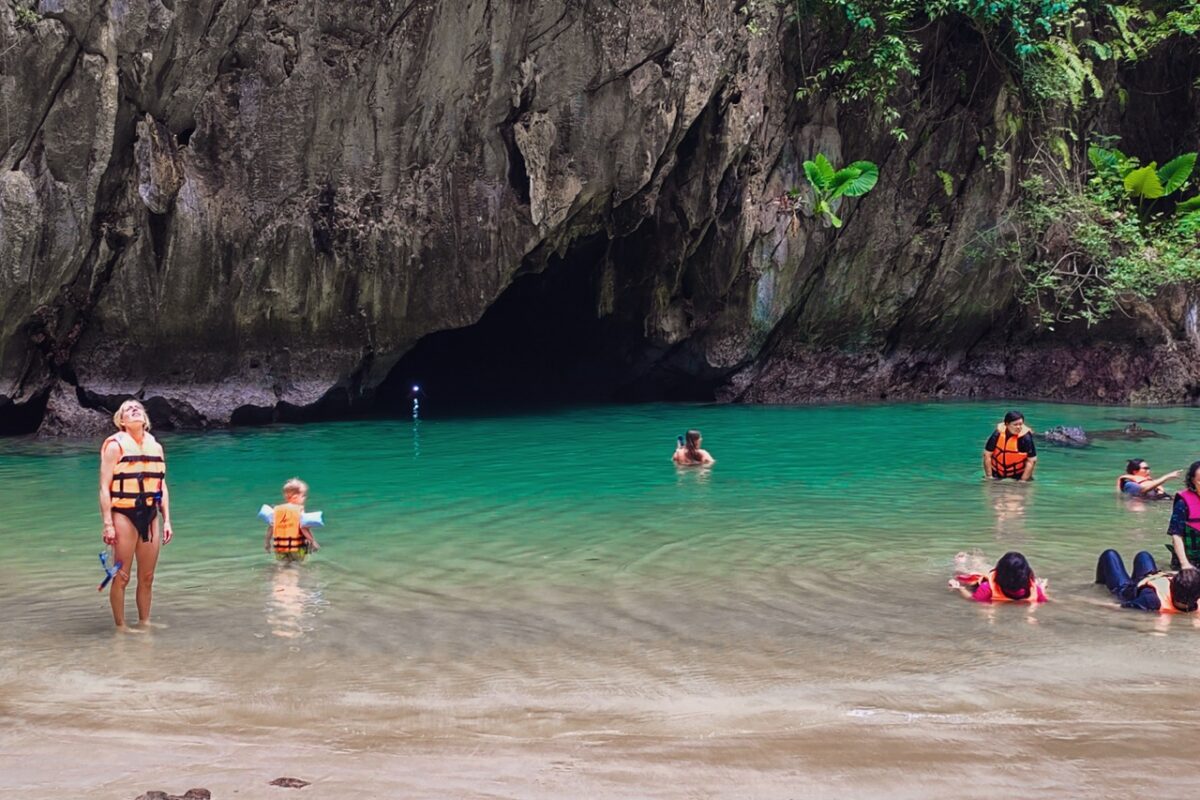
Large tour boats often arrive later in the morning, bringing groups that can quickly crowd the cave entrance and lagoon.
An early departure gives you a much better chance of experiencing it before the busiest period.
Morning
Hire a private long-tail boat or arrange a small tour through your accommodation or an agency in the village.
A private boat is the better choice when your budget allows because you can choose an earlier departure and spend more time at each stop instead of following a fixed group schedule.
To reach the hidden lagoon, you swim through a dark sea cave before emerging into an enclosed beach surrounded by limestone cliffs.
The swim is not especially long, but the cave is completely dark in places, so follow your guide and wear the life jacket provided.
→ Related guide: How to visit Emerald Cave on Koh Mook
Afternoon
Continue to Koh Kradan, which is known for clear water and some of the strongest snorkelling in the area.
Spend the afternoon swimming, snorkelling and relaxing on the beach before returning to Koh Mook. Depending on your boat arrangement, lunch may be included or available near the main beach.
Planning Your Emerald Cave Trip
Emerald Cave is much more enjoyable before the large tour groups arrive. I recommend arranging an early boat directly through your hotel or comparing available island tours before your visit.
Evening
For your final evening, return to Charlie Beach for sunset or stay closer to the village for dinner.
The restaurants near the pier are particularly good for fresh seafood and provide a lively but relaxed atmosphere without turning the island into a party destination.
Week 2: Koh Lanta and Koh Phi Phi
Koh Lanta – 5 Nights
After the small, walkable islands of Koh Lipe and Koh Mook, Koh Lanta feels like a completely different kind of destination.
It is the largest island on this route, with beaches, caves, mangroves, national parks and local communities spread across a long coastline.
Five nights give you enough time to explore different parts of the island without spending every day rushing from one end to the other.
Koh Lanta still has a relaxed atmosphere, but getting around requires more planning.
Renting a scooter or car gives you the most freedom, while tuk-tuks, taxis and organised tours are better options if you do not want to drive.
→ Related guides:
My Favourite Places to Stay on Koh Lanta:
Day 8 – Arrive on Koh Lanta, Explore the National Park and Watch the Sunset at Bamboo Beach
The speedboat from Koh Mook to Koh Lanta usually takes around an hour and arrives at the Saladan Pier in the north of the island.
A combined ticket that includes the boat and a transfer to your accommodation is usually the easiest option.
Koh Lanta is too large to explore comfortably on foot, so arrange your transport before planning the rest of the day.
I chose to explore independently because I enjoy stopping whenever somewhere catches my attention.
Renting a scooter gives you the most flexibility, but only do this if you are already confident riding. Otherwise, rent a car or arrange a tuk-tuk or private driver.
At the time of my visit, Grab and Bolt were not available on Koh Lanta, so I would not rely on them as your transport plan.
→ Related guides:
Afternoon – Mu Ko Lanta National Park
After checking in, drive towards Mu Ko Lanta National Park at the southern end of the island.
The journey itself is part of the experience. The road follows the coast through quieter beaches, forest and some of Koh Lanta’s least-developed areas.
Inside the park, walk up to the lighthouse viewpoint for views across the coastline, then follow the Laem Tanod Forest Trail. The loop takes roughly an hour and is relatively manageable, although the heat and humidity can make even a short hike feel tiring.
Bring water and insect repellent, and keep an eye on your belongings around the monkeys.
Because this is an arrival day, I would not try to fit anything else major into the afternoon. The drive south, national park and forest trail are enough after changing islands.
→ Related guide: Where to stay on Koh Lanta
Sunset – Bamboo Beach
On the way back, stop at Bamboo Beach, also known as Had Mai Phai. This is one of the quieter beaches in southern Koh Lanta.
Reaching it requires leaving the main road and following a rougher track, but the setting feels much more secluded than the beaches farther north.
The seabed can be rocky, so it is not always the best place for swimming. I think its real appeal is the scenery and peaceful atmosphere.
There are a couple of simple beach bars where you can order food or a drink and stay for sunset before beginning the drive back to your accommodation.
My tip: Allow enough time to leave before the road becomes completely dark, especially if you are riding a scooter. The southern roads are quiet and some sections are poorly lit.
→ Related guide: Best time to Visit Koh Lanta

Day 9 – Kayak Through the Mangroves, Explore Mai Kaeo Cave and Relax on the West-Coast Beaches
Your first full day on Koh Lanta combines two of the island’s most interesting landscapes: the mangroves on the east coast and the caves and beaches farther south.
It is an active day, so start early and leave the evening flexible.
Morning – Kayaking at Tung Yee Peng
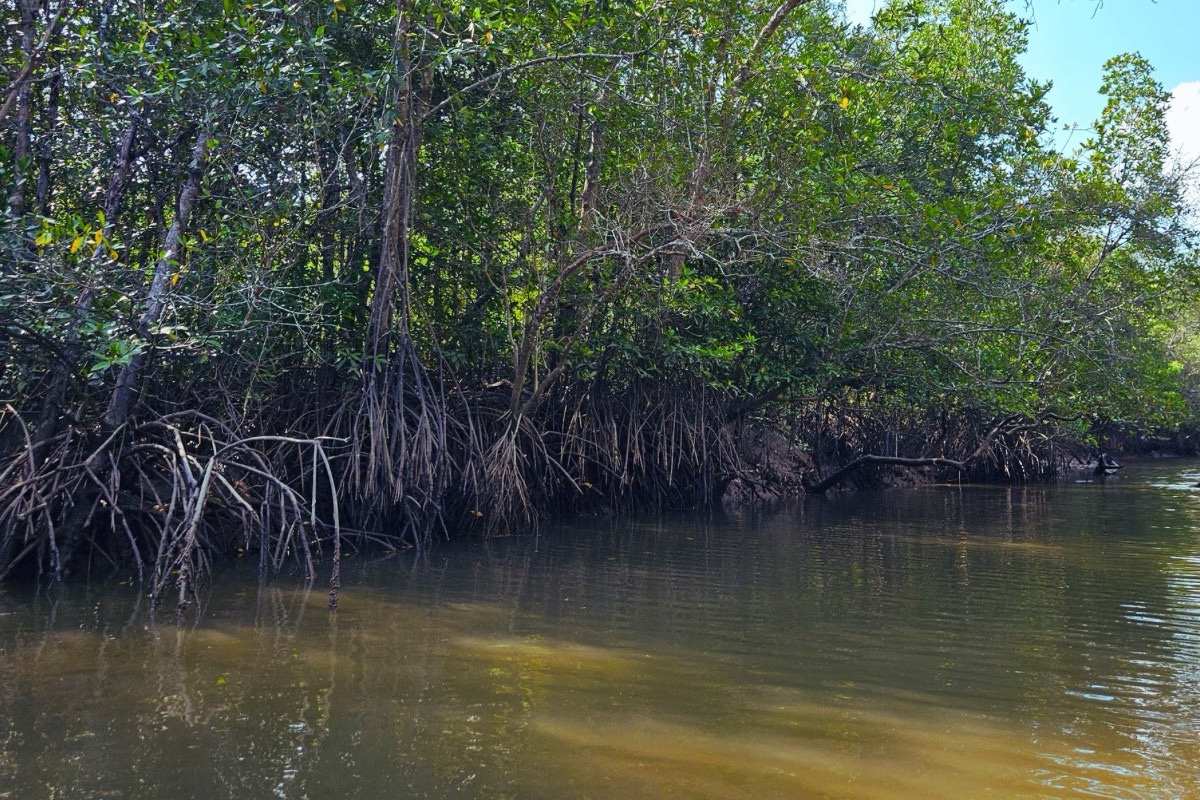
Begin with a kayaking trip through the Tung Yee Peng Mangrove Forest.
Morning is the best time to go because temperatures are cooler and wildlife is generally more active.
The narrow waterways are calm and peaceful, and paddling lets you explore parts of the forest that are difficult to reach on foot.
You can arrange the trip directly through the local community or book a tour that includes hotel transport.
The organised option may be more convenient if you are staying on the opposite side of the island without a scooter.
My Tip: Monkeys sometimes approach the kayaks, so avoid carrying visible food and keep loose belongings secured.
Afternoon – Mai Kaeo Cave
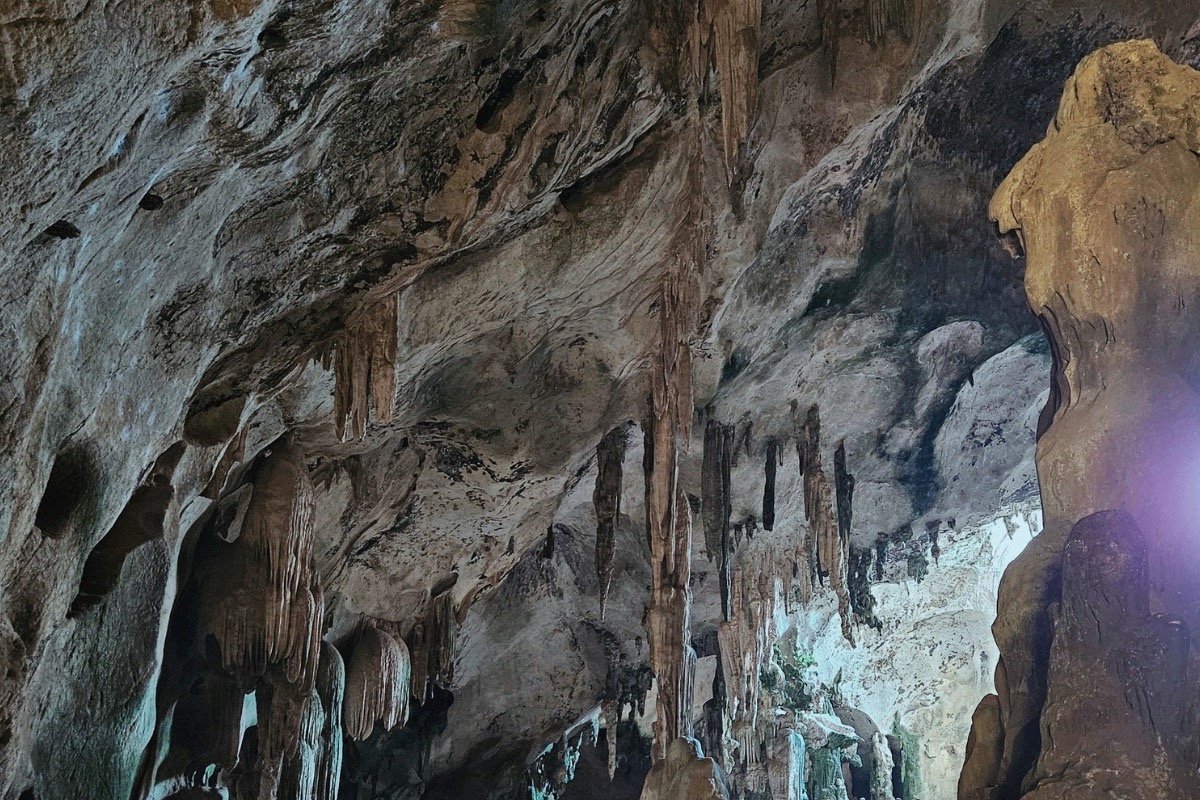
In the afternoon continue to Mai Kaeo Cave, hidden within the jungle in central Koh Lanta.
Visiting the cave requires a local guide, which you can arrange at the entrance.
This is not a simple walk through a brightly lit tourist cave. Reaching the chambers involves hiking through the forest, descending steep sections and using ropes in places.
Inside, expect darkness, narrow passages, large rock formations and possibly bats. Wear proper shoes and clothes you do not mind getting dirty.
I found jungle trekking and cave exploration far more adventurous than I expected, but it may not suit anyone who is uncomfortable with confined spaces, steep drops or uneven terrain.
→ Related guide: Top Adventurous Experiences in Southern Thailand
Planning to Hike or Explore?
Whether you’re hiking jungle trails or exploring remote beaches, I always recommend travelling with insurance. It’s something you hope never to use, but you’ll be glad to have if something goes wrong.
Late Afternoon – Kantiang Bay and Nui Beach
After the cave, keep the rest of the day relaxed and follow the west coast towards Kantiang Bay and Nui Beach.
Kantiang Bay is broad, scenic and easier to access, making it a good place to swim or stop for a late lunch.
Nui Beach is smaller and more hidden, reached through the area beside Diamond Cliff Restaurant.
You could also stop at Klong Khong Beach on the way back if it is close to your accommodation, but I would not try to spend meaningful time at all three beaches.
Koh Lanta’s coastline is long, and turning the afternoon into a race between beaches would take away from the experience.
Choose one or two depending on your route and how tired you feel after the cave.
→ Related guide: Best Beaches on Koh Lanta
Evening
After kayaking, hiking and cave exploration, I would keep the evening simple.
Stay for sunset at whichever beach you choose, then have dinner nearby rather than driving across the island again.
Koh Lanta is most enjoyable when you leave enough space to stop somewhere unexpectedly instead of treating every day as a checklist.
Day 10 – Visit Koh Por, Koh Bubu and Koh Lanta Old Town
Today combines one of Koh Lanta’s least-visited island trips with one of its most interesting cultural areas.
While most visitors spend every day on the west coast beaches, I think this itinerary gives you a much better feel for a different side of Koh Lanta.
Morning – Koh Por and Koh Bubu
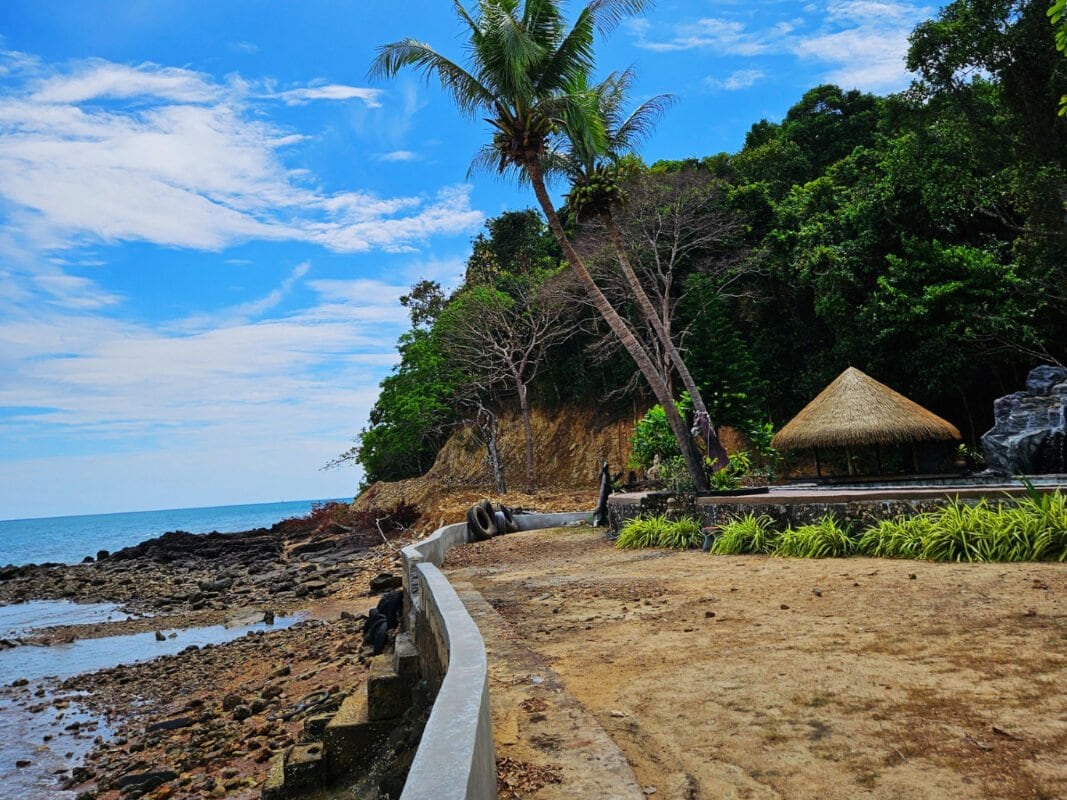
Start the day with a boat trip to Koh Por and Koh Bubu, two quiet islands just off Koh Lanta’s east coast.
Koh Bubu is completely uninhabited, making it a peaceful place to swim, relax and enjoy the scenery away from the busier beaches.
Koh Por offers something completely different. A small local community still lives here, with family-run homestays and restaurants.
You can also join a traditional fishing trip with local fishermen or even stay overnight to experience island life at a slower pace.
My Tip: This isn’t one of Koh Lanta’s best-known excursions, so I’d ask your accommodation to arrange the trip or book it through a local agency after arriving on the island.
Stay Connected in Thailand. Skip SIM cards and get instant data access with an eSIM before you arrive.
Afternoon – Koh Lanta Old Town
Spend the afternoon exploring Koh Lanta Old Town, one of my favourite places on the island.
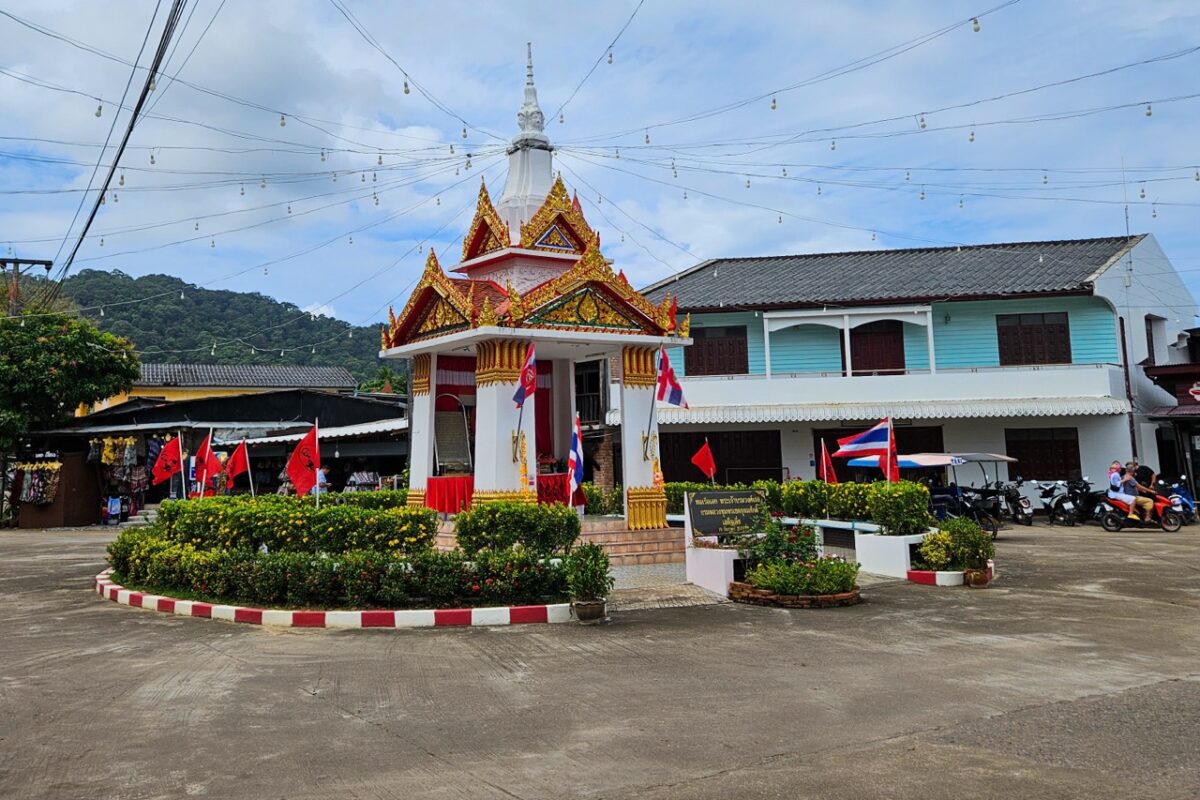
Unlike the beach resorts along the west coast, Old Town feels much more local. Traditional wooden houses stand on stilts above the water, many now home to cafés, restaurants, small shops and galleries.
Take your time wandering along the waterfront, browse the independent shops and stop for fresh seafood overlooking the sea.
Before leaving, walk out along the fishing pier and visit the small Community Museum if you’re interested in learning more about the island’s history.
→ Related guide: Is Koh Lanta Old Town Worth Visiting
Evening
Old Town is one of my favourite places on Koh Lanta for dinner.
After the day trips have finished, the waterfront becomes much quieter, making it a great place to enjoy fresh seafood before heading back to your accommodation.
Day 11 – Meet Koh Lanta’s Wildlife
After several days of hiking, kayaking and road trips, today is slower but no less rewarding.
Koh Lanta is home to one of Thailand’s best ethical elephant sanctuaries, as well as an animal welfare centre that has become one of the island’s most respected conservation projects.
Visiting both supports organisations working to protect animals rather than exploit them.
I recommend booking both visits at least a day in advance, especially during the high season.
Morning – Koh Lanta Animal Welfare
Start the morning at Koh Lanta Animal Welfare, where guided tours begin around 10:00.
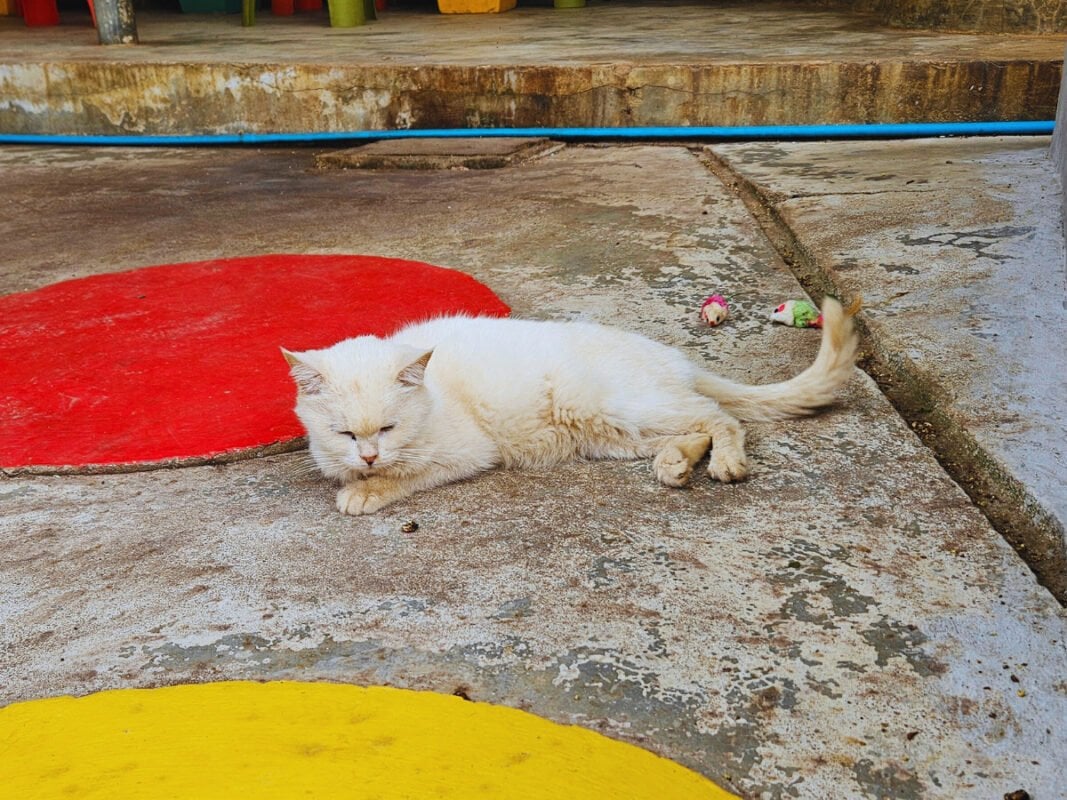
The centre rescues homeless, injured and abused dogs and cats from Koh Lanta and nearby islands while promoting responsible animal welfare across the region.
The guided visit lasts around two hours and explains the shelter’s work before giving you time to meet a group of friendly cats living in the shelter..
Even if you don’t usually visit animal shelters while travelling, I found this one genuinely worthwhile because your visit directly supports the organisation’s work.
Afternoon – Following Giants Elephant Sanctuary
In the afternoon, visit Following Giants, one of the few elephant sanctuaries in Thailand that focuses entirely on observation rather than interaction.
There is no bathing, feeding or riding the elephants.
Instead, small groups follow them through the forest while learning about elephant behaviour, conservation and the challenges facing captive elephants in Thailand.
The walk also passes through beautiful jungle and natural surroundings, making it feel more like a nature experience than a traditional tourist attraction.
I appreciated that the sanctuary lets the elephants behave naturally rather than encouraging close contact simply for photographs.
My Tip: Book the afternoon session rather than trying to fit both visits too closely together. It creates a much more relaxed day and gives you enough time to enjoy each experience.
Day 12 – Sea Caves, Kayaking and Koh Lanta’s Wild East Coast
Your final full day combines one last adventure on the water with a road trip along one of Koh Lanta’s least-visited coastlines.
Morning – Koh Talabeng and Koh Phee
Join a half-day tour to Koh Talabeng and Koh Phee, two small limestone islands off Koh Lanta’s east coast.
Most tours include hotel pick-up and combine several activities into one trip, including kayaking beneath limestone cliffs, exploring sea caves, swimming and short walks around the islands.
The trip usually lasts around five hours and offers a completely different landscape from Koh Lanta’s west coast beaches.
If you have a spare day here, compare the best day trips from Koh Lanta before adding another island to your route.
Compare Ko Tabaleng tours (routes, prices & availability)
If you want to secure a spot (especially in high season), it’s worth checking availability in advance – some of the best tours sell out quickly.
Afternoon – Road Trip to Pirate Bay
After returning to Koh Lanta, spend the afternoon driving along the island’s quieter east coast.
Unlike the busier west coast, this side of the island receives far fewer visitors and feels much more rural.
Finish at Pirate Bay, a small beach with dramatic red rocks, a relaxed beach bar and beautiful views across the sea.
This isn’t the best swimming beach on Koh Lanta, but it’s one of my favourite places to slow down for an hour, enjoy the scenery and finish the day somewhere much quieter than the island’s main beaches.
→ Related guide: How to Do a Road Trip on Koh Lanta
Evening
For your final evening on Koh Lanta, choose whatever you’ve enjoyed most during your stay.
If you’re staying on the west coast, Klong Khong has plenty of beachfront bars and restaurants.
Old Town is a great choice if you prefer fresh seafood in a quieter setting, while Saladan Pier area has a small night market that’s worth visiting if you’re nearby.
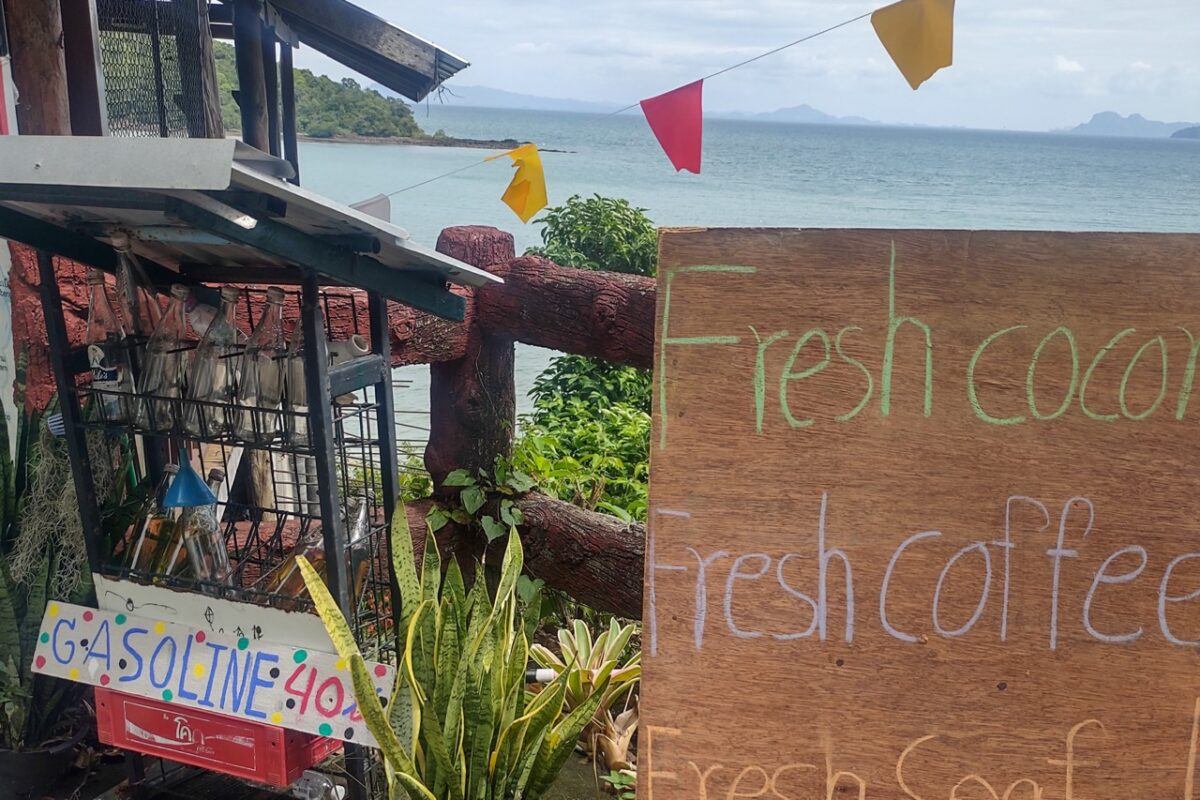
Koh Phi Phi Don – 2 Nights (4 nights in total)
Koh Phi Phi is one of Thailand’s most famous islands, but also one of its most misunderstood.
Many people only visit Maya Bay on a day trip or spend a single night before moving on. That usually means experiencing the busiest streets near the pier and assuming that’s all the island has to offer.
My opinion completely changed after staying longer.
Beyond the crowds are jungle trails, hidden beaches, spectacular viewpoints and quieter corners of Phi Phi Don that many people never reach.
Four nights give you enough time to explore both Phi Phi Don and Phi Phi Leh without feeling like you’re constantly rushing from one tour to the next.
From more details read my Complete Koh Phi Phi Guide.
Day 13 – Arrive on Koh Phi Phi and Hike to the Viewpoints
The ferry from Koh Lanta to Koh Phi Phi takes around an hour and arrives at Tonsai Pier, the island’s main transport hub.
Unlike Koh Lanta, there are no rental cars or scooters here. Almost everything is explored on foot, with long-tail boats connecting the more remote beaches.
→ Related guide: How to Travel to Koh Phi Phi
My Favourite Places to Stay on Koh Phi Phi:
Afternoon – Tonsai Village and Loh Dalum Beach
After checking in, spend the afternoon getting familiar with the centre of the island.
Tonsai Village is the busiest part of Koh Phi Phi, filled with restaurants, cafés, dive shops, tour operators and small streets that become increasingly lively as the day goes on.
A few minutes away is Loh Dalum Beach where the shallow turquoise water makes it one of the island’s most popular beaches for swimming and relaxing before the evening crowds arrive.
As the sun goes down, the atmosphere changes again. Beach bars, fire shows and music turn Loh Dalum into the centre of Koh Phi Phi’s nightlife.
One thing I quickly realised is that the busiest part of Koh Phi Phi is actually quite small.
Walk just a little farther from the centre and the atmosphere changes surprisingly quickly.
→ Related guide: 23 Pros and Cons for Visiting Koh Phi Phi
Late Afternoon – Hike to the Phi Phi Viewpoints
In the late afternoon, make your way to the famous Phi Phi Viewpoints.
The trail starts just outside the centre of Tonsai and climbs around 300 steps to the island’s best panoramic viewpoint.
Along the way, you’ll pass two viewpoints before reaching the highest one, where the famous view across Tonsai Bay and Loh Dalum Bay opens up.
Standing here also gives you a completely different perspective of Koh Phi Phi.
From above, it’s much easier to appreciate how narrow the island is and why the two bays have become one of Thailand’s most photographed landscapes.
I deliberately recommend hiking to the viewpoints on your arrival day rather than waiting until later.
It introduces you to the island, helps you understand its layout and immediately shows that Koh Phi Phi is much more than the busy streets around the pier.
My tip: Sunset is the most popular time to visit, so expect plenty of people. If you prefer a quieter experience, come back early one morning later in your stay.
After sunset, head back into Tonsai Village for dinner.
Whether you want beachfront cocktails, live music, local Thai food or a quieter restaurant away from the busiest streets, you’ll have no shortage of options.
If you’re curious about Koh Phi Phi’s nightlife, tonight is a good opportunity to experience it without committing to a late night before tomorrow’s adventures.
→ Related guide: Where to stay on Koh Phi Phi
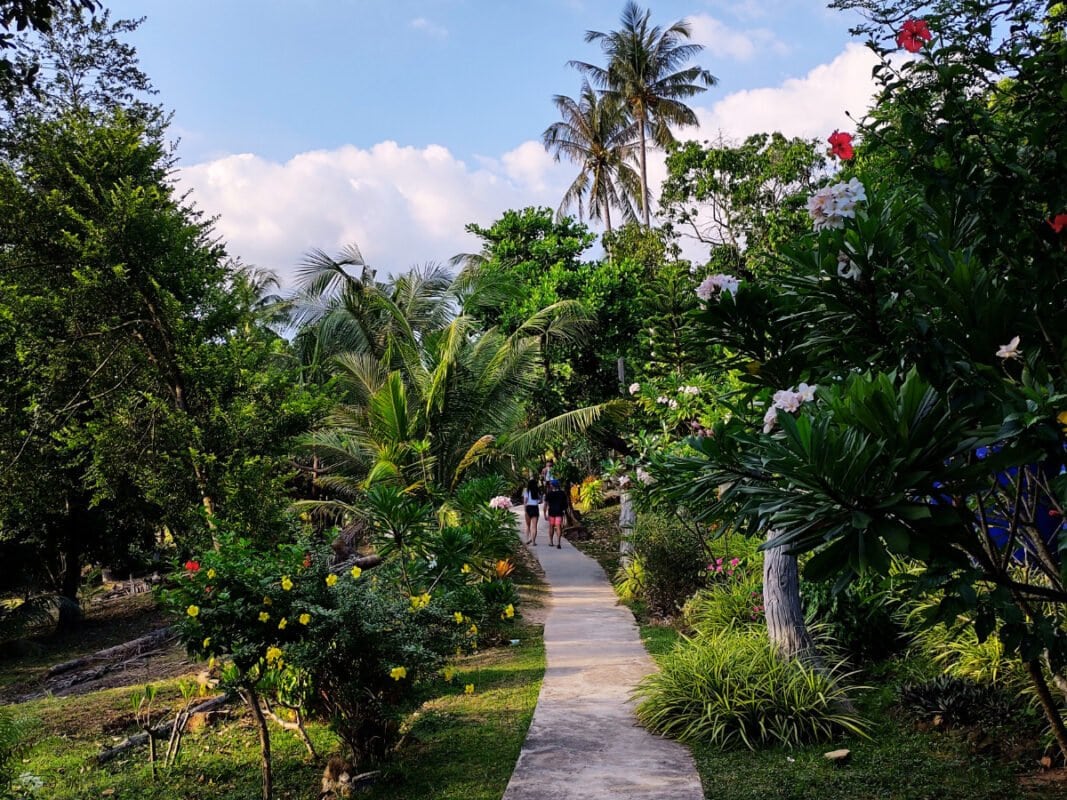
Day 14 – Coastal Hike to Long Beach, Shark Point and Hidden Beaches
Today is one of my favourite days on Koh Phi Phi.
Most visitors leave the island thinking it’s all about Maya Bay and nightlife, but this hike shows a completely different side of Phi Phi Don.
You’ll spend the day walking between hidden beaches, snorkelling straight from the shore and discovering places that many day-trippers never reach.
→ Related guide: Coastal Hike to Long Beach (Haad Yao) on Koh Phi Phi
Morning – Hike to Long Beach and Shark Point
Start early before the heat builds. The trail from Tonsai Village to Long Beach follows the coastline, passing limestone cliffs, jungle sections and several small beaches along the way.
The hike isn’t particularly long, but there are a few steep staircases and short section with ropes to help on uneven ground.
Comfortable shoes and plenty of water make the walk much more enjoyable.
Although it’s tempting to stop at every beach, I’d continue to Long Beach first while the sea is calmer and underwater visibility is usually at its best.
Long Beach is one of the best places on Koh Phi Phi to snorkel directly from the shore.
Just offshore is Shark Point, where blacktip reef sharks are regularly seen cruising through the shallow water.
They’re naturally shy and harmless to people, but always give them space and avoid chasing them.
If you prefer not to swim all the way out, you can also rent a kayak and paddle towards the snorkelling area.
→ Related guide: Shark Point Koh Phi Phi: How to See Blacktip Reef Sharks
Afternoon – Viking Beach and Loh Moo Dee
On the way back, slow the pace and enjoy some of the beaches you passed earlier.
Viking Beach is one of my favourite stops. It has plenty of shade, a relaxed beach bar and good snorkelling close to shore, making it an easy place to spend an hour without feeling rushed.
Stay Connected Thailand. Skip SIM cards and get instant data access with an eSIM before you arrive.
If you still have the energy, continue to Loh Moo Dee Beach on the opposite coast. It’s much quieter than the beaches near Tonsai, with soft sand, clear water and very few facilities beyond a small beach bar.
Rather than trying to see every beach in one afternoon, I’d simply stop wherever you feel like staying a little longer.
That’s one of the biggest advantages of spending several nights on Koh Phi Phi instead of visiting on a day trip.
→ Related guide: Best Beaches on Koh Phi Phi
Evening – Hippies Bar
Before heading back into Tonsai Village, stop at Hippies Bar on Long Beach.
After a full day of hiking and snorkelling, it’s a great place to slow down with a drink, listen to live music and watch the sun begin to set before walking back to town.
If you still have energy later in the evening, you can always return to Tonsai, but I found this a much more relaxed way to finish the day.

Week 3: Koh Phi Phi and Krabi Town/Aon Nang Area
Koh Phi Phi Don – 2 Nights
Day 15 – Maya Bay, Bamboo Island and Phi Phi Leh
After spending two days exploring Phi Phi Don, today is finally the time to visit Phi Phi Leh.
Most visitors experience Koh Phi Phi in the opposite order. They rush through Maya Bay on a day trip and leave without ever discovering Phi Phi Don.
I think staying several nights gives you a much better balance between the famous highlights and the quieter side of the islands.
→ Related guide: Best Snorkeling Spots on Koh Phi Phi
Morning – Maya Bay
Start as early as possible.
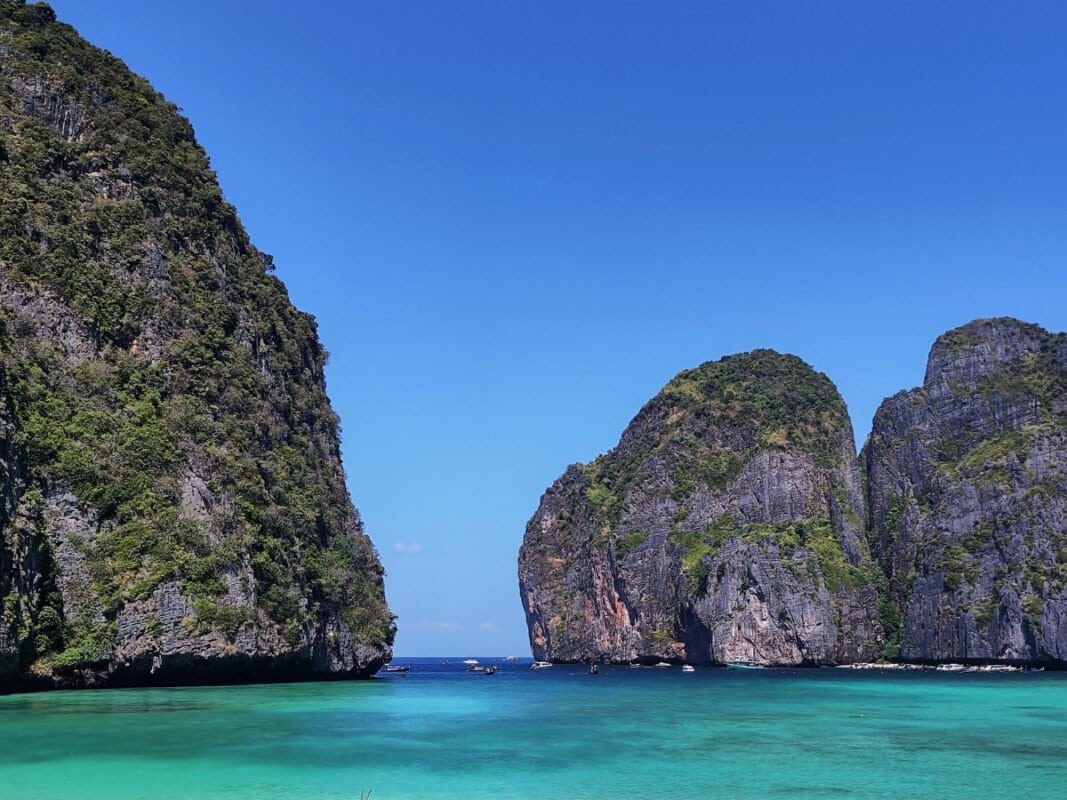
Maya Bay is one of Thailand’s most famous beaches, and arriving before the largest tour groups makes a huge difference to the experience.
You can join a group tour or hire a private long-tail boat.
I prefer the second option if your budget allows, as it gives you much more flexibility and avoids feeling like you’re constantly moving from one stop to the next.
Remember that swimming inside Maya Bay is not allowed to help protect the recovering coral ecosystem, but simply standing on the beach surrounded by towering limestone cliffs is still impressive.
→ Related guide: How to Visit Famous Maya Bay on Koh Phi Phi
Afternoon – Bamboo Island and Snorkelling
After leaving Maya Bay, most tours continue around Phi Phi Leh, stopping at places such as Pileh Lagoon, Viking Cave and Monkey Beach before heading to Bamboo Island.
Bamboo Island feels completely different from Maya Bay. Instead of dramatic cliffs and crowds, you’ll find an open stretch of white sand surrounded by clear turquoise water.
Most tours also include several snorkelling stops, making this one of the busiest but most rewarding days of the itinerary.
By the time you return to Phi Phi Don, you’ll probably be ready for a slower evening rather than another packed schedule.
Compare Maya Bay tours (routes, prices & availability)
If you want to secure a spot (especially in high season), it’s worth checking availability in advance – some of the best tours sell out quickly.
My Tip: If you’re prone to seasickness, don’t forget to take medication before leaving the pier rather than waiting until the boat is moving.
Sea conditions around Phi Phi can change quickly, and from my experience waves can be rough even during the calmest months.
Day 16 – Hike to Loh Ba Kao, Nui Beach and Laem Tong
Today is time for my favourite hike on Koh Phi Phi.
While yesterday we focused on the island’s most famous attractions, today’s route takes you through jungle trails, quiet villages and beaches that many visitors never reach.
→ Related guide: Best Hikes on Koh Phi Phi
Morning – Loh Ba Kao Bay
Start early and head towards Loh Ba Kao Bay.
You can reach it either through the Viewpoints or by following the quieter coastal trail from Loh Dalum. Or like me try hiking both trails!
Planning to Hike or Explore?
Whether you’re hiking jungle trails or exploring remote beaches, I always recommend travelling with insurance. It’s something you hope never to use, but you’ll be glad to have if something goes wrong.
The path passes through jungle, rocky coastline and several peaceful sections before reaching Loh Ba Kao Bay around an hour later.
Unlike Tonsai Village, this side of the island feels surprisingly quiet.
A small village, a handful of restaurants and one large resort are spread along the bay, giving it a completely different atmosphere from the busy centre.
If you have time, you can rent a kayak and explore the mangroves at the northern end of the beach before continuing the hike.
→ Related guide: Jungle Hike to Loh Ba Kao Bay on Koh Phi Phi
Afternoon – Loh Lana, Nui Beach and Laem Tong
From Loh Ba Kao, continue towards Loh Lana Bay and Nui Beach.
Loh Lana often feels almost deserted, while reaching Nui Beach requires a little more effort through the jungle. The reward is one of the most beautiful beaches on Phi Phi Don, surrounded by limestone cliffs and clear turquoise water.
After relaxing here, continue north towards Laem Tong Beach, the island’s northernmost developed area.
From there, follow the final path to the northern tip of Phi Phi Don before catching a taxi boat back to Tonsai.
This saves you from repeating the entire hike and lets you enjoy one last view of the island from the sea.
For taxi boats, bring cash and check the departure times before setting off. Missing the last boat means either arranging an expensive private transfer or hiking all the way back.
My Tip: Bring enough cash for snacks and water along the way or the return taxi boat from Laem Tong. There are very few places to withdraw money once you leave Tonsai Village.
→ Related guide: Best Time to Visit Koh Phi Phi
Evening
Spend your final evening however you enjoyed Koh Phi Phi most.
If you loved the social atmosphere, head back to Loh Dalum for beach bars, live music or Muay Thai match.
If you prefer something quieter, have dinner near Tonsai Pier or return to one of the beachfront bars you discovered earlier in the trip.
Still deciding whether to include Koh Phi Phi or Koh Lipe? Read my detailed comparison before finalising your route.
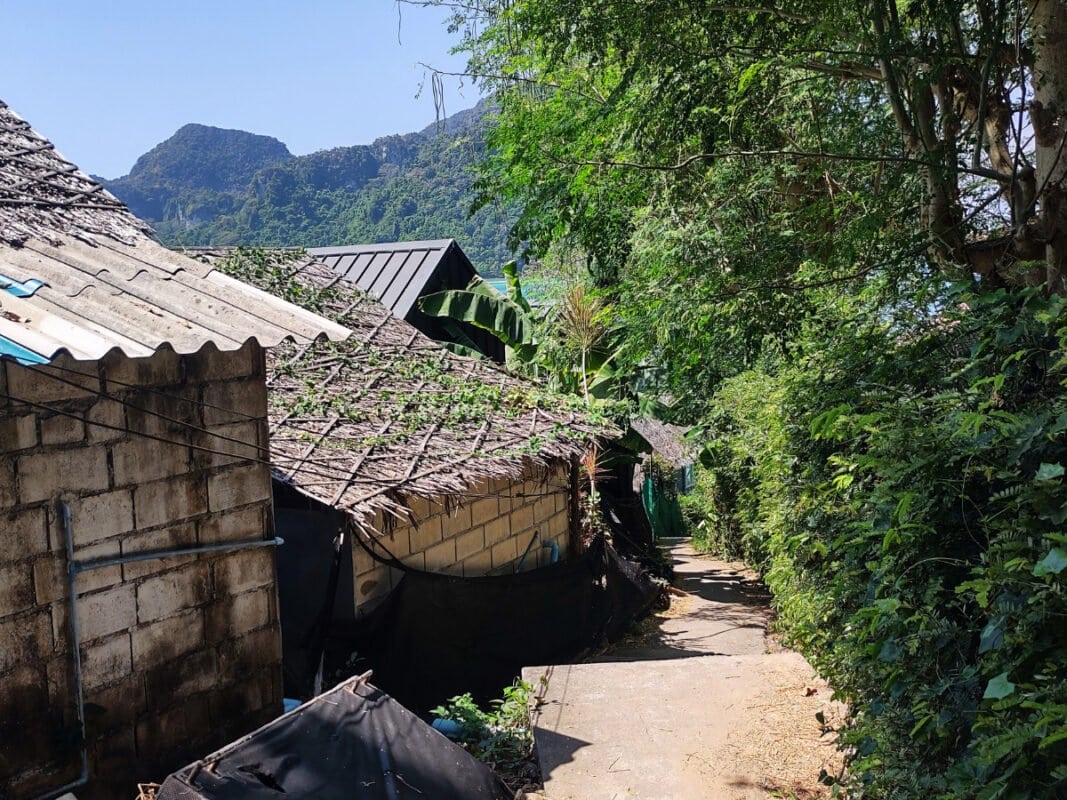
Krabi (Ao Nang or Krabi Town) – 5 Nights
After more than two weeks of island hopping, it is time to move onto the mainland, but the adventure is not over yet.
Krabi works as a base for exploring mangrove forests, temples, limestone caves, Railay Beach, mountain trails and nearby islands.
Five nights give you enough time to experience both the coast and the mainland without squeezing every excursion into consecutive days.
Most people stay in either Ao Nang or Krabi Town, around 20–30 minutes apart by road.
I chose to stay in Krabi Town. After visiting several islands, I did not need to base myself beside another beach, and I preferred its accommodation choices and less-touristy atmosphere.
For me it was also a convenient starting point for exploring Krabi’s mainland attractions.
My Favourite Places to Stay in Krabi:
Day 17 – Arrive in Krabi and Explore the Riverfront
The ferry from Koh Phi Phi usually arrives around midday, leaving enough time to check into your accommodation before heading out for a relaxed afternoon around Krabi Town.
Unlike the islands you’ve visited so far, Krabi is much more spread out.
Over the next few days you’ll be exploring different parts of the province, so you’ll need to rely on Grab, taxis or your own scooter or car to get around.
I rented a scooter because I enjoy exploring independently, but only do this if you’re already confident riding.
Otherwise, Grab works well around Krabi, and taxis are easy to arrange.
→ Related guide: Guide to Renting a Scooter in Thailand
Afternoon – Wat Kaew Korawaram and the Krabi River
Start at Wat Kaew Korawaram, one of Krabi Town’s most recognisable temples.
Unlike many of Thailand’s colourful temples, this one stands out for its striking white architecture and peaceful hilltop setting overlooking the town.
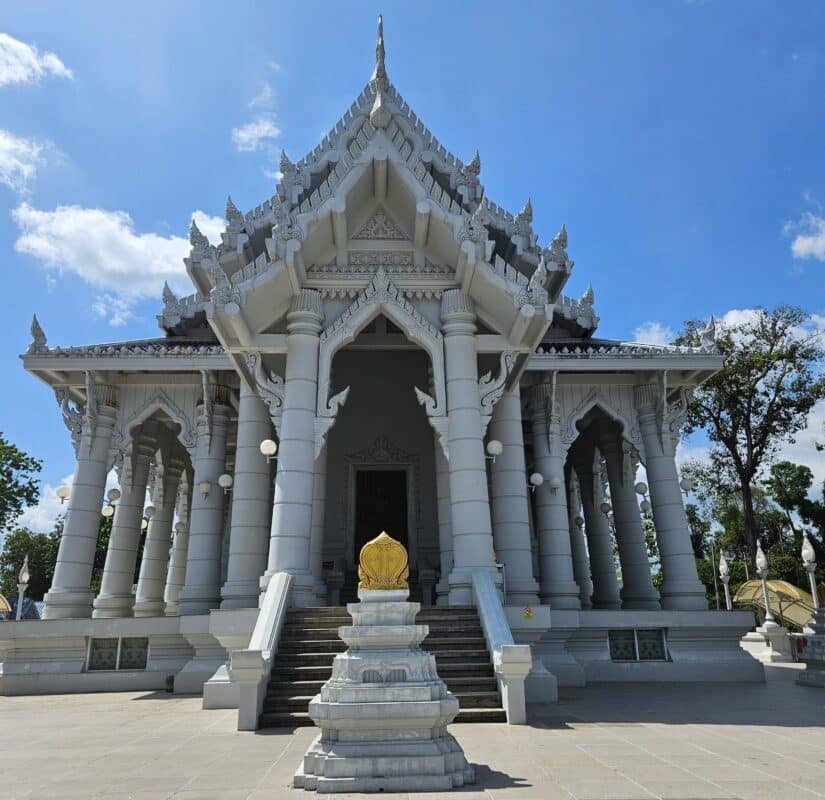
It’s a nice introduction to Krabi before moving towards the river.
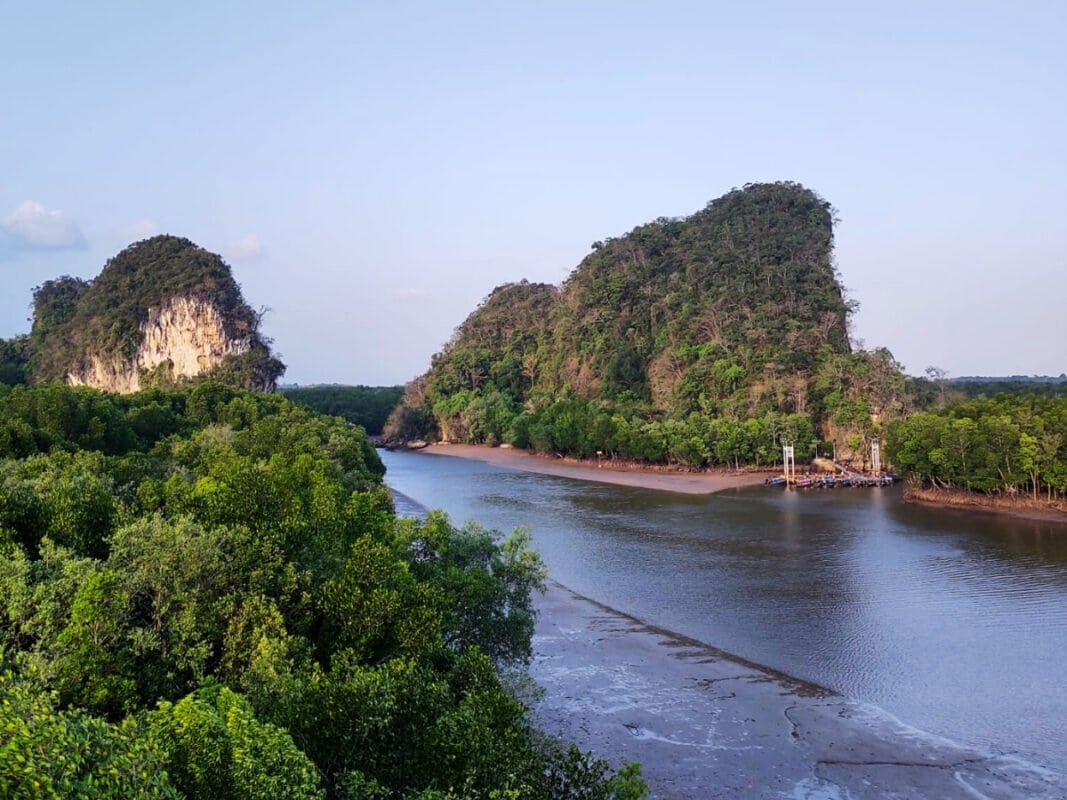
Next we will walk through the Krabi Mangrove Urban Forest, an elevated boardwalk winding through mangroves just a few minutes from the town centre.
The trail is short but surprisingly peaceful, and the observation tower offers great views across the river towards the dramatic limestone cliffs that make Krabi so distinctive.
Continue to the nearby pier, where small boats take visitors across the river to Khao Khanab Nam.
Stay Connected Thailand. Skip SIM cards and get instant data access with an eSIM before you arrive.
Late Afternoon – Khao Khanab Nam
The twin limestone cliffs of Khao Khanab Nam are one of Krabi’s best-known landmarks.
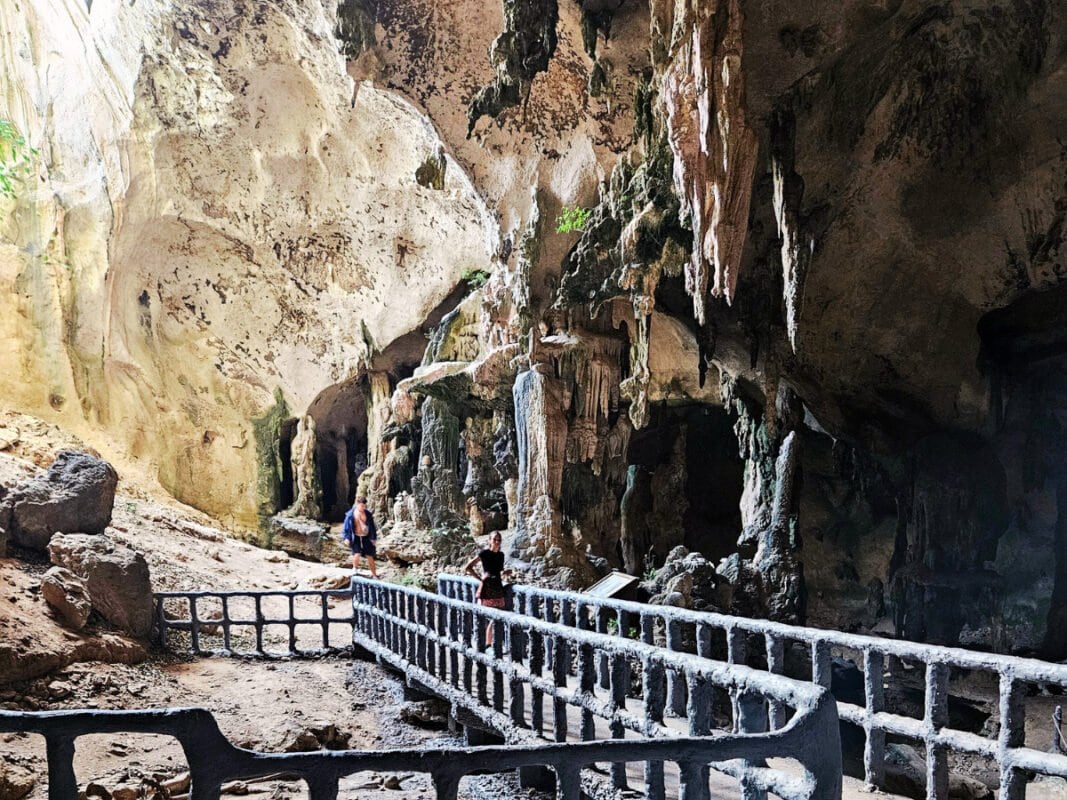
A short boat ride brings you to the cave hidden inside the cliffs, where you’ll find impressive stalactites, stalagmites and an eerie giant skeleton display.
Even if caves aren’t normally your thing, the boat ride through the mangroves and river scenery is worth the visit on its own.
Evening
Finish your first day with dinner in Krabi Town before heading back to your accommodation.
If you’re staying in Ao Nang, I still recommend spending the evening here rather than driving back straight away.
The riverside restaurants and local atmosphere feel very different from the beach resorts and make a great introduction to mainland Krabi.
My Tip: If you’re staying in Ao Nang, group all of today’s attractions into a single visit before returning in the evening. It saves driving back and forth between Ao Nang and Krabi Town later in your trip.
→ Related guide: 20 reasons to Visit Krabi Town
Day 18 – Ao Nang, Monkey Trail and Railay Beach
Today is all about Krabi’s spectacular coastline.
We’ll start in Ao Nang, before following the scenic Monkey Trail to Pai Plong Beach and then taking a boat across to Railay Beach for the afternoon.
Morning – Ao Nang and Monkey Trail
Ao Nang is Krabi’s main tourist hub and one of the busiest beaches in the province.
Spend some time walking along the beachfront, stopping at cafés or simply enjoying the views before the crowds build later in the day.
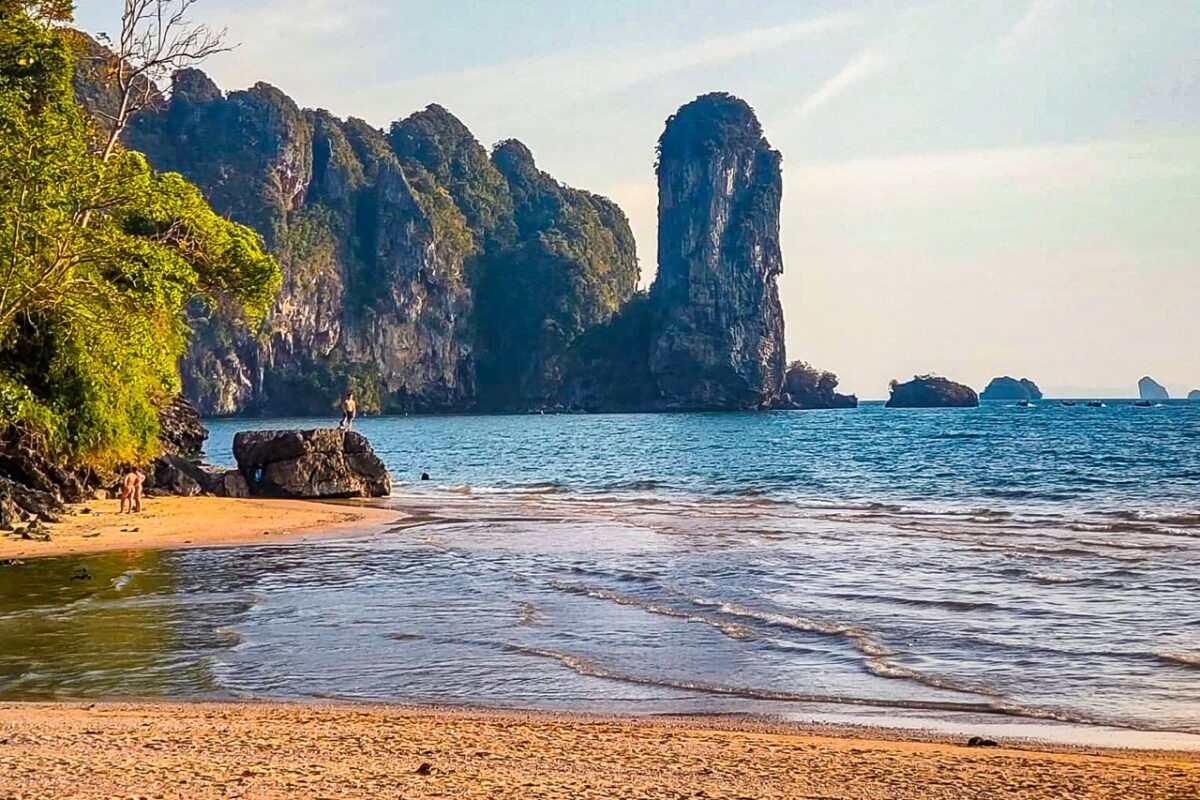
If you’re looking for a quieter beach, follow the Monkey Trail to Pai Plong Beach.
This short walk leads to a smaller, more secluded beach with a much more relaxed atmosphere than Ao Nang, although it can still get busy during the high season.
The trail itself isn’t difficult, but keep an eye on the monkeys along the way.
They often approach visitors and are known for grabbing food or unattended belongings, so it’s best to keep your distance and avoid feeding them.
Afternoon – Railay Beach
From Ao Nang, take a long-tail boat or rent a kayak to reach Railay Beach.
Because Railay is surrounded by towering limestone cliffs, it’s only accessible by sea, making the journey part of the experience.
Spend the afternoon exploring one of Krabi’s most beautiful beaches.
Don’t miss Phra Nang Cave Beach, famous for its dramatic limestone cliffs and the Princess Cave, where local offerings have been left for generations.
Railay is also one of the world’s most famous rock climbing destinations. If you’ve always wanted to try climbing, this is one of the best places to do it.
Guided sessions are available for beginners and include all the necessary equipment, but it’s worth booking in advance, especially during the high season.
→ Related guide: Best Things to Do in Krabi: Beaches, Hikes and Nature Adventures
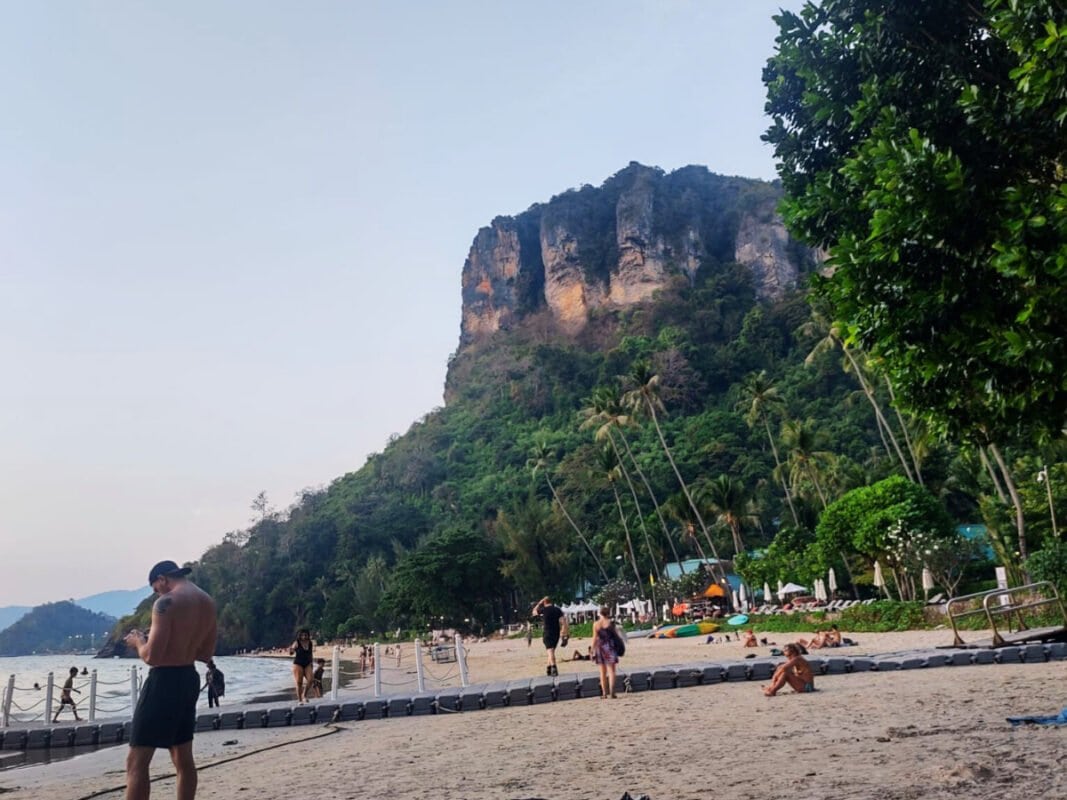
Day 19 – Dragon Crest Hike and Kayaking at Klong Root Canal
Today is one of the most active days of the entire itinerary, combining one of Krabi’s best hikes with a relaxing afternoon on the water.
Morning – Dragon Crest (Ngon Nak Nature Trail)
Start the day early with the Ngon Nak Nature Trail, better known as Dragon Crest Mountain, in Tubkaek National Park.
The trail is around a 30-minute drive from Krabi Town and even closer if you’re staying in Ao Nang.
The hike is approximately 6 km (3.7 miles) return and usually takes 4–5 hours, depending on how often you stop along the way.
Planning to Hike or Explore?
Whether you’re hiking jungle trails or exploring remote beaches, I always recommend travelling with insurance. It’s something you hope never to use, but you’ll be glad to have if something goes wrong.
Although much of the trail is shaded by jungle, don’t underestimate the heat and humidity. Even experienced hikers can find the climb challenging, especially later in the day.
Start as early as possible, carry plenty of water and wear comfortable shoes, as some sections are steep and uneven.
The reward at the summit is one of the best viewpoints in Krabi, overlooking Koh Hong, Koh Yao Noi and the Andaman Sea.
→ Related guide: Jungle Hiking in Southern Thailand
Afternoon – Klong Root Clear Water Canal
After the hike, cool off with a kayaking trip at Klong Root Clear Water Canal.
The water here is incredibly clear, making it one of the most peaceful places to paddle in Krabi. You can often see straight to the bottom, and there are plenty of places to stop for a swim.
Compared with Krabi’s more famous attractions, Klong Root feels much quieter, making it a great place to slow down after a demanding morning.
On the way back, stop at Nong Thale Lake if you have time. Surrounded by dramatic limestone cliffs, it’s a peaceful place to finish the day before returning to your accommodation.
My Tip: Start the Dragon Crest hike as early as you can. Reaching the summit before the hottest part of the day makes the climb much more enjoyable, especially if you’re planning to kayak later in the afternoon.
→ Related guides: Best Time to Visit Krabi: Weather & Crowds by Month
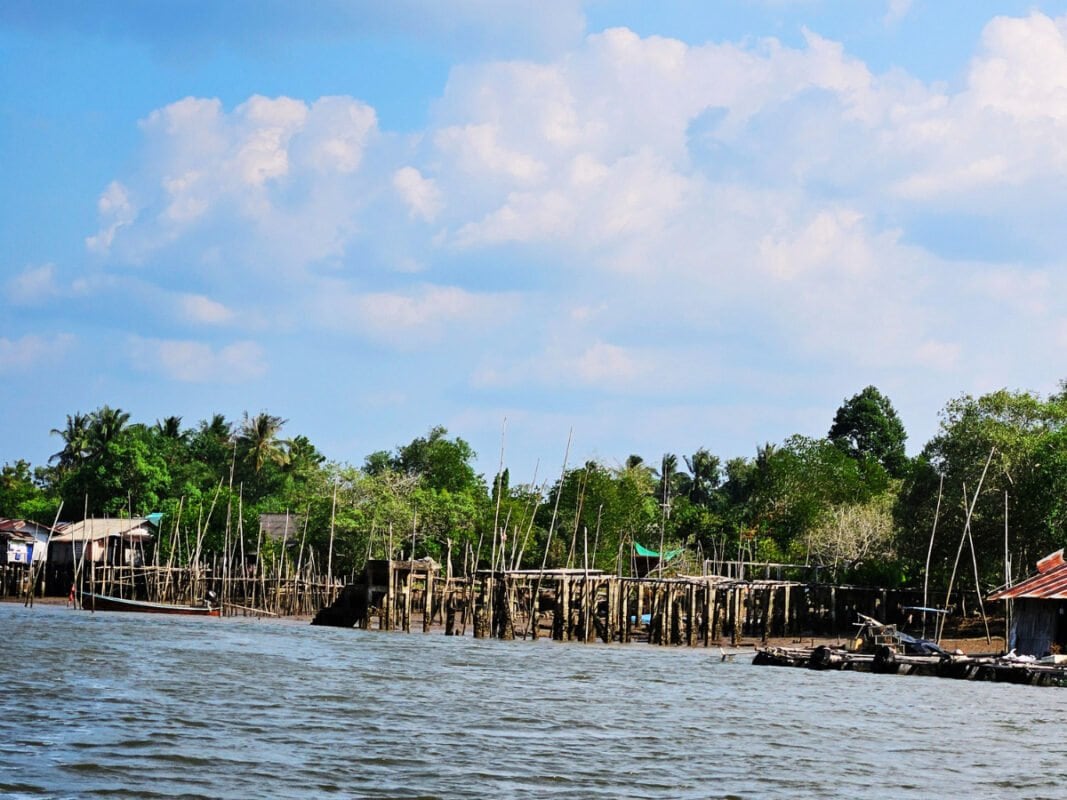
Day 20 – Island Hopping Around Krabi
Even though you’ve finished island hopping along the Andaman Coast, today proves that some of Krabi’s most beautiful beaches are still waiting to be explored.
The islands around Ao Nang are among the most popular day trips in Southern Thailand, and with an early start, it’s easy to understand why.
Full-Day Island Tour
Today we’ll explore Koh Poda, Chicken Island (Koh Gai), Koh Tup, Koh Daeng and Koh Hong, each offering something a little different.
Koh Poda is famous for its soft white sand and crystal-clear water, making it one of the best places to relax or go for a swim.
Nearby, Chicken Island, Koh Tup and Koh Daeng are connected by shallow reefs and sandbars that become visible at low tide, creating one of Krabi’s most iconic island landscapes.
Compare Krabi island hopping tours (routes, prices & availability)
If you want to secure a spot (especially in high season), it’s worth checking availability in advance – some of the best tours sell out quickly.
The highlight of the day is Koh Hong, home to a spectacular emerald lagoon surrounded by towering limestone cliffs.
Don’t miss the viewpoint either, which offers one of the best panoramic views in the area.
I recommend hiring a private long-tail boat if your budget allows. Many organised tours don’t include both Koh Hong and Koh Poda, while a private boat lets you set your own pace and spend more time at the places you enjoy most.
Whichever option you choose, start as early as possible. Visiting the most popular islands before the larger tour boats arrive makes a huge difference to the experience.
Day 21 – Tiger Cave Temple, Emerald Pool, and Klong Thom Nuea Hot Stream Waterfall
For our last day in Southern Thailand, we’ll take a trip to Tiger Cave Temple (Wat Tham Sua) and explore natural hot springs later.
You can join a tour for this, but it’s easy enough to do on your own, if you’re comfortable with a bit of driving.
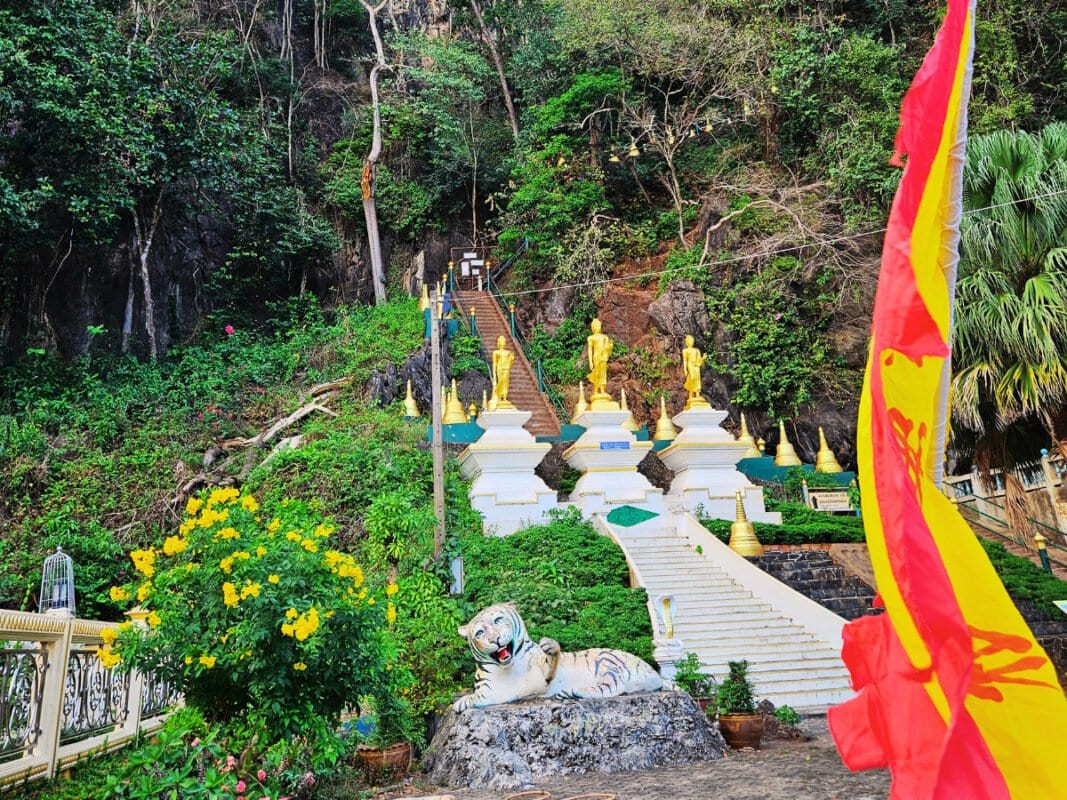
Morning
Our first stop is Tiger Cave Temple, where we’ll tackle the 1,260 steep steps to the top of a mountain.
The climb is no joke, so it’s better to go early in the morning or closer to sunset to avoid the worst midday heat.
Don’t forget that the temple complex has more to explore than just the climb.
There’s a jungle path leading to a small cave where monks live, with shrines and statues scattered along the way.
You will also see a lot of interesting architecture and few places to eat there.

Afternoon
After visiting the temple, we’ll drive south to the Emerald Pool in Khao Phra Bang Khram Nature Reserve.
- There’s a short walk from the entrance to the pool, but it’s nothing too strenuous.
- The pool itself is big and deep, perfect for a swim in its clear, emerald-green water (but be careful as it can get slippery).
- If you’re up for more, a short hike will take you to the Blue Pool, another stunning spot nearby.
You can’t swim here, but the vibrant, crystal-clear water is beautiful to look at and a great place to soak in the natural beauty of the area.
On the way back, we’ll stop at the Klong Thom Nuea Hot Stream Waterfall.
- This spot has natural hot springs where you can relax and soak in the warm, mineral-rich water.
It’s the perfect way to end the day—and our adventure in Southern Thailand!
Evening Activities in Krabi
While Ao Nang is lively and touristy with its bars and restaurants, Krabi Town offers a more local vibe.
- There are plenty of bars and restaurants to explore.
- If you’re visiting over the weekend, don’t miss the Weekend Night Market.
- The market is known not only for its delicious street food, but also a stage with live performances.
Frequently Asked Questions About This 3-Week Southern Thailand Itinerary
Is 3 Weeks Enough for Southern Thailand?
Yes. Three weeks is enough to explore several islands without feeling like you’re constantly moving. This itinerary gives you time to enjoy each destination while still experiencing beaches, hiking, snorkelling, kayaking and local culture.
Do I Need to Book Ferries in Advance?
Not usually. I booked most of my ferries one day in advance, which gave me plenty of flexibility while still securing a seat. During the busiest months, I’d avoid leaving it until the same day.
Can I Follow This Itinerary Without Renting a Scooter?
Yes. Koh Lipe, Koh Mook and central Koh Phi Phi are all easy to explore on foot. On Koh Lanta and around Krabi, you can use Grab, taxis, tuk-tuks or organised tours if you don’t want to rent a scooter.
Can I Start This Itinerary in Langkawi?
Absolutely. That’s actually how I started my own trip. When the direct ferry is operating, Langkawi is one of the easiest and most convenient ways to reach Koh Lipe before travelling north along the Andaman Coast.
Can I Do This Itinerary in Reverse?
Yes. You can just as easily start in Krabi and travel south towards Koh Lipe. I prefer beginning in Koh Lipe because it gets the longest journey out of the way first, making every transfer afterwards a little shorter and simpler.
Do I Need to Carry Cash?
I recommend carrying some cash throughout the trip. Every island on this itinerary has at least one ATM, but taxi boats, small restaurants and local businesses may only accept cash, especially away from the main tourist areas.
Can I Bring a Suitcase on This Route?
Yes. I travelled with a small backpack and a suitcase, and it wasn’t a problem. Ferry operators are used to handling luggage, so you don’t need to switch to a backpack unless you prefer travelling that way.
How Much Does 3 Weeks in Southern Thailand Cost?
The total cost depends on your travel style, but I tracked every expense during my trip.
For a full breakdown of accommodation, transport, food and activities, check out my guide to the cost of travelling around Southern Thailand.
Tips for Planning Your Itinerary
| Category | Planning Tips |
|---|---|
| Best Time to Visit | This itinerary works best during the Andaman Coast ferry season, when sea conditions are calmer and direct island connections are operating. Outside this period, some routes may require mainland transfers or itinerary changes. |
| Getting Around | Use ferries and speedboats between islands. On larger islands like Koh Lanta and the Krabi mainland, renting a scooter or using Grab and local taxis gives you the most flexibility. |
| Book Ahead | Accommodation on smaller islands, especially Koh Lipe, can sell out well before the high season. If you’re travelling during busy months, it’s worth booking your hotels and major tours in advance. |
| Stay Flexible | Weather, sea conditions and ferry schedules can occasionally change. Leaving a little flexibility in your plans makes the whole trip much less stressful. If you’re travelling during the shoulder season or monsoon, it’s worth checking the Thai Meteorological Department forecast before booking longer boat. |
When you are ready to book, use my recommended travel tools to compare places to stay, transport and tours.
My Trip Essentials – Everything You Need Before You Go:
To avoid crowds and get the best experience on the island, it’s worth booking a few key things in advance:
Continue Planning Your Trip
To get ready for your adventure, check out my posts about safety in Thailand and packing essentials for your trip.
And if you’re still deciding where to go or want more detailed destination guides, these articles will help you plan each stop in more detail.
Island Comparisons
- Koh Lipe vs. Koh Mook vs. Koh Lanta vs. Koh Phi Phi
- Koh Lanta vs. Koh Lipe
- Koh Lipe vs. Koh Mook
- Koh Phi Phi vs. Koh Lipe
Popular Itineraries
- How to Spend 7 Days in Krabi, Thailand: The Ultimate Adventure Itinerary
- 3 Days in Krabi: A Realistic First-Timer Itinerary
- Unforgettable 4 Days on Koh Phi Phi, Thailand – Detailed Itinerary
- Explore Koh Lanta in One Day: 24-hours Itinerary filled with Nature and Culture
- Epic 5-Day Koh Lanta Itinerary: Your Ultimate Adventure Guide
- How Many days on Koh Lipe? Complete 5 days Itinerary
